


 Podgląd w skali
 Wyślij jako kartkę
 Udostępnij
 Szczegóły dzieła

 Pobierz
 Podobne obiekty
 RTG
RTG Pokaz slajdów
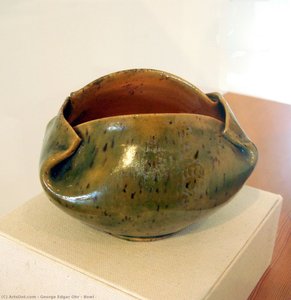
Emu beaker


 Rozwiń treść
Ręcznie malowana reprodukcja olejowa
Ręcznie malowany obraz olejny na płótnie, wykonany na zamówienie przez naszych artystów w wybranym przez Ciebie wymiarze i oprawie. ( Zamów wydruk Kup obraz wysokiej rozdzielczości)




































Wybierz spośród naszych standardowych rozmiarów, które zachowują oryginalne proporcje dzieła sztuki.

Możesz wprowadzić własne wymiary, aby dopasować obraz do konkretnej ramy lub przestrzeni. Jeśli wybrany rozmiar nie będzie odpowiadał proporcjom oryginału, przytniecie dzieło sztuki lub rozszerzymy je o dodatkowe elementy, ręcznie domalowane przez artystę. Przed rozpoczęciem produkcji wyślemy projekt cyfrowy do Twojej akceptacji.
Należy pamiętać, że podgląd na ekranie nie odzwierciedla rzeczywistego przycinania ani rozszerzania obrazu. Tylko projekt dokładnie pokaże ostateczną kompozycję.
Choć oferujemy możliwość zamówienia niestandardowych rozmiarów, zalecamy wybór wymiaru z gotowej listy, aby zachować oryginalne proporcje dzieła.
Po złożeniu zamówienia zespół AllPaintingsStore.com skontaktuje się z klientem drogą mailową w celu uzyskania instrukcji i prześle wizualizację projektu
Dostawa na całym świecie () w ciągu 3–4 tygodni zamiast standardowych 5 tygodni. (16 Sierpień). Bez kompromisów w kwestii jakości.

Bezpłatna ekspresowa wysyłka na cały świat

Wysokiej jakości płótno lniane

Pełne ubezpieczenie przesyłki

Gwarancja zwrotu należności celnych i podatków importowych

Gwarancja wiernego odwzorowania kolorów

Polityka 60-dniowego zwrotu (tylko w przypadku wad)

Gwarancja 100% zwrotu kosztów

Zniżka przy zamówieniu wielu produktów
 Opcja ze szkłem jest dostępna wyłącznie w rozmiarach poniżej 110 cm

Emu beaker
Technika reprodukcji
Wymiary reprodukcji
-


Cena całkowita
$ 258
Podobne dzieła



O artyście
A Foundation in the Australian Soil
In the sun-drenched landscapes of South Australia, where the legacy of viticulture and agriculture runs deep, Gladys Reynell emerged as a transformative force in the history of Australian ceramics. Born in 1881 in Glenelg, her early life was inextricably linked to the rich, productive earth of her family’s estate. As the granddaughter of John Reynell, the pioneer of South Australia's first commercial winery, and the daughter of the prominent land agent Walter Reynell, her very identity was rooted in the soil. This connection to the land would later manifest not in agriculture, but in a profound, tactile exploration of the continent's natural materials. While her initial academic pursuits led her toward the clinical precision of medicine at the University of Adelaide, the call of the aesthetic proved irresistible. Reynell ultimately abandoned the medical path to embrace the visceral, creative possibilities of art, seeking a medium that could bridge the gap between the raw earth and human expression.The Modernist Revolution in Clay
As the twentieth century unfolded, Reynell became a vital architect of Australian Modernism. Her artistic evolution was significantly shaped by her encounter with the formidable Margaret Preston, whose influence helped steer Reynell away from the suffocatingly ornate European decorative traditions that dominated the era. Instead of seeking beauty in delicate, imported flourishes, Reynell looked inward toward the rugged essence of her homeland. She embraced a bold, modernist aesthetic characterized by geometric forms and abstract patterns, stripping away unnecessary embellishment to reveal the structural integrity of her vessels. This stylistic shift was more than a mere trend; it was a deliberate rebellion against colonial aesthetics. By prioritizing rhythm, shape, and texture, she helped forge a visual language that felt authentically Australian, one that resonated with the burgeoning spirit of a nation finding its own artistic voice.Materiality and the Spirit of the Land
Perhaps the most enduring aspect of Reynell’s legacy lies in her unwavering commitment to the use of native materials. She possessed an intuitive understanding of the aesthetic potential held within local minerals, famously sourcing clays directly from Kangaroo Island. This choice was a profound symbolic gesture, an act of honoring the Australian landscape through the very substance of her work. Her technique often involved slipware and relief carving, methods that allowed her to imbue each piece with a sense of primordial strength. One of her most celebrated achievements, the Emu Beaker of 1917, stands as a testament to this vision; through its stylized carvings, it draws inspiration from Aboriginal motifs, blending modernist abstraction with a deep respect for indigenous artistic traditions. Through her hands, the raw, unadorned clay was transformed into a medium of cultural significance, ensuring that her work remains a cornerstone of South Australian ceramic heritage.
Gladys Reynell
1881 - 1956 , Australia
Krótka nota
- Artistic Movement Or Style: Modernist Pottery
- Date Of Birth: 1881
- Date Of Death: 1956
- Full Name: Gladys Reynell
- Nationality: Australian
- Notable Artworks:
- Emu Beaker
- Triple Portrait of Sir Henry Irving
- Place Of Birth: Adelaide, Australia
Powiązane artykuły

The Alchemy of Clay: A Collector's Guide to the Mastery, Texture, and Timeless Form of Ceramic Art
Discover the profound beauty of ceramic art. Our expert guide explores the alchemy of clay, texture, and glaze, offering collectors deep insights into mastering earth and fire to create timeless, sculptural masterpieces for any curated collection.

The Art of Ceramics: A Guide to Mastery, Texture, and Timeless Form for the Discerning Collector
Explore the profound elegance of ceramic art. From master glazes to sculptural forms, our expert guide offers discerning collectors deep insights into the mastery, texture, and timeless value of fine ceramics for sophisticated collections and luxury interiors.



