Gwarancja zwrotu pieniędzy · 100 dni Darmowa dostawa na cały świat
449 582dzieła sztuki 30 616artyści 4 660muzea 32języki
Waluta
    Język
      Atelier · Est. 2015 · Paryż, Francja
      AllPaintingsStore
      allpaintingsstore.com
      Zobacz w skali 1:1 Zobacz w AR Przełącz na wersję drukowaną Przełącz na wersję cyfrową Wyślij
      Szczegóły Przewodnik Dodaj do ulubionych Pobierz plik obrazu Podobne obiekty RTG Pokaz slajdów Statystyki

      Phaeton

      Wspaniały obraz Gustave Moreau'a – "Phaeton". Symbolistyczna wizja mitu o Phaetonie, pełna dramatyzmu i symboliki. Odkryj bogactwo detali i emocji w tym arcydzieło!

      Poznaj Gustave Moreau – francuskiego mistrza Symbolizmu! Jego dzieła fascynują bogactwem kolorów i głęboką symboliką. Odkryj jego niezwykły świat sztuki XIX wieku!

      Ręcznie malowana reprodukcja olejowa

      Ręcznie malowany obraz olejny na płótnie, wykonany na zamówienie przez naszych artystów w wybranym przez Ciebie wymiarze i oprawie. ( Przełącz na wersję drukowaną Przełącz na wersję cyfrową)

      Corner sample of the P118B picture frame: polistyren formowany, 5 cm wide and 3 cm thick
      P118B 10
      Corner sample of the P118H picture frame: polistyren formowany, 5 cm wide and 3 cm thick
      P118H 10
      Corner sample of the P118W picture frame: polistyren formowany, 5 cm wide and 3 cm thick
      P118W 10
      Corner sample of the P438Z picture frame: polistyren formowany, 5.5 cm wide and 3.5 cm thick
      P438Z 10
      Corner sample of the P508JH picture frame: polistyren formowany, 7 cm wide and 3.5 cm thick
      P508JH 12
      Corner sample of the P508YH picture frame: polistyren formowany, 7 cm wide and 3.5 cm thick
      P508YH 12
      Corner sample of the P805H picture frame: polistyren formowany, 5 cm wide and 3.5 cm thick
      P805H 10
      Corner sample of the P805Z picture frame: polistyren formowany, 5 cm wide and 3.5 cm thick
      P805Z 10
      Corner sample of the P919BZ picture frame: polistyren formowany, 7 cm wide and 3.5 cm thick
      P919BZ 10
      Corner sample of the P919G picture frame: polistyren formowany, 7 cm wide and 3.5 cm thick
      P919G 10
      Corner sample of the P919XJ picture frame: polistyren formowany, 7 cm wide and 3.5 cm thick
      P919XJ 10
      Corner sample of the P959ZH picture frame: polistyren formowany, 5 cm wide and 3 cm thick
      P959ZH 10
      Corner sample of the P968JZ picture frame: polistyren formowany, 6 cm wide and 4 cm thick
      P968JZ 12
      Corner sample of the W106C picture frame: lite drewno, 5 cm wide and 3 cm thick
      W106C 8
      Corner sample of the W218G picture frame: lite drewno, 5 cm wide and 3 cm thick
      W218G 10
      Corner sample of the W218JH picture frame: lite drewno, 5 cm wide and 3 cm thick
      W218JH 8
      Corner sample of the W218Y picture frame: lite drewno, 5 cm wide and 3 cm thick
      W218Y 10
      Corner sample of the W307PJ picture frame: lite drewno, 6 cm wide and 3 cm thick
      W307PJ 10
      Corner sample of the W316G picture frame: lite drewno, 6 cm wide and 3 cm thick
      W316G 10
      Corner sample of the W316PJ picture frame: lite drewno, 6 cm wide and 3 cm thick
      W316PJ 8
      Corner sample of the W316Y picture frame: lite drewno, 6 cm wide and 3 cm thick
      W316Y 10
      Corner sample of the W398PJ picture frame: lite drewno, 5 cm wide and 3 cm thick
      W398PJ 8
      Corner sample of the W4111J picture frame: lite drewno, 6.5 cm wide and 3.5 cm thick
      W4111J 10
      Corner sample of the W500HY picture frame: lite drewno, 7 cm wide and 5 cm thick
      W500HY 15
      Corner sample of the W500JH picture frame: lite drewno, 7 cm wide and 5 cm thick
      W500JH 15
      Corner sample of the W692G picture frame: lite drewno, 8 cm wide and 4 cm thick
      W692G 12
      Corner sample of the W849H picture frame: lite drewno, 5 cm wide and 3 cm thick
      W849H 8
      Corner sample of the W940BG picture frame: lite drewno, 7.5 cm wide and 4.5 cm thick
      W940BG 15
      Corner sample of the W953PJ picture frame: lite drewno, 6 cm wide and 3.5 cm thick
      W953PJ 8

      Standardowy
      na zamówienie
      CM
      INCH

      Wybierz spośród naszych standardowych rozmiarów, które zachowują oryginalne proporcje dzieła sztuki.

      szerokość
      wysokość

      Wpisz wymaganą szerokość i wysokość, aby obraz pasował do Twojej ramy lub ściany. Ponieważ jest to dzieło malowane ręcznie, w przypadku rozmiaru o innym proporcji artysta może domalować nieco więcej wokół obrazu lub przyciąć fragmenty — wybór należy do Ciebie. Przed rozpoczęciem pracy prześlemy Ci cyfrową wizualizację do zatwierdzenia. Obraz widoczny na tej stronie nie przedstawia rzeczywistego efektu — jedynie wizualizacja oddaje realny rezultat.

      Przykłady możliwych zmian: Zamień twarz na zdjęcie klienta; Dodaj zwierzę domowe (np. zamień kota na psa); Ukryj wiadomość w tle; Zmień krajobraz lub elementy tła.
      Po złożeniu zamówienia zespół AllPaintingsStore.com skontaktuje się z klientem drogą mailową w celu uzyskania instrukcji i prześle wizualizację projektu

      Dostawa na całym świecie () w ciągu 3–4 tygodni zamiast standardowych 5 tygodni. (22 Październik). Bez kompromisów w kwestii jakości.

      Bezpłatna ekspresowa wysyłka na cały świat
      Wysokiej jakości płótno lniane
      Pełne ubezpieczenie transportowe
      Gwarancja zwrotu należności celnych i podatków importowych
      Gwarancja idealnego odwzorowania barw
      100-dniowy okres na zwrot dzieła w przypadku wykrycia wad produkcyjnych
      Gwarancja 100% zwrotu pieniędzy
      Oferta przy zakupie wielu sztuk

      Cena całkowita

      zł 1075

      Phaeton

      Technika wykonania

      Rozmiar reprodukcji

      -

      Suma do zapłaty

      zł 1075

      Kluczowe informacje

      • Subject or theme: Mit o Phaetonie
      • Location: Louvre, Paryż
      • Dimensions: 99 x 65 cm
      • Year: 1878
      • Influences: Ovidiusz
      • Movement: Symbolizm

      Quiz wiedzy o sztuce

      Do każdego pytania dotyczy tylko jedna poprawna odpowiedź.

      Pytanie 1:
      Jaki ruch artystyczny charakteryzuje obraz Gustave Moreau’a "Phaeton"?
      Pytanie 2:
      W którym roku powstał obraz Gustave Moreau’a "Phaeton"?
      Pytanie 3:
      Jakie motywy dominują w obrazie "Phaeton"?
      Pytanie 4:
      Który z poniższych elementów jest charakterystyczny dla stylu Gustave Moreau’a?
      Pytanie 5:
      Gdzie można obejrzeć obraz "Phaeton"?

      Gustave Moreau’s *Phaeton*: A Symphony of Myth and Human Ambition

      The world of Gustave Moreau is one steeped in dreamlike beauty, a realm where mythology intertwines with the deepest recesses of the human psyche. His painting *Phaethon*, completed in 1878, stands as a particularly potent example of his Symbolist vision – a work that transcends mere illustration and plunges directly into the heart of a timeless narrative of hubris and its devastating consequences. Currently residing within the hallowed halls of the Musée du Louvre in Paris, *Phaethon* invites viewers not simply to observe, but to experience a dramatic tableau of chaos, emotion, and profound symbolism.

      Moreau’s choice to depict this pivotal moment from Greek mythology – Phaeton's reckless attempt to drive his father Helios’ chariot across the heavens – is far from arbitrary. It’s a deliberate exploration of the dangers inherent in unchecked ambition, a cautionary tale rendered with breathtaking intensity and meticulous detail. The scene isn’t one of triumphant glory; instead, we witness a struggle against overwhelming forces, a desperate battle for control amidst swirling water and an ominous, celestial light. Phaeton himself, a central figure radiating both determination and palpable desperation, is locked in a fierce contest with two magnificent horses, their energy barely contained – a visual representation of the untamed power he seeks to command.

      A Masterclass in Symbolist Technique

      To fully appreciate *Phaethon*, one must recognize Moreau’s distinctive and highly developed artistic style. He was a master of blending academic precision with a distinctly modern sensibility, creating a visual language that is both captivatingly beautiful and subtly unsettling. The painting is characterized by an extraordinary richness of color – deep blues and purples dominate the sky, contrasted sharply with the fiery oranges and reds of the chariot’s flames. Moreau employs a dramatic use of chiaroscuro, skillfully manipulating light and shadow to heighten the sense of drama and create a palpable atmosphere of tension. His technique is meticulously detailed; every brushstroke contributes to the overall effect, layering textures and creating an illusion of depth that draws the viewer into the scene.

      The artist’s meticulous attention to detail extends beyond mere representation. Moreau deliberately incorporates architectural elements – imposing columns and arches – which serve not only as structural supports but also as symbolic anchors, grounding the chaotic narrative within a framework of classical grandeur. These elements subtly reinforce the themes of power, authority, and the inevitable fall from grace.

      Decoding Layers of Meaning

      Moreau was renowned for imbuing his works with complex symbolism, often drawing upon mythology, religion, and personal experience. In *Phaethon*, each element carries significant weight. The chariot itself represents power and control – but also the inherent dangers of unchecked ambition. The wild horses symbolize untamed forces, while the surrounding figures—awe-struck, fearful, or perhaps even foreboding—reflect the human reaction to such overwhelming power. Notably, a lone bird circles above, seemingly witnessing the impending disaster, acting as an impartial observer and a symbol of fate.

      The inclusion of a figure reminiscent of Christ – positioned centrally within the composition – adds another layer of interpretation. This suggests that Phaethon’s downfall represents not just personal failure but also a broader allegory for humanity's struggle against temptation and the consequences of straying from divine guidance. The painting, therefore, becomes a meditation on morality, ambition, and the enduring power of fate.

      A Legacy of Dreamlike Vision

      Gustave Moreau’s *Phaethon* remains a cornerstone of Symbolist art, demonstrating his unique ability to transform classical mythology into deeply personal and emotionally resonant works. It is a painting that demands contemplation, inviting viewers to lose themselves in its dreamlike atmosphere and grapple with its profound themes. More than just a depiction of a mythic event, *Phaethon* offers a timeless reflection on the human condition – a poignant reminder of the seductive allure of power and the inevitable price of hubris. Reproductions of this masterpiece capture only a fraction of its original impact, but they serve as a beautiful gateway to understanding one of the most significant figures in Symbolist art.

      Pytania i odpowiedzi

      Jak intensywne są kolory dzieła "Phaeton"?

      Kolory dzieła „Phaeton” autorstwa Gustaw Moreau wykazują Zrównoważona łagodność nasycenie przy Zrównoważony intensywności.

      Jaki rozmiar i orientacja są zalecane dla wydruku dzieła „Phaeton” autorstwa Gustaw Moreau?

      Zalecany rozmiar wydruku dzieła „Phaeton” autorstwa Gustaw Moreau to Duży format w orientacji Portret.

      Jaki nastrój wprowadzi Phaeton do wnętrza?

      Phaeton” autorstwa Gustaw Moreau ma Mistyczny atmosferę i jest polecane do Salon lub strefa dzienna. Nastrój to to, co dzieło wnosi do otaczającej je przestrzeni.


      Biografia artysty

      A Dream Weaver of Symbolism: The Life and Art of Gustave Moreau

      Gustave Moreau, a name inextricably linked to the ethereal beauty and profound mysteries of Symbolist painting, emerged from 19th-century Paris as an artist utterly distinct in his vision. Born in 1826 into a comfortable bourgeois family—his father an architect and archivist—Moreau’s early life was steeped in intellectual curiosity and a deep appreciation for aesthetics. From a remarkably young age, he displayed a prodigious talent for drawing, nurtured through the rigorous training of the École des Beaux-Arts under esteemed figures like François-Édouard Picot. However, Moreau's artistic trajectory swiftly diverged from the prevailing Realist and Impressionist currents dominating his time. He wasn’t driven by a desire to capture fleeting moments or represent objective reality; instead, he sought to unlock the hidden realms of myth, religion, and the intricate workings of the human psyche through a deeply personal and symbolic visual language. His artistic journey became an inward exploration, translating subjective emotions and spiritual yearnings onto canvas with meticulous detail and a palette often rich in vibrant, almost opulent hues.

      The Forge of Imagination: Influences and Artistic Development

      Moreau’s artistic development wasn't forged in isolation. While rejecting the dominant trends of his era, he drew inspiration from a remarkably diverse range of sources. The dramatic use of color and exotic subject matter found in the works of Eugène Delacroix ignited within him a passionate interest in narrative painting imbued with intense emotionality. He held Renaissance masters—Michelangelo and Leonardo da Vinci, in particular—in the highest esteem, deeply admiring their mastery of composition, anatomical precision, and their remarkable ability to penetrate the complexities of human psychology. Yet, Moreau wasn’t merely imitating these giants; he was synthesizing their influences into something entirely new, a distinctly personal style. His pivotal journey to Italy during the 1850s proved transformative, immersing him in the art of antiquity and the Renaissance. This experience provided an unparalleled wealth of motifs and stylistic cues that would subsequently populate his future works. He meticulously copied Old Master paintings—not as mere reproductions, but as a means of absorbing their techniques and unlocking their secrets—carefully studying brushstrokes, color palettes, and compositional strategies. This dedication to craft, combined with his burgeoning fascination with mythology and literature, formed the bedrock of his unique artistic vision.

      A World of Symbols: Themes and Techniques

      Moreau’s paintings are not simply illustrations of myths or biblical stories; they are complex allegories designed to provoke contemplation and interpretation. He didn't aim to retell these narratives literally but rather to explore their underlying psychological and spiritual truths. His canvases are populated with a rich tapestry of symbolic imagery—serpents representing temptation, jewels signifying earthly desires, and figures embodying abstract concepts such as grief, loss, or redemption. He masterfully created an atmosphere of dreaminess through intricate detail, shimmering textures, and often unsettling juxtapositions of light and shadow. Moreau’s technique was characterized by a painstaking layering of paint—a deliberate process that resulted in surfaces brimming with iridescent colors and evoking a sense of otherworldly beauty. His skillful use of gold leaf further enhanced this effect, lending his works a Byzantine quality that underscored their spiritual dimension. He prioritized the expressive power of color and form over strict adherence to realistic representation, focusing on conveying mood and meaning rather than photographic accuracy.

      Notable Works and Legacy

      Throughout his career, Moreau produced an astonishing body of work, including iconic paintings such as *Salomé tańcząca przed Herodem* (Salome Dancing before Herod), *Jupiter i Semele*, *Orfeusz*, *Widzenie*, and *Święta Elżbieta z Anglii lub Cud róż*. These works demonstrate his extraordinary skill in depicting mythological scenes, biblical narratives, and allegorical themes. Moreau’s influence extended far beyond the Symbolist movement itself. He mentored numerous artists at the École des Beaux-Arts, encouraging them to embrace imagination, symbolism, and individual expression—a radical departure from the prevailing academic norms of the time. Though initially met with mixed reactions, Moreau's work gained recognition in the late 19th and early 20th centuries, solidifying his place as a pivotal figure in modern art. Today, the Musée Gustave Moreau in Paris stands as a testament to his enduring legacy—a sanctuary where visitors can immerse themselves in the captivating world of this extraordinary artist, experiencing firsthand the power and beauty of his symbolic vision.

      Key Characteristics

      • Symbolic Imagery: Moreau’s paintings are replete with symbols representing complex ideas and emotions.
      • Dreamlike Atmosphere: He skillfully created an ethereal and otherworldly atmosphere through meticulous detail and color manipulation.
      • Rich Palette: His use of vibrant, often opulent colors contributed to the overall sense of mystery and beauty.
      • Influence of Renaissance Masters: Moreau drew inspiration from the techniques and philosophies of Michelangelo and Leonardo da Vinci.
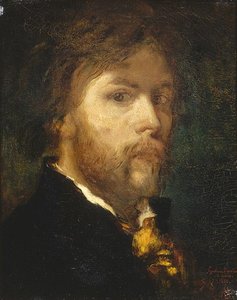
      Gustaw Moreau

      Gustaw Moreau

      1826 - 1898 , Francja

      Najważniejsze informacje

      • Artistic Movement Or Style: Symbolizm
      • Artists Or Movements Influenced By This Artist:
        • Matisse
        • Rouault
      • Artists Who Influenced This Artist:
        • Delacroix
        • Michelangelo
      • Date Of Birth: 6 kwietnia 1826
      • Date Of Death: 18 kwietnia 1898
      • Full Name: Gustave Moreau
      • Nationality: Francuz
      • Notable Artworks:
        • Salome tańcząca
        • Prometeusz
        • Święta Elżbieta
      • Place Of Birth: Paryż, Francja
      Odkryj dzieła sztuki uporządkowane według tematów, stylów i cech charakterystycznych.