


 Podgląd w skali 1:1
 Wyślij jako kartkę
 Udostępnij
 Szczegóły dzieła
 Przewodnik

 Pobierz obraz
 Podobne obiekty
 RTG
RTG Pokaz slajdów
 Q&A
Q&A Statystyki
untitled (5500)

 Rozwiń treść
Giclée / Wydruk artystyczny
Wydruki giclée lub płótna o jakości muzealnej, szybka realizacja i szeroki wybór opcji wykończenia. ( Zamów ręcznie malowaną reprodukcję Przejdź do wersji cyfrowej)




P118B zł10

P118H zł10

P118W zł10

P438Z zł10

P508JH zł12

P508YH zł12

P805H zł10

P805Z zł10

P919BZ zł10

P919G zł10

P919XJ zł10

P959ZH zł10

P968JZ zł12

W106C zł8

W218G zł10

W218JH zł8

W218Y zł10

W307PJ zł10

W316G zł10

W316PJ zł8

W316Y zł10

W398PJ zł8

W4111J zł10

W500HY zł15

W500JH zł15

W692G zł12

W849H zł8

W940BG zł15

W953PJ zł8




Wybierz spośród naszych standardowych rozmiarów, które zachowują oryginalne proporcje dzieła sztuki.

Wpisz wymaganą szerokość i wysokość, aby dopasować grafikę do ramy lub ściany. Wydruk można jedynie przyciąć, nigdy nie powiększając go poza oryginalny obraz, dlatego format o innych proporcjach spowoduje utratę części kompozycji. Przed rozpoczęciem druku prześlemy Ci cyfrowy podgląd do zatwierdzenia. Obraz wyświetlany na tej stronie nie pokazuje rzeczywistego przycięcia — jedynie podgląd oddaje ten efekt.
Dostawa na cały świat () w ciągu 2 tygodni zamiast standardowych 4/5 tygodni. (30 Październik)

Bezpłatna ekspresowa wysyłka na cały świat

Wysokiej jakości płótno lniane

Pełne ubezpieczenie przesyłki

Gwarancja zwrotu należności celnych i podatków importowych

Gwarancja wiernego odwzorowania kolorów

100-dniowa polityka zwrotów (tylko w przypadku wad)

Gwarancja 100% zwrotu pieniędzy

Zniżka przy zakupie wielu sztuk
 Opcja ze szkłem jest dostępna wyłącznie w rozmiarach poniżej 110 cm

untitled (5500)
Giclée / Wydruk artystyczny
Wymiary reprodukcji
-


Cena całkowita
zł 249
A Window into Tudor Intrigue: Hans Holbein’s “Untitled (5500)”
Hans Holbein the Younger's "Untitled (5500)" is not merely a group portrait; it’s a meticulously crafted tableau of power, faith, and subtle symbolism—a frozen moment within the opulent world of 16th-century England. This remarkable painting, depicting Jesus surrounded by his disciples at a shared meal, transcends simple representation to offer a profound glimpse into the political and religious currents of its time. The sheer scale of the composition – an unknown size but undoubtedly commanding – immediately draws the viewer in, inviting them to become part of this intimate scene. Holbein’s mastery is evident not just in his astonishingly realistic depiction of each figure, but also in the way he uses light and shadow to create a palpable sense of depth and atmosphere, reminiscent of the masterful works of Jan van Eyck.
The painting unfolds around a richly appointed dining table, laden with bowls, knives, and various instruments of learning – a deliberate arrangement that speaks volumes about the intellectual climate of the Tudor court. Three bowls are strategically placed, hinting at shared sustenance and fellowship, while the knife suggests both practicality and perhaps, a subtle undercurrent of tension. The figures themselves are rendered with an almost unsettling level of detail; each face is etched with individual character, reflecting not just likeness but also personality and status. The seated disciples, ranging from the youthful to the seasoned, embody a diverse group united by their devotion to Jesus. Notably, Jesus himself is positioned at the head of the table, asserting his central role within this community.
Renaissance Realism and Psychological Depth
Holbein’s artistic genius lies in his ability to capture not just outward appearances but also the inner lives of his subjects. This painting exemplifies his signature style – a blend of meticulous observation and psychological insight. He was renowned for his portraits, particularly those commissioned by Henry VIII and Anne Boleyn, and this work demonstrates his skill at conveying character through subtle gestures, expressions, and clothing choices. The use of oil paints allowed him to achieve an unprecedented level of detail and luminosity, capturing the textures of fabrics, the sheen of metal, and the nuances of skin tones with remarkable accuracy.
The technical brilliance is further enhanced by Holbein’s innovative approach to perspective and composition. He masterfully employs atmospheric perspective – creating a sense of distance through variations in color and detail – to draw the viewer's eye into the scene. The arrangement of figures around the table, with Jesus at its center, establishes a clear hierarchy while simultaneously fostering a feeling of intimacy and shared experience. It’s a carefully orchestrated visual narrative that invites contemplation.
Symbolism and Historical Context
Beyond its aesthetic qualities, “Untitled (5500)” is rich in symbolic meaning. The inclusion of scientific instruments – globes, sundials, and quadrants – reflects the burgeoning interest in astronomy and navigation during the Renaissance, a period marked by both exploration and intellectual curiosity. The reference to Rome through the Cosmati pavement pattern, likely incorporated as a gift for Anne Boleyn, subtly alludes to the political tensions between England and the Papal States. The lute with its broken string is a potent symbol of discord, perhaps representing the religious divisions that were fracturing Europe at the time.
The presence of Martin Luther’s hymnbook, open on facing pages referencing Law and Grace, adds another layer of complexity to the painting's interpretation. It suggests a dialogue between faith and reason, tradition and reform – themes that were central to the Protestant Reformation. Even the seemingly simple act of sharing a meal becomes imbued with significance, representing not just sustenance but also fellowship, community, and spiritual nourishment.
A Timeless Masterpiece: Reproduction Possibilities
AllPaintingsStore offers meticulously crafted hand-painted reproductions of Hans Holbein’s “Untitled (5500),” allowing you to bring this extraordinary artwork into your home or office. Our skilled artisans replicate Holbein's intricate details, vibrant colors, and atmospheric depth with unparalleled precision. Whether you are an art collector, a design enthusiast, or simply someone who appreciates the beauty of Renaissance art, our reproduction provides a stunning and authentic representation of this iconic masterpiece. Explore the available sizes and canvas options to find the perfect way to experience the power and allure of “Untitled (5500).”
Pytania i odpowiedzi
Czy „untitled (5500)” – Hans Holbein Młodszy to jasne czy ciemne dzieło?
Postrzegana jasność dzieła „untitled (5500)” – Hans Holbein Młodszy wynosi balanced. Można ją dopasować do oświetlenia w docelowym pomieszczeniu.
Któremu artyście przypisuje się "untitled (5500)"?
„untitled (5500)” zostało stworzone przez Hans Holbein Młodszy. Informacje na tej stronie dotyczą oryginalnego dzieła autorstwa Hans Holbein Młodszy.
Gdzie można kupić ręcznie malowane reprodukcje dzieła „untitled (5500)” – Hans Holbein Młodszy?
Ręcznie malowaną reprodukcję dzieła „untitled (5500)” – Hans Holbein Młodszy można zamówić bezpośrednio na stronie Ręcznie malowana reprodukcja: ręcznie malowana reprodukcja olejowa na płótnie lnianym, tworzoną na specjalne zamówienie.
Podobne dzieła


Biografia artysty
Życie wykute w detalu: Świat Hansa Holbeina Młodszego
Urodzony około 1497 roku w tętniącym życiem artystycznym ośrodku, jakim było Augsburg w Niemczech, Hans Holbein Młodszy wyłonił się jako postać definiująca Północny Renesans – mistrz portrecista, którego dzieła do dziś rezonują z zapierającym dech w piersiach realizmem i psychologiczną głębią. Jego wychowanie w artystycznie utalentowanej rodzinie położyło fundament pod wyjątkowy talent; jego ojciec, Hans Holbein Starszy, był szanowanym malarzem i grafikiem, który zaszczepił w młodym Hansie skrupulatne podejście do obserwacji i techniki. Ta wczesna edukacja nie polegała jedynie na opanowaniu pociągnięć pędzla czy mieszaniu pigmentów – chodziło o naukę *widzenia*, o umiejętność uchwycenia nie tylko podobieństwa, ale samej esencji tematu. Początkowe artystyczne poszukiwania Holbeina odbywały się w warsztacie ojca, gdzie szlifował swoje umiejętności, zanim wyruszył w podróż, która poprowadziła go przez Szwajcarię, aż do samego serca angielskiego dworu.Od Bazylei po dwór Tudorów: Wschodząca gwiazda
Po ukończeniu praktyki u mistrza, Holbein podróżował szeroko po Szwajcarii, budując swoją reputację jako niezależny artysta o rosnącym uznaniu. Spędził kilka formacyjnych lat w Bazylei, tworząc nie tylko uderzające portrety, ale także dzieła religijne i misterne drzeworyty – z których najbardziej zapadła w pamięć przejmująca seria przedstawiająca *Taniec śmierci*. Te wczesne prace ujawniają rodzące się mistrzostwo kompozycji oraz rozwijającą się fascynację chwytaniem złożoności ludzkich emocji. To właśnie w 1526 roku wkroczyło przeznaczenie, kierując Holbeina ku Anglii – wydarzenie, które nieodwracalnie zmieniło jego artystyczną trajektorię. Przybył on z listem polecającym od Erazma z Rotterdamu, słynnego uczonego humanisty, co otworzyło mu drzawy do wpływowych kręgów angielskiego społeczełstwa. Jego talent szybko oczarował prominentne postacie, takie jak Sir Thomas More, który stał się zarówno mecenasem, jak i modelem dla kilku niezwykłych portretów. To połączenie okazało się kluczowe, prowadząc do mianowania Holbeina malarzem dworskim króla Henryka VIII w 1536 roku – stanowiska, które piastował, z pewnymi przerwami, aż do swojej przedwczesnej śmierci w 1543 roku.Sztuka percepcji: Styl i arcydzieła
Styl artystyczny Holbeina charakteryzuje się niezwykłym oddaniem realizmowi, osiągniętym dzięki żmudnej dbałości o szczegóły w oddawaniu tekstur, tkanin oraz subtelnych niuansów rysów twarzy. On nie po prostu *malował* portrety; on je skrupulatnie konstruował, warstwa po warskiej, chwytając nie tylko wygląd zewnętrzny, ale także osobowość i życie wewnętrzne swoich modeli. Jego innowacyjne kompozycje jeszcze bardziej potęgowały siłę oddziaływania jego prac, często wykorzystując przedmioty symboliczne lub tła, aby przekazać głębsze znaczenie. Ambasadorowie (1533) stanowią świadectwo tego podejścia – to złożony i bogaty w symbolikę podwójny portret, ukazujący zarówno techniczną biegłość Holbeina, jak i jego intelektualną głębię. Anamorficzna czaszka subtelnie wpleciona w obraz służy jako surowe *memento mori*, przypominające widzom o nieuchronności śmierci. Jego liczne portrety Henryka VIII ustanowiły trwały wizerunek potęgi dynastii Tudorów, podczas gdy jego przedstawienie Erazma z Rotterdamu oddaje głęboki intelektualny autorytet uczonego. Do innych znamienitych dzieł należy oszałamiający *Portret Nikolausa Kratzera* (1528), arcydzieło realizmu i naukowego detalu.Dziedzictwo i wpływ: Trwałe wrażenie
Artystyczna podróż Holbeina została ukształtowana przez splot wpływów, łącząc precyzję niemieckich tradycji artystycznych z zasadami kompozycyjnymi włoskiego Renesansu. Podziwiał twórczość Albrechta Dürera i innych niemieckich mistrzów, jednocześnie studiując sztukę włoską podczas swoich podróży, chłonąc ich techniki i włączając je do własnego, unikalnego stylu. Jego dziedzictwo jest głębokie; portrety Holbeina wyznaczyły nowy standard realizmu i psychologicznej wnikliwości w portretowaniu, wpływając na pokolenia następców. Jego przedstawienia kluczowych postaci epoki Tudorów dostarczają bezcennych spostrzeżeń na temat życia i osobowości tych, którzy kształtowali historię Anglii. Nie tylko rejestrował wygląd – on chwytał momenty w czasie, zachowując je dla potomności. Jego twórczość służy jako potężne świadectwo trwałej mocy sztuki do dokumentowania, interpretowania i rozświetlania przeszłości.Ostatnie pociągnięcie pędzla: Znaczenie historyczne
Hans Holbein Młodszy zmarł w Londynie w 1543 roku, pozostawiając po sobie dorobek, który zachwyca widzów setki lat później. Jego portrety to coś więcej niż tylko piękne obrazy; to dokumenty historyczne, oferujące wgląd w polityczne intrygi, religijne niepokoje i kulturowe przemiany ery Tudorów.- Jego przedstawienia Henryka VIII stały się ikonicznymi reprezentacjami królewskiej potęgi.
- Jego portretownictwo stanowi okno na życie wybitnych humanistów, takich jak Erazm i More.
- Innowacyjne wykorzystanie symbolizmu dodaje jego pracom warstw znaczeniowych, zapraszając widzów do kontemplacji głębszych tematów.
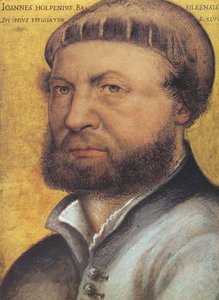
Hans Holbein Młodszy
1497 - 1543 , Niemcy
Krótka nota
- Artistic Movement Or Style: Renesans północny
- Artists Or Movements Influenced By This Artist: ['Późniejsi malarze portretowi']
- Artists Who Influenced This Artist: ['Albrecht Dürer']
- Date Of Birth: c. 1497
- Date Of Death: October or November 1543
- Full Name: Hans Holbein der Jüngere
- Nationality: Niemcy i Szwajcaria
- Notable Artworks:
- Ambasadorowie
- Portret Henryka VIII
- Portret Erasma
- Place Of Birth: Augsburg, Germany
Powiązane artykuły

Estetyka Smaku: Sztuka w Gastronomii – Jak Kolekcje Działają na Doświadczenie Michelin
Odkryj, jak strategiczny dobór kolekcji sztuki podnosi prestiż restauracji i kreuje niezapomniane doświadczenia kulinarne. Porady ekspertów dla lokali premium.

Sztuka dla każdego smaku: Projektowanie przestrzeni gastronomicznych z wykorzystaniem wizualnej rytmiki – od aperitifu do deseru w aranżacji wnętrz
Odkryj sztukę projektowania przestrzeni gastronomicznych! Inspiracje, trendy i eksperckie porady dotyczące aranżacji restauracji, kawiarni i pubów. Stwórz niezapomniane doświadczenie dla swoich gości dzięki wizualnej rytmice i harmonii wnętrz.

Paleta i Smak: Wpływ Projektowania Wizualnego na Percepcję Apetytu i Doświadczenie Kulinarne
Odkryj wpływ sztuki na percepcję smaku! Eksplorujemy historię martwej natury, psychologię apetytu i trendy w food stylingu. Inspiracje dla projektantów wnętrz gastronomicznych i miłośników kulinarnych doznań.

Kulturowy Nastrój w Jadalni: Wybór Reprodukcji Sztuki dla Eleganckiego Wnętrza
Odkryj historię i symbolikę martwej natury w jadalni! Inspiracje od mistrzów, porady aranżacyjne i wysokiej jakości reprodukcje obrazów z AllPaintingsStore.com. Stwórz eleganckie wnętrze pełne kultury.

Hans Holbein the Younger: A Renaissance Portraitist's Mastery of Realism & Psychological Insight
Explore the life & art of Hans Holbein the Younger, a Renaissance master renowned for his strikingly realistic portraits and psychological insight. Discover iconic works like 'The Ambassadors' and delve into his lasting legacy.


