


 Podgląd w skali 1:1
 Wyślij jako kartkę
 Udostępnij
 Szczegóły dzieła
 Przewodnik

 Pobierz obraz
 Podobne obiekty
 RTG
RTG Pokaz slajdów
 Q&A
Q&A Statystyki
Spring
 Oil On Canvas
- WallArt
- Baroque Drama Light
 1564
1564- Renaissance
 90.0 x 90.0 cm
 Scuola Grande di San Rocco
 Rozwiń treść
Otrzymaj plik gotowy do druku, którego jakość znacznie przewyższa podgląd internetowy. Każdy sprzedawany przez nas obraz cyfrowy pochodzi z wysokorozdzielczego pliku wzorcowego w naszej bazie — zazwyczaj o szerokości od 5 000 do 15 000 pikseli — dzięki czemu możesz drukować w dużym formacie, mocno kadrować lub z pełnym przekonaniem odwzorowywać najdrobniejsze detale.
Żaden plik nie opuszcza naszego studia bez odpowiedniej obróbki. Ekspert ds. cyfrowej edycji sprawdza zgodność kolorów z oryginałem i w razie potrzeby je koryguje, a następnie za pomocą profesjonalnych narzędzi do retuszu poprawia ostrość oraz szczegółowość — zawsze zachowując wierność pociągnięciom pędzla i stylowi artysty. Rezultatem jest obraz, który wygląda jak prawdziwe dzieło, a nie jak przefiltrowany skan.
Zatwierdzasz przed finalizacją zamówienia: nasz ekspert prześle obraz drogą mailową w ciągu 72 godzin do Twojego wglądu. Nie jesteś zadowolony? Poproś o poprawki lub korektę, bądź o zwrot kosztów, jeśli jakość nie spełnia oczekiwań.
To jakość, na której polegają wydawcy, studia projektowe, galerie oraz drukarnie.
Obraz cyfrowy
Pobierz plik o wysokiej rozdzielczości do osobistego użytku, druku oraz projektów kreatywnych. ( Przełącz na wydania drukowane Zamów ręcznie malowaną reprodukcję)
W każdym zamówieniu na obraz cyfrowy znajduje się
Profesjonalna dostawa cyfrowa z gwarancją
Wybierając AllPaintingsStore.com, nie otrzymujesz jedynie obrazu – otrzymujesz profesjonalnie udoskonalone cyfrowe dzieło sztuki, stworzone z najwyższą precyzją i objęte gwarancją satysfakcji. Oto wszystko, co automatycznie dołączane jest do Twojego zamówienia:

Błyskawiczna wysyłka e-mailowa
Plik z obrazem cyfrowym w wysokiej rozdzielczości zostanie przesłany na Twój adres e-mail w ciągu 72 godzin od złożenia zamówienia – gotowy do natychmiastowego użycia.

Plik cyfrowy wzbogacony przez AI
Twoja grafika została profesjonalnie zoptymalizowana przy użyciu zaawansowanych narzędzi AI oraz ręcznej edycji, co zapewnia maksymalną szczegółowość, klarowność i wierność kolorów.

Darmowe ponowne przesyłki dożywotnio
Przypadkowo usunąłeś lub zgubiłeś swój plik? Bez obaw – prześlemy go Tobie ponownie w dowolnym momencie, bez żadnych opłat.

Bez opłat importowych – zawsze
Ciesz się swoją sztuką natychmiast, bez żadnych opłat celnych, należności ani kosztów dostawy – pliki cyfrowe są zawsze wolne od podatku.

Gwarancja wierności kolorów
Dzięki zastosowaniu profesjonalnych narzędzi i procesów zarządzania barwą zapewniamy, że Twoje cyfrowe zdjęcie odzwierciedla oryginalne kolory tak wiernie, jak to tylko możliwe.

Gwarancja satysfakcji przez 100 dni
Jeśli nie będziesz zadowolony ze swojego cyfrowego obrazu, dokonamy jego poprawki lub zwrócimy 100% kosztów w ciągu 100 dni – bez zbędnych pytań.

100% Gwarancja zwrotu pieniędzy
Nie jesteś zadowolony? Otrzymaj pełny zwrot kosztów w ciągu 100 dni od otrzymania pliku cyfrowego – bez zbędnych pytań.

Rabaty przy zamówieniach hurtowych
Kup 3 obrazy, oszczędź 10% - Kup 5, oszczędź 15% - Kup 10+, oszczędź 20%. Idealne do projektów kreatywnych, galerii i agencji.
A Symphony of Rebirth: The Luminous Spirit of Tintoretto’s Spring
In the heart of Venice, within the hallowed halls of the Scuola Grande di San Rocco, resides a masterpiece that captures the very essence of life's eternal renewal. Jacopo Tintoretto’s "Spring," painted around 1564, is far more than a mere seasonal depiction; it is a profound meditation on the cyclical rhythms of nature and the human soul. As one gazes upon this oil on canvas, there is an immediate sense of being transported to a moment of pure, unadulterated peace. The composition centers on a tender, sleeping infant nestled amidst weathered rocks, a figure of absolute innocence enveloped by a verdant, flourishing landscape. This deliberate juxtaposition of the fragile human form against the robust, burgeoning greenery serves as a powerful emblem of rebirth, mirroring the way the earth awakens after the slumber of winter.
The brilliance of this work lies in Tintoretto’s unparalleled ability to manipulate light and shadow, a technique known as chiaroscuro. Known by his contemporaries as "Il Furioso" for his energetic and often rebellious approach to painting, Tintoretto breathes life into the stillness through rapid, masterful brushstrokes and a bold use of color. The light does not merely illuminate the scene; it dances across the textured surface, where the artist employed an impasto technique—applying paint thickly to create a tactile, three-dimensional quality. This interplay of light and shadow creates a sense of movement within the tranquility, suggesting that even in moments of profound rest, the energy of life is vibrantly pulsing just beneath the surface.
Symbolism and the Renaissance Vision
To understand "Spring" is to delve into the humanist ideals of the Late Renaissance. Every element within the frame is steeped in symbolic resonance. The strategic placement of flora around the infant’s head is not merely decorative; it represents the interconnectedness of humanity and the natural world. In the eyes of a Renaissance viewer, this scene would evoke thoughts of spiritual growth and the blossoming of divine grace. The lush vegetation acts as a living crown, celebrating the fertility and abundance that the season promises. For the modern collector or interior designer, this painting offers a sophisticated layer of meaning, providing a focal point that radiates both vitality and serenity.
Beyond its technical mastery, the emotional impact of the piece is deeply evocative. It invites the viewer into a "capriccio of dreams," a term once used to describe the ethereal quality of such allegorical works. There is a haunting beauty in the way Tintoretto captures the ephemeral nature of youth and the fleeting moment of a peaceful nap. For those seeking to adorn a space with art that inspires contemplation, "Spring" provides an unparalleled atmosphere. Whether placed in a sun-drenched morning room or a quiet study, a high-quality reproduction of this masterpiece brings with it the timeless allure of Venice and the enduring promise of new beginnings.
Pytania i odpowiedzi
Czy dzieło "Spring" znajduje się w kraju swojego twórcy?
Tak – dzieło znajduje się w kraju pochodzenia artysty. Jacopo Tintoretto urodził(a) się w Włochy, natomiast muzeum przechowujące oryginał dzieła „Spring” znajduje się w Włochy.
Jaki rozmiar wydruku „Spring” – Jacopo Tintoretto będzie odpowiedni do zalecanego pomieszczenia?
Dla Living Room zalecany rozmiar wydruku dzieła „Spring” – Jacopo Tintoretto to Medium.
Czy „Spring” – Jacopo Tintoretto to portret, pejzaż czy kompozycja kwadratowa?
Format dzieła „Spring” to Square. Jest to pomocna informacja podczas planowania miejsca, w którym zostanie umieszczona reprodukcja.
Biografia artysty
A Venetian Master of Drama and Light
Jacopo Tintoretto, born Jacopo Robusti in Venice around 1518, remains one of the most compelling and enigmatic figures of the High Renaissance and early Baroque periods. His very nickname, “Tintoretto” – little dyer – speaks to his family’s trade, yet it belies the immense artistry that would distinguish him from all others. Unlike many artists who benefited from structured apprenticeships, Tintoretto's path was largely self-directed, fueled by an insatiable curiosity and a relentless drive for innovation. While accounts suggest a brief and unsuccessful stint under Titian, the acknowledged master of Venetian colorism, it seems the experience proved more contentious than formative. Titian’s alleged dismissal of the young Jacopo – whether due to jealousy or artistic disagreement – spurred Tintoretto toward an independent course, one characterized by audacious experimentation and a uniquely dynamic style. He immersed himself in anatomical study, reportedly through dissection, and honed his skills by meticulously copying classical sculpture and the works of other masters. This dedication laid the foundation for a career that would redefine Venetian painting.Forging a Distinctive Style: *Il Furioso*
Tintoretto’s artistic development was marked by an almost feverish energy, earning him another evocative nickname: *Il Furioso* – “the Furious One.” This moniker wasn't merely descriptive of his working pace but also captured the intensity and emotional charge that permeated his canvases. His early works already hinted at a departure from traditional Venetian conventions. While acknowledging Titian’s influence in color, Tintoretto gravitated towards Michelangelo’s powerful figures and dramatic compositions. He synthesized these influences into something entirely new: a style characterized by elongated forms, swirling draperies, and an innovative use of perspective that often created a sense of dizzying depth and movement. He abandoned the meticulous finish favored by his contemporaries, opting instead for a rapid, almost sketch-like brushstroke that conveyed immediacy and raw emotion. This technique, combined with his masterful manipulation of light and shadow – *chiaroscuro* – allowed him to create scenes of unparalleled drama and psychological intensity. He wasn’t simply depicting events; he was conveying their emotional core. His compositions were often asymmetrical, creating a sense of dynamism and instability that reflected the turbulent spirit of the age.Monumental Achievements: San Rocco and Beyond
Tintoretto's prodigious output spanned decades, encompassing religious narratives, historical allegories, and portraits. However, his most significant achievement lies in the cycle of paintings he created for the Scuola Grande di San Rocco, a Venetian confraternity dedicated to Saint Roch. Over a period of more than fifty years, Tintoretto adorned the Scuola’s halls with over sixty canvases, transforming it into a breathtaking visual testament to faith and human experience. Works like “The Last Supper,” completed late in his life, demonstrate his continued experimentation with perspective and composition. Departing from traditional depictions, Tintoretto placed the scene in a dramatically lit, architecturally unstable space, emphasizing the emotional turmoil of Christ’s final meal with his disciples. Other notable works include “The Miracle of St Mark Freeing the Slave,” a powerful display of dynamic composition and foreshortening, and numerous paintings for Venetian churches and palaces that showcase his mastery of scale and narrative storytelling. These monumental projects cemented Tintoretto's reputation as one of Venice’s most important artists. He was known to work incredibly quickly, often finishing a painting in just a few days – a remarkable feat considering the complexity and detail of his works.Influences and Artistic Connections
Tintoretto’s artistic journey was shaped by a diverse range of influences. While Titian undoubtedly provided an initial foundation in color and Venetian tradition, he also drew inspiration from Michelangelo's powerful figures and dramatic compositions, as well as the classical sculptures that adorned Venice’s palaces. His early work shows traces of Andrea Schiavone, another influential Venetian painter who had spent much of his career in Italy. However, Tintoretto quickly developed a unique style that transcended these influences, forging a path all his own. He was also known to study anatomy through dissection, a practice considered controversial at the time but which undoubtedly informed his understanding of human form and movement. Interestingly, he maintained a somewhat reclusive existence, rarely sharing his techniques or methods with other artists, contributing to the mystery surrounding his creative process.Legacy and Historical Significance
Jacopo Tintoretto died in Venice in 1594, leaving behind a vast and influential body of work. He bridged the gap between the High Renaissance and the Baroque period, anticipating many of the stylistic innovations that would define the latter. His dramatic compositions, expressive brushwork, and innovative use of light and shadow profoundly influenced artists such as Caravaggio, Rembrandt, and Delacroix. He wasn’t merely a painter; he was a visual storyteller who understood how to harness the power of art to evoke emotion and inspire awe. As one of the three great Venetian painters of the 16th century – alongside Titian and Paolo Veronese – Tintoretto played a crucial role in shaping the artistic landscape of Venice during its golden age. His work reflects not only the religious fervor and political tensions of his time but also a uniquely personal vision that continues to resonate with audiences today, solidifying his place as one of history’s most important and captivating artists. His legacy is a testament to the enduring power of artistic innovation and the transformative potential of human creativity.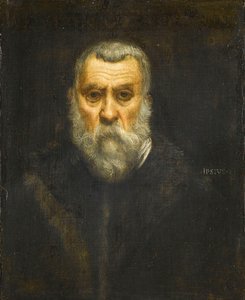
Jacopo Tintoretto
1518 - 1594 , Włochy
Krótka nota
- Artistic Movement Or Style: Renesans, Mannerismus
- Artists Or Movements Influenced By This Artist:
- Caravaggio
- Barok
- Artists Who Influenced This Artist:
- Tycjan
- Michał Anioł
- Date Of Birth: 1518
- Date Of Death: 1594
- Full Name: Jacopo Robusti
- Nationality: Włoski
- Notable Artworks:
- Mirakiel św. Marka
- Ostatnia Wieczerza
- Place Of Birth: Wenecja, Italia

