


 Podgląd w skali 1:1
 Wyślij jako kartkę
 Udostępnij
 Szczegóły dzieła
 Przewodnik

 Pobierz obraz
 Podobne obiekty
 RTG
RTG Pokaz slajdów
 Statystyki
The Five Senses
 Oil
Oil- WallArt
- Baroque
 1638
1638- Early Modern
 55.0 x 68.0 cm
 Musée Des Beaux
 Rozwiń treść
Ręcznie malowana reprodukcja olejowa
Ręcznie malowany obraz olejny na płótnie, wykonany na zamówienie przez naszych artystów w wybranym przez Ciebie wymiarze i oprawie. ( Przełącz na wydania drukowane Przejdź do wersji cyfrowej)




P118B zł10

P118H zł10

P118W zł10

P438Z zł10

P508JH zł12

P508YH zł12

P805H zł10

P805Z zł10

P919BZ zł10

P919G zł10

P919XJ zł10

P959ZH zł10

P968JZ zł12

W106C zł8

W218G zł10

W218JH zł8

W218Y zł10

W307PJ zł10

W316G zł10

W316PJ zł8

W316Y zł10

W398PJ zł8

W4111J zł10

W500HY zł15

W500JH zł15

W692G zł12

W849H zł8

W940BG zł15

W953PJ zł8




Wybierz spośród naszych standardowych rozmiarów, które zachowują oryginalne proporcje dzieła sztuki.

Wpisz wymaganą szerokość i wysokość, aby obraz pasował do Twojej ramy lub ściany. Ponieważ jest to dzieło malowane ręcznie, w przypadku rozmiaru o innych proporcjach artysta może domalować nieco więcej wokół obrazu lub przyciąć jego fragmenty — wybór należy do Ciebie. Przed rozpoczęciem pracy prześlemy Ci cyfrową wizualizację do zatwierdzenia. Obraz widoczny na tej stronie nie przedstawia rzeczywistego efektu — jedynie wizualizacja oddaje realny rezultat.
Po złożeniu zamówienia zespół AllPaintingsStore.com skontaktuje się z klientem drogą mailową w celu uzyskania instrukcji i prześle wizualizację projektu
Dostawa na całym świecie () w ciągu 3–4 tygodni zamiast standardowych 5 tygodni. (26 Październik). Bez kompromisów w kwestii jakości.

Bezpłatna ekspresowa wysyłka na cały świat

Wysokiej jakości płótno lniane

Pełne ubezpieczenie przesyłki

Gwarancja zwrotu należności celnych i podatków importowych

Gwarancja wiernego odwzorowania kolorów

100-dniowa polityka zwrotów (tylko w przypadku wad)

Gwarancja 100% zwrotu pieniędzy

Zniżka przy zakupie wielu sztuk
 Opcja ze szkłem jest dostępna wyłącznie w rozmiarach poniżej 110 cm

The Five Senses
Technika reprodukcji
Wymiary reprodukcji
-


Cena całkowita
zł 991
A Symphony of Sensation: The Artistry of Jacques Linard
In the quiet, contemplative realm of 17th-century French still life, few works capture the delicate interplay between the physical world and the metaphysical soul as masterfully as Jacques Linard’s The Five Senses. Painted in 1638, this exquisite composition serves as more than a mere collection of objects; it is a poetic meditation on human perception. As one gazes upon the canvas, the viewer is invited into a meticulously arranged world where every element—from the soft curve of an orange to the reflective surface of a mirror—whispers a story of beauty and transience. Linard, a pioneer of the French still life tradition, utilizes a rich, Baroque sensibility to transform a simple tabletop scene into a profound sensory experience that resonates across centuries.
The composition is a masterclass in balance and depth. At the heart of the painting lies a bountiful arrangement of fruit, where the vibrant hues of apples and oranges contrast beautifully with the deep, succulent tones of clustered grapes. These organic forms are anchored by the presence of two elegant vases, which provide vertical structure to the scene, while an open book rests upon the table, suggesting the intellectual pursuit of knowledge that accompanied the era's scientific curiosity. The inclusion of a clock hanging subtly on the wall serves as a poignant memento mori, a gentle reminder of the relentless passage of time that governs all living things. This layering of objects creates a rhythmic flow that guides the eye through a landscape of textures and light.
Symbolism and the Mirror of Reality
What elevates this work from a traditional still life to a masterpiece of symbolic depth is Linard’s use of reflection and light. The presence of a mirror within the scene is particularly striking; it does not merely duplicate the fruit arrangement but adds a complex dimension of spatial illusion, pulling the viewer deeper into the painted reality. This technique reflects the 17th-century fascination with optics and the way light defines our understanding of form. Through the mirror, the artist explores the concept of truth versus appearance, inviting us to question the boundaries between what is seen and what is felt.
Every element in The Five Senses acts as a conduit for one of the human senses: the sweetness of the fruit evokes taste, the vibrant colors stir sight, the tactile presence of the textures suggests touch, the implied aroma of ripening fruit hints at smell, and the silent, scholarly atmosphere of the book and clock evokes the internal rhythm of hearing and thought. For the discerning collector or interior designer, this painting offers a sophisticated narrative that transcends simple decoration. It is an intellectual centerpiece, perfect for spaces that value quiet contemplation, classical elegance, and the enduring power of historical storytelling.
A Timeless Addition to the Modern Interior
For those seeking to infuse their living spaces with a sense of history and soulful grace, a high-quality reproduction of Linard’s work provides an unparalleled opportunity. The painting’s palette—rich in earthy tones, warm golds, and deep botanical greens—complements a wide array of interior styles, from the stately grandeur of a traditional library to the muted, organic textures of contemporary minimalist design. Owning such a piece is not merely about displaying art; it is about curating an atmosphere of refinement and intellectual depth.
As a hand-painted tribute to one of France's most significant early still-life masters, this reproduction captures the meticulous brushwork and luminous glazing that define Linard’s original technique. It brings the light of 1638 into the modern home, offering a window into a world where every object holds a secret, and every shadow tells a story of the enduring human experience.
Pytania i odpowiedzi
Jaki nastrój budzi "The Five Senses"?
"The Five Senses" ma Classic atmosferę.
Czy można pobrać obraz "The Five Senses"?
Obraz „The Five Senses” – Jacques Linard można pobrać na stronie Pobierz plik cyfrowy dzieła: wysokiej rozdzielczości cyfrowe zdjęcie do pobrania.
W którym roku powstało „The Five Senses” – Jacques Linard?
„The Five Senses” – Jacques Linard powstało w 1638.
Podobne dzieła


Powiązane artykuły

Simon Vouet: A Baroque Master's Journey from Italian Influence to French Classicism
Explore the life & art of Simon Vouet, a pivotal French Baroque painter who introduced Italian styles to France. Discover his masterpieces and lasting influence on 17th-century art.
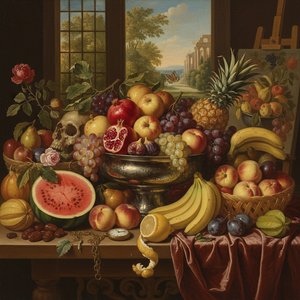
The Bountiful Still Life: Symbolism & Artistic Representation of Fruit Across Art History
Explore the rich history of still life painting & the symbolism of fruit across art movements. Discover masterpieces from Caravaggio to Cézanne with AllPaintingsStore – expert guidance & museum-quality reproductions.

Nature's Bounty: The Timeless Allure and Art History of Fruit Still Life Paintings
Discover the profound beauty of fruit still life paintings. Explore the rich symbolism, Baroque mastery, and timeless allure of nature's bounty through an art-historical lens, perfect for collectors and enthusiasts of classical fine art.

Barokowy Dramat we Wnętrzach: Sztuka Przepychu i Elegancji w Twoim Domu
Odkryj świat barokowego przepychu! Porady ekspertów jak wprowadzić elegancję i dramat do Twojego wnętrza. Inspiracje, charakterystyka stylu i praktyczne wskazówki.

Nature's Bounty: The Art History of Fruit Arrangement Masterpieces and the Baroque Still Life Tradition
Explore the profound beauty of fruit arrangement masterpieces. From Dutch Golden Age opulence to Baroque chiaroscuro, discover the art history, symbolism, and timeless elegance of classical still life paintings for the discerning collector.

