


 Podgląd w skali 1:1
 Wyślij jako kartkę
 Udostępnij
 Szczegóły dzieła
 Przewodnik

 Pobierz obraz
 Podobne obiekty
 RTG
RTG Pokaz slajdów
 Statystyki
Autoportret
 Obraz olejny na płótnie
- Sztuka ścienna
- Styl neoklasyczny
 1791
1791- – Wczesna nowożytność
 64.0 x 53.0 cm
 Galleria degli Uffizi
 Rozwiń treść
Ręcznie malowana reprodukcja olejowa
Ręcznie malowany obraz olejny na płótnie, wykonany na zamówienie przez naszych artystów w wybranym przez Ciebie wymiarze i oprawie. ( Przełącz na wydania drukowane Przejdź do wersji cyfrowej)




P118B zł10

P118H zł10

P118W zł10

P438Z zł10

P508JH zł12

P508YH zł12

P805H zł10

P805Z zł10

P919BZ zł10

P919G zł10

P919XJ zł10

P959ZH zł10

P968JZ zł12

W106C zł8

W218G zł10

W218JH zł8

W218Y zł10

W307PJ zł10

W316G zł10

W316PJ zł8

W316Y zł10

W398PJ zł8

W4111J zł10

W500HY zł15

W500JH zł15

W692G zł12

W849H zł8

W940BG zł15

W953PJ zł8




Wybierz spośród naszych standardowych rozmiarów, które zachowują oryginalne proporcje dzieła sztuki.

Wpisz wymaganą szerokość i wysokość, aby obraz pasował do Twojej ramy lub ściany. Ponieważ jest to dzieło malowane ręcznie, w przypadku rozmiaru o innych proporcjach artysta może domalować nieco więcej wokół obrazu lub przyciąć jego fragmenty — wybór należy do Ciebie. Przed rozpoczęciem pracy prześlemy Ci cyfrową wizualizację do zatwierdzenia. Obraz widoczny na tej stronie nie przedstawia rzeczywistego efektu — jedynie wizualizacja oddaje realny rezultat.
Po złożeniu zamówienia zespół AllPaintingsStore.com skontaktuje się z klientem drogą mailową w celu uzyskania instrukcji i prześle wizualizację projektu
Dostawa na całym świecie () w ciągu 3–4 tygodni zamiast standardowych 5 tygodni. (25 Październik). Bez kompromisów w kwestii jakości.

Bezpłatna ekspresowa wysyłka na cały świat

Wysokiej jakości płótno lniane

Pełne ubezpieczenie przesyłki

Gwarancja zwrotu należności celnych i podatków importowych

Gwarancja wiernego odwzorowania kolorów

100-dniowa polityka zwrotów (tylko w przypadku wad)

Gwarancja 100% zwrotu pieniędzy

Zniżka przy zakupie wielu sztuk
 Opcja ze szkłem jest dostępna wyłącznie w rozmiarach poniżej 110 cm

Autoportret
Technika reprodukcji
Wymiary reprodukcji
-


Cena całkowita
zł 990
Okno na myśl oświeceniową: Analiza Autoportretu Jacques'a Louisa Davida
„Autoportret” Davida, ukończony w 1794 roku, wykracza poza ramy zwykłego przedstawienia; ucieleśnia on ducha przełomowego momentu w historii sztuki europejskiej – rodzącego się ruchu romantycznego. Namalowane z niezwykłą szybkością i bezpośredniością, to zwodniczo proste płótno ujawnia głębokie zaangażowanie w artystyczną innowację, jednocześnie mocno osadzając się w tradycji neoklasycznej. Sam artysta – człowiek zmagający się z fizycznymi trudnościami, a jednak promieniujący intelektualnym przekonaniem – staje się punktem centralnym obrazu przepełnionego symbolicznym rezonansem.- Tematyka i kompozycja: David skrupulatnie portretuje własną twarz, chwytając nie tylko podobieństwo, ale także przekazując poczucie introspektywnej kontemplacji. Poza jest celowo formalna, naśladująca konwencje portretu ustanowione przez Rafaela i Michała Anioła – co stanowi świadomy wysiłek w celu utrzymania klasycznych ideałów piękna i godności pośród burzliwych nurtów rewolucji.
- Styl i technika: Wykonany techniką olejną na płótnie, z mistrzowskim pociągnięciem pędzla, „Autoportret” stanowi przykład oddania Davida neoklasycyzmowi. Precyzyjne linie wyznaczają rysy twarzy, tworząc rzeźbiarski efekt, który nawiązuje do antycznej greckiej rzeźby. Stonowana paleta – zdominowana przez ziemiste brązy i kremy – ostro kontrastuje z żywymi barwami preferowanymi przez artystów rokoka, sygnalizując świadyste odrzucenie ornamentyki na rzecz klarowności i powściągliwości.
Kontekst historyczny: Odzwierciedlenie rewolucji
Namalowany krótko po tym, jak Napoleon przejął władzę we Francji, „Autoportret” służy jako przejmujący komentarz do lęków i aspiracji epoki. Decyzja Davida, by przedstawić siebie – postać walczącą z fizyczną niepełnosprawnością – nie miała charakteru wyłącznie autobiograficznego; była nasycona znaczeniem symbolicznym. Niedowład lewej dłoni – będący konsekwencją polio zakaźnego, na które zapadł w dzieciństwie – reprezentuje wrażliwość i niedoskonałość, a jednocześnie symbolizuje odporność i wytrwałość. To celowe uwzględnienie odnosi się do szerszych problemów humanistycznych obecnych w sztuce romantycznej – pragnienia ukazania ludzkiego doświadczenia z nieugiętą szczerością i współczuciem.- Symbolika: Wzrok artysty skierowany jest na zewnątrz, angażując widza z niezachwianą pewnością siebie, która ucieleśnia napoleońską ambicję wielkości. Jednocześnie staranność w detalach – pieczołowicie oddane ubranie, subtelne cieniowanie – odzwierciedla neoklasyczny nacisk na obserwację i precyzję.
Oddziaływanie emocjonalne i dziedzictwo artystyczne
„Autoportret” wykracza poza swoje formalne konwencje, aby wywołać potężną reakcję emocjonalną. Cicha godność malowidła przemawia do tematów samoświadomości, bezbronności i triumfu nad przeciwnościami losu – cech, które głęboko rezonują z odbiorcami na przestrzeni wieków. Dzieło Davida ustanowiło nowy standard w portretowaniu, stawiając psychologiczną głębię na równi z pięknem estetycznym. Pozostaje ono trwałym świadectwem transformującej mocy sztuki – przypomnieniem, że nawet w momentach niepokojów artyści mogą dążyć do uchwycenia istoty ludzkiego doświadczenia z niezłomnym przekonaniem.Pytania i odpowiedzi
Jaki nastrój oddaje „Autoportret” – Jacques-Louis David w ramach nurtu Styl neoklasyczny?
"Autoportret" emanuje Refleksyjny emocjonalnym ładunkiem, wpisując się w nurt Styl neoklasyczny.
Z czego wynika obecny status praw autorskich dzieła "Autoportret"?
Status praw autorskich do dzieła „Autoportret” – należy do domeny publicznej – autorskie prawa majątkowe wygasły – wynika z faktu, że artysta zmarł w 1800.
W jakim wieku Jacques-Louis David stworzył(a) "Autoportret"?
Gdy w 1791 roku powstało dzieło „Autoportret”, Jacques-Louis David – urodzony/a w 1748 – miał/a 43 lat.
Biografia artysty
A Brushstroke Across Revolution: The Life and Art of Jacques-Louis David
Jacques-Louis David, born in Paris in 1748, was more than just a painter; he was a visual chronicler of an era defined by upheaval, idealism, and the relentless pursuit of new orders. His life mirrored the dramatic shifts unfolding across France – from the waning opulence of the Rococo to the austere clarity of Neoclassicism, and ultimately, through the tumultuous years of revolution and Napoleonic glory. A childhood marked by the early loss of his father and a facial impediment that initially hindered his speech seemed only to sharpen his observational skills and fuel an unwavering dedication to artistic mastery. Though initially apprenticed to François Boucher, David quickly found himself drawn to the more morally resonant work of Joseph-Marie Vien, whose emphasis on history painting and classical subjects resonated with a burgeoning sense of purpose within the young artist. His early attempts to win the prestigious Prix de Rome were fraught with frustration, yet these repeated setbacks only intensified his resolve, forging a relentless perfectionism that would characterize his entire career.The Birth of Neoclassical Drama
David’s artistic evolution wasn't merely a stylistic shift; it was a philosophical statement. He rejected the frivolous ornamentation and playful themes of the Rococo, embracing instead the clarity, order, and moral seriousness inherent in classical antiquity. This commitment was profoundly influenced by archaeological discoveries at Pompeii and Herculaneum, which unveiled a world of Roman art and architecture previously lost to time. These unearthed ruins provided him with an idealized vision of republican virtue and civic duty – principles he would translate into his paintings. His breakthrough came with “Oath of the Horatii” (1784), a painting that transcended mere artistic skill to become an emblem of civic virtue and patriotic sacrifice. The stark composition, dramatic lighting, and precise draftsmanship were revolutionary, signaling a decisive break from the past. It wasn’t simply *what* he painted but *how* – a deliberate construction designed to evoke powerful emotional responses and inspire contemplation on themes of duty, honor, and self-sacrifice. The figures are rendered with an almost sculptural quality, their bodies conveying both strength and vulnerability, while the pyramidal composition creates a sense of stability and order. This work didn't just announce a new style; it foreshadowed the ideological currents that would soon sweep across France.Revolution and Remembrance: Art as Political Weapon
As the French Revolution erupted in 1789, David was not merely an observer but an active participant. A fervent supporter of the revolutionary cause and a close associate of Maximilien Robespierre, he saw art as a powerful tool for shaping public opinion and immortalizing the ideals of the new republic. His paintings during this period became potent symbols of revolutionary martyrdom and republican fervor. Perhaps his most iconic work from this era is “The Death of Marat” (1793), a hauntingly realistic depiction of the assassinated journalist, transformed into a secular saint. The painting’s stark simplicity – the pale body, the makeshift desk, the poignant letter clutched in Marat's hand – elevates the scene to a level of profound emotional resonance. David deliberately chose to depict Marat in a state of vulnerability and suffering, emphasizing his sacrifice for the cause of liberty. This image was widely circulated throughout revolutionary Paris, serving as a powerful reminder of the price of freedom. He also created “The Death of Socrates” (1787) and "The Lictors Bringing Brutus the Bodies of His Sons" (1789), both exploring themes of sacrifice and civic duty in the face of tyranny. During this time, David served on the Committee of Public Safety, a testament to his commitment to the revolution.From Revolution to Empire: Serving Napoleon
The fall of Robespierre marked another turning point in David’s career. With remarkable adaptability, he navigated the shifting political landscape and aligned himself with Napoleon Bonaparte, becoming the First Consul’s official court painter. This new patronage ushered in a period of grand-scale commissions designed to glorify Napoleon’s victories and achievements. “Napoleon Crossing the Alps” (1801-1805) is perhaps the most famous example – a masterful piece of propaganda that presents Napoleon as a heroic, almost mythical figure conquering both nature and adversity. The painting utilizes dramatic lighting, dynamic composition, and carefully chosen details to create an image of unparalleled grandeur and power. “The Coronation of Napoleon” (1807), an immense canvas capturing the opulence and grandeur of the imperial ceremony, further cemented David’s position as the preeminent artist of the Napoleonic era. During this time, his palette subtly shifted, incorporating warmer Venetian colours while maintaining the precision and clarity that defined his style. He also produced portraits of Napoleon and other prominent figures, solidifying his role as the Emperor's official visual propagandist.Legacy and Influence
The Bourbon Restoration in 1814 brought renewed peril for David, whose association with the fallen Napoleon made him a target of persecution. He chose exile in Brussels in 1816, where he continued to paint and teach until his death on December 29, 1825. Despite facing political challenges, David’s influence remained profound. He trained numerous pupils, including Jean-Auguste-Dominique Ingres, who would become one of the most important neoclassical painters of the 19th century. David's emphasis on draftsmanship, composition, and historical accuracy left an indelible mark on French art. *His legacy extends beyond mere imitation*; his expressive distortions of form and space even foreshadowed the innovations of later artists like Henri Matisse and Pablo Picasso. Jacques-Louis David was not simply a painter of his time; he *defined* it, capturing its spirit of revolution, ambition, and enduring ideals on canvas for generations to come.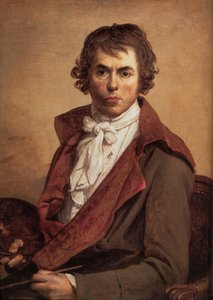
Jacques-Louis David
1748 - 1800 , Francja
Krótka nota
- Artistic Movement Or Style: Neoklasycyzm
- Artists Or Movements Influenced By This Artist:
- Ingres
- Matisse
- Artists Who Influenced This Artist:
- Vien
- Poussin
- Date Of Birth: 30 VIII 1748
- Date Of Death: 29 DC 1825
- Full Name: Jacques-Louis David
- Nationality: Francuz
- Notable Artworks:
- Oaths Horatii
- Śmierć Marata
- Napoleon na Alpach
- Place Of Birth: Paryż, Francja
Powiązane artykuły

Oświeceniowy Blask w Sztuce XVIII Wieku: Od Rokoka do Neoklasycyzmu – Ewolucja Estetyki i Idei
Poznaj fascynującą transformację sztuki XVIII wieku – od wdzięku rokoka do powagi neoklasycyzmu! Analiza historycznego kontekstu, wpływ oświecenia i wybitni twórcy. Ekspercka wiedza dla miłośników historii sztuki.

Odrodzenie antyku: Eksploracja ideałów piękna i władzy w portrecie neoklasycystycznym
Poznaj fascynujący świat portretu neoklasycystycznego! Eksplorujemy wpływ antyku na sztukę, techniki malarskie i wybitnych artystów. Odkryj idealy piękna i władzy w klasycznych obrazach.

Jacques-Louis David: Neoclassical Ideals & Revolutionary Witness
Explore the life & art of Jacques-Louis David, leading Neoclassical painter of the French Revolution. Discover iconic works like 'The Death of Marat' and his lasting impact on art history. Expert analysis & high-quality reproductions at AllPaintingsStore.

Anne-Louis Girodet: Bridging Neoclassicism & Romanticism with Emotional Truth
Explore the captivating world of Anne-Louis Girodet, a pivotal figure bridging Neoclassicism & Romanticism. Discover his masterpieces and unique artistic vision with AllPaintingsStore.

Reason vs. Emotion: The Epic Clash of Neoclassicism and Romanticism in Art History
Explore the profound tension between Neoclassicism's rational order and Romanticism's emotional depth. An expert journey through the masters of art history, from David to Delacroix, perfect for collectors and enthusiasts seeking a deeper understanding of artistic evolution.


