


 Podgląd w skali 1:1
 Wyślij jako kartkę
 Udostępnij
 Szczegóły dzieła
 Przewodnik

 Pobierz obraz
 Podobne obiekty
 RTG
RTG Pokaz slajdów
 Pytania i odpowiedzi
 Statystyki
Three Flags


 Rozwiń treść
Dzieło sztuki prezentowane na tej stronie podlega ochronie prawem autorskim, co oznacza, że nie mamy prawa do tworzenia ani sprzedaży jego identycznej reprodukcji. Ochrona ta jest egzekwowana na mocy umów międzynarodowych, takich jak Konwencja berneńska oraz przez przepisy prawa krajowego, w tym te określone w Prawo autorskie USA – Tytuł 17.
Metoda ta jest w pełni zgodna z przepisami prawa autorskiego, ponieważ nie polega na kopiowaniu ani powielaniu chronionego dzieła. Stanowi ona kreatywną reinterpretację – nowy obraz, który czerpie inspirację z oryginału, ale nie jest z nim tożsamy.
Giclée / Wydruk artystyczny
Wydruki giclée lub płótna o jakości muzealnej, szybka realizacja i szeroki wybór opcji wykończenia. ( Zamów ręcznie malowaną reprodukcję Przejdź do wersji cyfrowej)




P118B zł10

P118H zł10

P118W zł10

P438Z zł10

P508JH zł12

P508YH zł12

P805H zł10

P805Z zł10

P919BZ zł10

P919G zł10

P919XJ zł10

P959ZH zł10

P968JZ zł12

W106C zł8

W218G zł10

W218JH zł8

W218Y zł10

W307PJ zł10

W316G zł10

W316PJ zł8

W316Y zł10

W398PJ zł8

W4111J zł10

W500HY zł15

W500JH zł15

W692G zł12

W849H zł8

W940BG zł15

W953PJ zł8




Wybierz spośród naszych standardowych rozmiarów, które zachowują oryginalne proporcje dzieła sztuki.

Wpisz wymaganą szerokość i wysokość, aby dopasować grafikę do ramy lub ściany. Wydruk można jedynie przyciąć, nigdy nie powiększając go poza oryginalny obraz, dlatego format o innych proporcjach spowoduje utratę części kompozycji. Przed rozpoczęciem druku prześlemy Ci cyfrowy podgląd do zatwierdzenia. Obraz wyświetlany na tej stronie nie pokazuje rzeczywistego przycięcia — jedynie podgląd oddaje ten efekt.
Dostawa na cały świat () w ciągu 2 tygodni zamiast standardowych 4/5 tygodni. (13 Listopad)

Bezpłatna ekspresowa wysyłka na cały świat

Wysokiej jakości płótno lniane

Pełne ubezpieczenie przesyłki

Gwarancja zwrotu należności celnych i podatków importowych

Gwarancja wiernego odwzorowania kolorów

100-dniowa polityka zwrotów (tylko w przypadku wad)

Gwarancja 100% zwrotu pieniędzy

Zniżka przy zakupie wielu sztuk
 Opcja ze szkłem jest dostępna wyłącznie w rozmiarach poniżej 110 cm

Three Flags
Giclée / Wydruk artystyczny
Wymiary reprodukcji
-


Cena całkowita
zł 254
A Masterpiece of Texture and Presence
In the pantheon of twentieth-century American art, few works command the room with as much tactile authority as Jasper Johns’ Three Flags. Created in 1958, this monumental achievement is far more than a mere depiction of national iconography; it is a profound exploration of how we perceive the world around us. At first glance, the viewer is met with a striking, tiered arrangement of three American flags, stacked vertically and decreasing in size as they move toward the background. However, Johns employs a brilliant subversion of classical perspective. Instead of receding into the distance, the canvases appear to project outward, invading the viewer's personal space and creating an object-like quality that blurs the line between a flat painting and a three-dimensional sculpture.
For the discerning collector or interior designer, this piece offers a unique architectural dimension. It does not simply hang on a wall; it inhabits the room. The way the smallest flag sits atop the larger ones creates an illusion of depth that can transform a minimalist gallery space or add a sophisticated, intellectual focal point to a contemporary study. It is a work that demands close inspection, rewarding the observer with a complex interplay of light and shadow that changes as one moves around it.
The Alchemy of Encaustic and Symbolism
The true soul of Three Flags lies in its extraordinary surface. Johns utilized the ancient technique of encaustic—a method involving pigments mixed with heated beeswax—to achieve a level of textural richness that is almost unparalleled in modern painting. As the wax cooled, it captured every deliberate mark, stamp, and fragment of newspaper, resulting in a sensuous, variegated surface that feels both rugged and luminous. This thick, sculptural application of medium gives the red, white, and blue stripes a physical weight, making the familiar symbols of the flag feel grounded and visceral.
Beyond its technical brilliance, the painting serves as a cornerstone of the Neo-Dada movement. By choosing an emblem as ubiquitous and "seen but not looked at" as the American flag, Johns challenged the emotive excesses of Abstract Expressionism. He took a symbol that the mind already knows and forced the eye to truly examine it. Through this process, he stripped away the purely political or patriotic connotations of the flag, refocusing the viewer's attention on its geometric patterns, its colors, and the very essence of its form. It is a masterful exercise in turning the familiar into something extraordinary.
An Enduring Legacy for Modern Interiors
Integrating a high-quality reproduction of Three Flags into a curated collection allows one to bring a piece of art history into the modern home. The painting’s palette—a classic combination of deep reds, crisp whites, and authoritative blues—is inherently versatile, complementing both mid-century modern aesthetics and ultra-contemporary decor. It provides a sense of historical gravity while maintaining a bold, avant-garde edge that remains strikingly relevant.
To own a piece inspired by this work is to possess a fragment of the moment when art redefined itself for the post-war era. It is an invitation to contemplate the boundaries between abstraction and representation, and a celebration of the beauty found in the textures of everyday life. Whether placed in a high-end residential setting or a professional design studio, Three Flags continues to inspire awe, provocation, and a deep appreciation for the transformative power of the artist's hand.
Pytania i odpowiedzi
Kto stworzył "Three Flags" i w jakim stylu jest to dzieło?
Za dziełem "Three Flags" stoi Jasper Johns oraz nurt Neo-Dada.
Jak mogę pobrać obraz „Three Flags” – Jasper Johns?
Możliwość pobrania dzieła „Three Flags”: strona Pobierz plik cyfrowy oferuje wysokiej rozdzielczości cyfrowe zdjęcie do pobrania.
Czy mogę zamówić olejną reprodukcję "Three Flags"?
Ręcznie malowane reprodukcje dzieła „Three Flags” – Jasper Johns można nabyć na stronie niniejsza strona: ręcznie malowana reprodukcja olejowa na płótnie lnianym, zamawiając je bezpośrednio w zakładce Ręcznie malowana reprodukcja.
Biografia artysty
Wczesne lata, rodzina i kształcenie
Jasper Johns przyszedł na świat 15 maja 1930 roku w Augustzie w stanie Georgia. Małżeństwo jego rodziców rozpadło się w rozwód, gdy artysta był jeszcze bardzo młody, co sprawiło, że wychowywał się w Karolinie Południowej. Większość dzieciństwa spędził w Allendale, mieszkając u dziadków ze strony ojca. Później przebywał z matką i ojczym w Columbii, by ostatecznie zamieszkać u swojej ciotki Gladys nad jeziorem Murray. Pierwsze rysunki tworzył już w wieku trzech lat. Gdy dotarł do czasów licealnych, jego pasja do rzemiosła była już w pełni ukształtowana, co zaowocowało ukończeniem Edmunds High School w Sumter w 1947 roku z tytułem najlepszego absolwenta klasy.
Jego formalna edukacja rozpoczęła się na Południu, gdzie przez trzy semestry studiował na University of South Carolina w Columbii. Po opuszczeniu uczelni, w 1949 roku, podjął decyzję o przeprowadzce do Nowego Jorku. To właśnie tam, w tętniącym życiem mieście, zapisał się do Parsons School of Design, aby kontynuować swoją artystyczną ścieżkę. W tych kluczowych, formacyjnych latach podejmował różne dorywcze prace, w tym pracował jako sprzedawca w księgarni, zanim jego plany i rozwój przerwał obowiązek służby wojskowej.
Służba wojskowa i powrót do Nowego Jorku
Trajektoria jego wczesnych lat została przerwana w 1951 roku, kiedy został powołany do Armii Stanów Zjednoczonych podczas wojny w Korei. Ten okres służby oddalił go od artystycznych szkół Wschodniego Wybrzeża, rzucając go w dwa skrajnie odmienne światy. Spędził czas stacjonując w Fort Jackson w Karolinie Południowej, zanim został wysłany do Sendai w Japonii. Te lata służby wojskowej zapewniły mu dystans od tętniącej życiem sceny artystycznej, którą zaczął zgłębiać w Nowym Jorku.
Latem 1953 roku powrócił do Nowego Jorku. Miasto stało się dla niego miejscem transformacji, a on sam znalazł zatrudnienie w Marboro Books. Ten czas pracy pozwolił mu ponownie oswoić się z miejskim środowiskiem, przenikając przez społeczne i artystyczne warstwy metropolii. To właśnie w tych miesiącach, po zakończeniu służby, zaczął nawiązywać relacje, które miały zdefiniować jego późniejszą praktykę twórczą, pracując ramię w ramię z innymi artystami w nowojorskich loftach i pracowniach.
Narodziny nowego języka wizualnego
Do 1954 roku w sposobie traktowania obiektów na płótnie nastąpiła fundamentalna zmiana. Zamiast spontanicznych, gesturalnych śladów, które definiowały ówczesną epokę, pojawił się zwrot ku rzeczom, które umysł już zna. Oznaczało to posługiwanie się symbolami niewymagającymi żadnych wyjaśnień: flagami, mapami, tarczami, literami i numerami. Nie były to ilustracje konkretnych wydarzeń, lecz raczej rozpoznawalne formy służące do badania tego, jak postrzegamy znaczenie. Twórczość ta stała się sposobem na przyjrzenie się samemu aktowi widzenia, wykorzystującym to, co znane, by podważyć naturę reprezentacji.
To podejście pomogło ugruntować jego pozycję jako centralnej postaci w rozwoju powojennej sztuki amerykańskiej. Jego pierwsza wystawa solowa odbyła się w 1958 roku w Leo Castelli Gallery, gdzie obecność tych powszechnych symboli po raz pierwszy spotkała się z szerszą publicznością. Obrazy te nie próbowały uciekać od świata poprzez abstrakcję; one sprowadzały świat do pracowni za pomocą tych cichych, powtarzalnych motywów. Poprzez odrzucenie potrzeby narracji, punkt ciężkości przesunął się na powierzchnię płótna oraz sposób, w jaki symbol funkcjonuje jako kod wizualny.
Technika i styl artystyczny
Powierzchnia obrazów, które tworzy Jasper Johns, często sprawia wrażenie ciężkiej i wielowarstwowej. Artysta po mistrzowsku posługiwał się techniką enkaustyki, polegającą na mieszaniu pigmentu z gorącym woskiem, co pozwala na stworzenie gęstej, bogatej w teksturę warstwy. Ta metoda nadaje płótnu fizyczną głębię, w którą czasem bezpośrednio wkomponowywane są elementy kolażu lub wycinki z gazet. Takie nakładanie warstw nie sugeruje jednak gwałtownego, spontanicznego gestu. Wręcz przeciwnie, jego prace emanują poczuciem świadomej kontroli. Każda kreska i każdy kształt zdają się być umieszczone z konkretną intencją, co stanowi wyraźne odejście od chaotycznych, emocjonalnych zacieków charakterystycznych dla innych stylów połowy XX wieku. Johns preferował bardziej wyważone i przemyślane podejście do procesu konstruowania obrazu.
Ślad jego twórczej ręki widoczny jest na wielu płaszczyznach. Artysta swobodnie poruszał się między ciężką fakturą enkaustyki a precyzyjną, ostrą linią grafiki warsztatowej. Jego praktyka artystyczna obejmowała litografię, sitodruk, akwafortę oraz akwatintę. Te różnorodne techniki pozwalały mu na powtarzanie tych samych kształtów i symboli przy użyciu odmiennych tekstur. Często wracał do tych samych motywów – liczb, liter czy map – aby obserwować, jak zmienia się ich odbiór, gdy zmienia się metoda nakładania barw. Całość jego twórczości skupia się na procesie rozpoznawania kształtu przez widza oraz na tym, jak to rozpoznanie ewoluuje, gdy powierzchnia dzieła staje się warstwowa lub pofragmentowana.
- Target (1958)
- White Flag (1955)
- Colored alphabet (ok. 1959)
- False Start (1959)
- Perilous Night (1982)
Kluczowe dzieła i ikoniczna symbolika
Twórczość Jaspera Johns skupia się często na tym, co umysł już zna i rozpoznaje. W połowie lat 50. XX wieku obraz Flag (1954–55) wykorzystał kolaż z gwiazd i pasów, nakładając warstwy gazety na pigment. To podejście przekształciło znajomy symbol w bogatą, teksturalną powierzchnię z wosku i papieru. Z czasem wizualna narracja ewoluowała od tych wielkich, płaskich symboli w stronę bardziej skoncentrowanych form. Nastąpiła po tym seria obrazów przedstawiających tarcze, w których motyw celu służył do podważenia sposobu, w jaki widz postrzega prosty kształt. Jednym z takich dzieł jest Target with Four Faces (1958), gdzie twarze umieszczone w czerwonym polu wywołują niepokój poprzez swoją powtarzalną, pozbawioną ekspresji aranżację.
Skupienie na rozpoznawalnych przedmiotach trwało nadal w latach 60. XX wieku. Praca z 1961 roku, Map, wykorzystała fragmentaryczne przedstawienia Stanów Zjednoczonych, aby przyjrzeć się kwestiom geografii i tożsamości. Ten okres przyniósł również zwrot ku formom trójwymiarowym, które naśladowały przedmioty codziennego użytku. W 1960 roku powstała seria Painted Bronze (puszki piwa). Te rzeźby, choć odlane z brązu, zostały pomalowane tak, aby wyglądać dokładnie jak przedmioty, które reprezentowały, zacierając tym samym granicę między obiektem rzeczywistym a jego malarską imitacją.
- White Flag (1955)
- Three Flags (1958)
- False Start (1959)
- Colored Alphabet (około 1959)
Krąg wpływowych współpracowników
W loftach Manhattanu powietrze było gęste od dzielonych idei i cichego tarcia wynikającego z bliskości. Jasper Johns mieszkał w mieszkaniach sąsiadujących z apartamentami, w których przebywał Robert Rauschenberg – relacja ta miała charakter zarówno romantyczny, jak i artystyczny aż do 1961 roku. Spędzali dni na projektowaniu witryn sklepowych dla takich domów towarowych jak Tiffany i Bonwit Teller, pracując ramię w ramię, by przekształcić to, co przyziemne, w coś zupełnie innego. Ta bliskość sprawiała, że ich twórczość pozostawała w nieustannym dialogu, będąc ciągłą wymianą myśli i wizualnych eksperymentów, które pomogły wyznaczyć nowy kierunek dla sztuki amerykańskiej.
To kręgi wpływów rozciągały się również na sfery dźwięku i ruchu. Jasper Johns był bliskim przyjacielem kompozytora John Cage oraz choreografa Merce’a Cunninghama. Te powiązania wprowadziły do jego myślenia zupełnie inny rodzaj rytmu, zakorzeniony w awangardzie. Poruszał się w krajobrazie, w którym granice między różnymi dyscyplinami były przepuszczalne, inspirowany sposobem, w jaki Cage i Cunningham podchodzili do struktury i przypadku. Nawet idee Marcel Duchamp unosiły się w tle, stanowiąc ramy dla kwestionowania samej natury tego, co przedmiot może reprezentować, gdy zostanie umieszczony w kontekście dzieła sztuki.
Dziedzictwo i nieprzemijający wpływ
Przejście od spontanicznych, gesturalnych śladów ekspresjonizmu abstrakcyjnego ku rozpoznawalnej ikonografii Pop Artu dokonało się w dużej mierze dzięki jego twórczości. Poprzez sięgnięcie po rzeczy, które umysł już zna – flagi, tarcze i liczby – oraz potraktowanie ich jako przedmiotów głębokiej analizy, Jasper Johns zmienił sposób, w jaki artyści podchodzili do płótna. Ten zwrot ku codzienności utorował drogę dla twórczości takich artystów jak Andy Warhol oraz Roy Lichtenstein, którzy w późniejszych latach rozwinęli te idee kultury masowej i przedmiotu towarowego.
Jego obecność w świecie sztuki została naznaczona najwyższymi laurami uznania. W 1988 roku został uhonorowany Złotym Lwem na Biennale w Wenecji, a w 2011 roku otrzymał Prezydencki Medal Wolności. Te wyróżnienia stanowią odzwierciedlenie kariery poświęconej nieustannemu kwestionowaniu natury reprezentacji oraz sposobu, w jaki symbole funkcjonują w nieustannie zmieniającym się społeczeństwie.
- Flag (1954–55)
- Target (1958)
- Map (1961)
- Perilous Night (1982)
Gdzie dziś można zobaczyć jego dzieła
Aby stanąć twarzą w twarz z jego malarstwem i rzeźbą, warto udać się do Nowego Jorku. Muzeum Sztuki Nowoczesnej (MoMA) przechowuje wiele jego wybitnych dzieł, podczas gdy Whitney Museum of American Art oraz Metropolitan Museum of Art również posiadają jego prace w swoich prestiżowych kolekcjach. Instytucje te skrywają różne etapy jego artystycznej drogi – od wczesnych eksperymentów z techniką enkaustyki, aż po późniejsze, intymne rozważania nad przestrzenią pracowni artysty.
Twórczość Jasper Johns wykracza daleko poza granice Stanów Zjednoczonych. W Londynie, w Tate Modern, można odnaleźć dzieła odzwierciedlające jego wieloletnie zainteresowanie tym, w jaki sposób postrzegamy znane nam symbole. Obcowanie z tymi obiektami w tak odmiennych kontekstach pozwala na głębszą analizę tego, jak jego unikalne podejście do tekstury i powtarzalności formy rezonuje pod wpływem różnego światła.
- White Flag, 1955
- Target, 1958
- Map, 1961
- Perilous Night, 1982
- Dancers on a Plane, ok. 1964
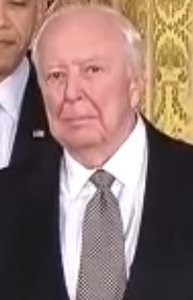
Jasper Johns
1930 - , Stany Zjednoczone
Krótka nota
- Artyści Lub Nurty Zainspirowani Tym Artystą:
- Pop Art
- Andy Warhol
- Roy Lichtenstein
- Artyści, Którzy Zainspirowali Tego Artystę: ['Marcel Duchamp']
- Data Urodzenia: 1930
- Miejsce Urodzenia: Augusta, Stany Zjednoczone Ameryki
- Narodowość: Amerykańska
- Pełne Imię I Nazwisko: Jasper Johns
- Wyróżniające Się Dzieła:
- Flag
- Target
- Map
- False Start
- White Flag
Powiązane artykuły

Mastering the Void: The Technical Depth and Historical Resonance of Ink Wash Painting
Explore the technical mastery of ink wash painting and Zen aesthetics. Discover the profound depth of Sumi-e tradition now.

25 Masterpieces by William H. Johnson: The Soul of the Harlem Renaissance
Immerse yourself in the vibrant soul of the Harlem Renaissance. Explore 25 iconic William H. Johnson masterpieces, from bold expressionism to soulful folk art. Find inspiration for your collection with museum-quality reproductions. Discover all masterpieces on AllPaintingsStore.com.

The Alchemy of Egg Tempera: Discovering the Luminous Art of Medieval Masterpieces
Explore the alchemy of egg tempera and medieval illumination mastery. Discover the luminous secrets of history's finest manuscripts.


