


 Zobacz w skali 1:1
 Wyślij
 Udostępnij
 Szczegóły
 Guide
Guide

 Pobierz plik obrazu
 Podobne obiekty
 RTG
RTG Pokaz slajdów
 Statystyki
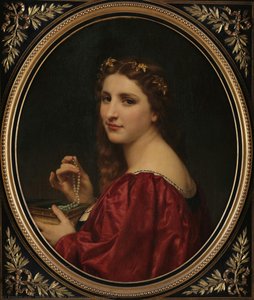
Princess Varvara Nikolaevna Gagarina (1762–1802)
 Oil On Canvas
- WallArt
- Rococo Sentimentality
 1780
1780 80.0 x 64.0 cm
 Metropolitan Museum of Art
 Czytaj więcej
Ręcznie malowana reprodukcja olejowa
Ręcznie malowany obraz olejny na płótnie, wykonany na zamówienie przez naszych artystów w wybranym przez Ciebie wymiarze i oprawie. ( Przełącz na wersję drukowaną Przełącz na wersję cyfrową)




P118B $10

P118H $10

P118W $10

P438Z $10

P508JH $12

P508YH $12

P805H $10

P805Z $10

P919BZ $10

P919G $10

P919XJ $10

P959ZH $10

P968JZ $12

W106C $8

W218G $10

W218JH $8

W218Y $10

W307PJ $10

W316G $10

W316PJ $8

W316Y $10

W398PJ $8

W4111J $10

W500HY $15

W500JH $15

W692G $12

W849H $8

W940BG $15

W953PJ $8




Wybierz spośród naszych standardowych rozmiarów, które zachowują oryginalne proporcje dzieła sztuki.

Możesz wprowadzić własne wymiary, aby dopasować obraz do konkretnej ramy lub przestrzeni. Jeśli wybrany rozmiar nie będzie odpowiadał proporcjom oryginału, przytniecie dzieło sztuki lub rozszerzymy je o dodatkowe elementy, ręcznie domalowane przez artystę. Przed rozpoczęciem produkcji wyślemy projekt cyfrowy do Twojej akceptacji.
Należy pamiętać, że podgląd na ekranie nie odzwierciedla rzeczywistego przycinania ani rozszerzania obrazu. Tylko projekt dokładnie pokaże ostateczną kompozycję.
Choć oferujemy możliwość zamówienia niestandardowych rozmiarów, zalecamy wybór wymiaru z gotowej listy, aby zachować oryginalne proporcje dzieła.
Po złożeniu zamówienia zespół AllPaintingsStore.com skontaktuje się z klientem drogą mailową w celu uzyskania instrukcji i prześle wizualizację projektu
Dostawa na całym świecie () w ciągu 3–4 tygodni zamiast standardowych 5 tygodni. (21 Wrzesień). Bez kompromisów w kwestii jakości.

Bezpłatna ekspresowa wysyłka na cały świat

Wysokiej jakości płótno lniane

Pełne ubezpieczenie transportowe

Gwarancja zwrotu należności celnych i podatków importowych

Gwarancja idealnego odwzorowania barw

100-dniowy okres na zwrot dzieła w przypadku wykrycia wad produkcyjnych

Gwarancja 100% zwrotu pieniędzy

Oferta przy zakupie wielu sztuk
 Opcja ze szkłem jest dostępna wyłącznie w rozmiarach poniżej 110 cm

Princess Varvara Nikolaevna Gagarina (1762–1802)
Technika wykonania
Rozmiar reprodukcji
-


Suma do zapłaty
$ 258
A Portrait of Grace and Sentiment: Princess Varvara Nikolaevna Gagarina
Jean-Baptiste Greuze’s “Princess Varvara Nikolaevna Gagarina” is more than just a portrait; it's a window into the opulent world of 18th-century Russia, a testament to the burgeoning influence of Parisian art and the enduring power of sentimental painting. Painted around 1780-82, this oval canvas captures a young noblewoman in a moment of quiet contemplation, radiating an aura of delicate beauty and understated dignity. The scene unfolds within a richly appointed interior – though details are subtly suggested – hinting at the grandeur of Varvara’s life and social standing. Greuze masterfully employs light and shadow to sculpt her features, drawing attention to her serene expression and the gentle curve of her lips. Notice how he uses soft brushstrokes to create a sense of velvety texture on her dress, emphasizing its luxurious quality – a garment closely associated with Queen Marie Antoinette’s fashionable style at the time.
The Rise of Sentimentality: Greuze's Artistic Vision
Greuze emerged as a pivotal figure in French art during the late 18th century, largely due to his ability to evoke profound emotion through his paintings. He skillfully navigated the evolving tastes of his era, moving away from the rigid formality of academic painting and embracing a more intimate, character-driven style. His work is characterized by its focus on everyday life, moral lessons, and the emotional experiences of ordinary people – or in this case, an extraordinary noblewoman. Unlike many of his contemporaries who favored grand historical narratives or mythological scenes, Greuze chose to depict scenes of domesticity, familial relationships, and personal struggles, often imbued with a strong sense of pathos. This shift towards “sentimentality,” as it was then termed, resonated deeply with the public, establishing Greuze as one of the most popular artists of his time.
Symbolism and Context: Fashion, Status, and Russian Aristocracy
The painting’s significance extends beyond its aesthetic qualities; it offers a glimpse into the social and cultural context of 18th-century Russia. Varvara Nikolaevna Gagarina's simple white cotton dress – a style popularized by Queen Marie Antoinette – immediately signals her connection to European fashion trends, reflecting the cosmopolitan influences that were shaping Russian society during this period. The presence of a small dog further reinforces the image of a refined and comfortable lifestyle, indicative of her status within the elite. The commission itself speaks volumes about the lavish patronage enjoyed by Russia’s aristocracy, who eagerly embraced Parisian artistic talent to adorn their palaces and showcase their wealth and influence. It's a scene frozen in time, reflecting the intersection of Russian nobility and European high culture.
Technique and Emotional Resonance: Greuze’s Mastery
Greuze’s technical skill is evident in his meticulous attention to detail – particularly in rendering fabrics and facial features. He employed a technique known as “pointillé,” using numerous small, closely spaced brushstrokes to create the illusion of texture and depth. This method not only enhanced the realism of the painting but also contributed to its overall softness and luminous quality. Crucially, Greuze’s ability to capture subtle nuances of emotion is what truly elevates this portrait. The Princess's expression is remarkably restrained yet deeply expressive, conveying a sense of quiet contemplation and perhaps even melancholy. It’s a testament to his profound understanding of human psychology and his skill in translating inner feelings onto canvas. The painting invites the viewer to step into Varvara’s world, fostering a connection through shared empathy and appreciation for beauty.
Podobne dzieła




Biografia artysty
Jean-Baptiste Greuze: A Life Etched in Sentiment
Jean-Baptiste Greuze, a name synonymous with the poignant and morally charged genre paintings of the late 18th century, was born in Tournus, a small Burgundian town steeped in history, on August 21st, 1725. His early life, far from the grand salons of Parisian art, was shaped by his father’s profession as a roofer – a humble background that would profoundly influence the themes and subjects he later explored through his brushstrokes. Initially discouraged from pursuing artistic endeavors, young Greuze found an unexpected mentor in Grandon, a Lyon artist who recognized within him a nascent talent deserving of cultivation. This early guidance proved pivotal, leading to studies first in Lyon and then, crucially, at the prestigious Royal Academy in Paris under Charles-Joseph Natoire – an institution that would ultimately shape his artistic trajectory, though not always in ways he desired. It was within these hallowed halls that Greuze began to hone his skills, developing a distinctive style characterized by its intense emotionality and meticulous attention to detail.The Rise of a Genre Painter
Greuze’s breakthrough arrived with breathtaking speed in 1755, with the unveiling of *Le Père de famille expliquant la Bible à ses enfants* (The Father Explaining the Bible to His Children). This wasn't merely a depiction of domestic life; it was an embodiment of Enlightenment ideals – a powerful statement on familial piety and moral instruction. The painting resonated deeply with contemporary audiences, capturing a spirit of bourgeois virtue that was rapidly gaining prominence within French society. Remarkably, this work was acquired by the discerning collector Ange-Laurent de La Live de Jully, catapulting Greuze to immediate fame. He swiftly followed this success with a series of further genre scenes – intimate glimpses into everyday life imbued with profound emotional depth and subtle moral undertones. These weren’t grand historical narratives or mythological allegories; instead, they focused on the lives of ordinary people—peasants, mothers, children—and explored themes of love, loss, poverty, and redemption. A journey to Italy in 1755, undertaken with his patron Abbé Louis Gougenot, broadened his artistic horizons, exposing him to the works of the Old Masters and influencing his technique. However, he ultimately found greater inspiration not in classical antiquity but in the realities of French society – its struggles, its joys, and its inherent complexities. His ability to evoke genuine feeling—joy, sorrow, remorse—set him apart from many of his contemporaries and firmly established him as a leading figure in the emerging Rococo style, albeit one with a distinctly moralizing bent.Mastering Emotion and Moral Narrative
Greuze’s artistic strength lay not just in technical skill but in his profound understanding of human psychology and his ability to translate that understanding onto canvas. His paintings are characterized by an almost theatrical intensity—a heightened sense of drama and emotion that draws the viewer into the scene. Works like *La Jeune Fille qui pleure son oiseau mort* (The Young Girl Weeping for Her Dead Bird) and *Savoyard with a Dancing Doll* exemplify this mastery, demonstrating his remarkable talent for capturing subtle nuances of expression and conveying inner turmoil with breathtaking sensitivity. He possessed an extraordinary ability to depict the vulnerability of childhood, the heartbreak of loss, and the complexities of human relationships—all within the confines of seemingly simple domestic settings. His compositions were often carefully staged, utilizing dramatic lighting, expressive gestures, and meticulously rendered details to heighten emotional impact. Crucially, Denis Diderot, a leading intellectual of the Enlightenment, became a fervent champion of Greuze’s work, praising his ability to depict “morality in paint.” This recognition solidified Greuze's position as a significant voice within the artistic landscape of his time.The Shifting Sands of Recognition and Later Works
Despite this initial success, Greuze faced considerable challenges throughout his career. He aspired to be recognized as a history painter – the most prestigious category within the Academy – and attempted a transition with *Septimius Severus Reproaching Caracalla* (1769). This ambitious work, depicting the Roman emperor’s confrontation with his son, was met with harsh criticism from the established academic establishment. The painting's lack of adherence to classical conventions and its somewhat unsettling emotional intensity ultimately led to Greuze’s rejection by the Academy – a devastating blow that profoundly affected him. He was subsequently accepted only as a genre painter, a decision that deeply wounded his pride and marked a turning point in his artistic trajectory. In the years following this setback, Greuze's work began to shift in tone, exploring themes of seduction, moral transgression, and social injustice with increasing boldness. These paintings, while technically proficient, often lacked the emotional resonance and moral clarity of his earlier masterpieces. He became increasingly reclusive and embittered, retreating from public life and struggling financially.A Lasting Legacy
Despite this decline in fortune and recognition, Jean-Baptiste Greuze’s influence on French art remains undeniable. He pioneered a new form of genre painting that focused on contemporary life and explored universal human emotions—a departure from the traditional historical and mythological subjects favored by the Academy. His work paved the way for later artists who sought to depict the realities of everyday existence with honesty, sensitivity, and a profound understanding of the human condition. Greuze’s legacy endures not only through his paintings themselves but also through their ability to evoke powerful emotions in viewers centuries after they were created. He left behind a body of work that continues to captivate audiences with its emotional power, technical brilliance, and enduring relevance—a testament to the genius of an artist who dared to paint the complexities of human experience.Key Works & Their Significance
- Le Père de famille expliquant la Bible à ses enfants (1755): A cornerstone of his early success, embodying Enlightenment ideals of familial piety.
- La Jeune Fille qui pleure son oiseau mort (c. 1765): Demonstrates Greuze’s mastery of emotional expression and poignant storytelling.
- Savoyard with a Dancing Doll (c. 1763): Captures the spirit and vulnerability of childhood, showcasing his skill in portraiture.
- Septimius Severus Reproaching Caracalla (1769): A failed attempt at historical painting that highlighted his strengths lay elsewhere.
- The Broken Pitcher (c. 1770s): Represents a shift towards more sensual and morally ambiguous themes in his later work.

Jean-Baptiste Greuze
1725 - 1805 , Francja
Najważniejsze informacje
- Artistic Movement Or Style: Rokoko, Malarstwo rodzajowe
- Artists Or Movements Influenced By This Artist: ['Holenderskie malarstwo rodzajowe']
- Artists Who Influenced This Artist: ['Grondom (Grandon)']
- Date Of Birth: 1725
- Date Of Death: 1805
- Full Name: Jean-Baptiste Greuze
- Nationality: Francuz
- Notable Artworks:
- Ojciec tłumaczący Biblię
- Młoda dziewczyna płacząca nad martwym ptakiem
- Savoyard z tańczącą lalką
- Place Of Birth: Tournus, Francja
Zobacz także powiązane artykuły
Ivan Bilibin: A Synthesis of Folklore, Modernism & National Identity in Russian Illustration
Explore the enchanting world of Ivan Bilibin, a master Russian illustrator who synthesized folklore, Art Nouveau & national identity. Discover his iconic fairy tale illustrations and legacy with AllPaintingsStore.

Draped Narratives: Fashion as Symbol & Subject in Historical Art
Explore the fascinating history of fashion as a symbol of power & status in art! Discover masterpieces from Gainsborough to Tissot and learn how clothing shaped societal narratives. Find museum-quality reproductions at AllPaintingsStore.

Gianfranco Ferré: Deconstructing Haute Couture – A Legacy of Architectural Form
Explore the revolutionary world of Gianfranco Ferré, 'the architect of fashion.' Discover his architectural approach to haute couture, iconic Dior designs, and lasting influence on luxury style. A deep dive for collectors & enthusiasts.

Białe arcydzieła: Top 10 słynnych obrazów pełnych światła i emocji | AllPaintingsStore.pl
Odkryj 10 najsłynniejszych obrazów, w których biel dominuje i tworzy wyjątkową atmosferę. Poznaj historie Moneta, Van Gogha i innych mistrzów! Reprodukcje najwyższej jakości na AllPaintingsStore.com – inspiracje wnętrzarskie i kolekcjonerstwo sztuki online.

Victor Vasnetsov: Myth, Nationalism & the Revival of Russian Fairy Tale Painting
Explore the captivating world of Victor Vasnetsov, a co-founder of Russian folklorist painting. Discover his iconic works, influence on national identity, and lasting legacy in this expert guide.

