


 Zobacz w skali 1:1
 Wyślij
 Udostępnij
 Szczegóły
 Guide
Guide

 Pobierz plik obrazu
 Podobne obiekty
 RTG
RTG Pokaz slajdów
 Statystyki
Académie d'homme


 Czytaj więcej
Ręcznie malowana reprodukcja olejowa
Ręcznie malowany obraz olejny na płótnie, wykonany na zamówienie przez naszych artystów w wybranym przez Ciebie wymiarze i oprawie. ( Przełącz na wersję drukowaną Przełącz na wersję cyfrową)




P118B $10

P118H $10

P118W $10

P438Z $10

P508JH $12

P508YH $12

P805H $10

P805Z $10

P919BZ $10

P919G $10

P919XJ $10

P959ZH $10

P968JZ $12

W106C $8

W218G $10

W218JH $8

W218Y $10

W307PJ $10

W316G $10

W316PJ $8

W316Y $10

W398PJ $8

W4111J $10

W500HY $15

W500JH $15

W692G $12

W849H $8

W940BG $15

W953PJ $8




Wybierz spośród naszych standardowych rozmiarów, które zachowują oryginalne proporcje dzieła sztuki.

Możesz wprowadzić własne wymiary, aby dopasować obraz do konkretnej ramy lub przestrzeni. Jeśli wybrany rozmiar nie będzie odpowiadał proporcjom oryginału, przytniecie dzieło sztuki lub rozszerzymy je o dodatkowe elementy, ręcznie domalowane przez artystę. Przed rozpoczęciem produkcji wyślemy projekt cyfrowy do Twojej akceptacji.
Należy pamiętać, że podgląd na ekranie nie odzwierciedla rzeczywistego przycinania ani rozszerzania obrazu. Tylko projekt dokładnie pokaże ostateczną kompozycję.
Choć oferujemy możliwość zamówienia niestandardowych rozmiarów, zalecamy wybór wymiaru z gotowej listy, aby zachować oryginalne proporcje dzieła.
Po złożeniu zamówienia zespół AllPaintingsStore.com skontaktuje się z klientem drogą mailową w celu uzyskania instrukcji i prześle wizualizację projektu
Dostawa na całym świecie () w ciągu 3–4 tygodni zamiast standardowych 5 tygodni. (21 Wrzesień). Bez kompromisów w kwestii jakości.

Bezpłatna ekspresowa wysyłka na cały świat

Wysokiej jakości płótno lniane

Pełne ubezpieczenie transportowe

Gwarancja zwrotu należności celnych i podatków importowych

Gwarancja idealnego odwzorowania barw

100-dniowy okres na zwrot dzieła w przypadku wykrycia wad produkcyjnych

Gwarancja 100% zwrotu pieniędzy

Oferta przy zakupie wielu sztuk
 Opcja ze szkłem jest dostępna wyłącznie w rozmiarach poniżej 110 cm

Académie d'homme
Technika wykonania
Rozmiar reprodukcji
-


Suma do zapłaty
$ 258
A Study in Form: Jean-François Millet’s *Académie d'homme*
This captivating work by Jean-François Millet, titled *Académie d'homme*, offers a compelling glimpse into the artist’s mastery of anatomical study and his engagement with the academic traditions of 19th-century France. While celebrated for his poignant depictions of rural life, this piece reveals Millet’s foundational skills in representing the human form – a cornerstone of artistic training at the time.Subject & Composition
The painting presents a nude male figure rendered with striking dynamism. The subject isn't posed statically; instead, he is captured in a twisting, almost theatrical stance, emphasizing the interplay of muscle and bone. This isn’t merely a portrait but an *étude* – a dedicated exploration of anatomy and movement. The composition deliberately focuses on the figure, isolating him against a dark, undefined background which serves to amplify his presence and accentuate the contours of his body.Style & Technique: Barbizon Realism
Millet’s style here aligns with the principles of academic realism prevalent during his time, yet hints at the emerging sensibilities of the Barbizon School. While adhering to accurate anatomical representation, there's a palpable energy and immediacy that foreshadows Millet’s later focus on capturing authentic human experience. The technique is particularly noteworthy for its use of impasto – thick layers of paint applied with visible brushstrokes. This creates a rich texture, lending the figure a tactile quality and enhancing the dramatic interplay of light and shadow across his musculature.Historical Context & Artistic Lineage
Born into a farming family in Normandy, Millet (1814-1875) initially struggled to gain acceptance within the Parisian art establishment. He studied under established artists like Bon du Mouchel and Théophile Langlois de Chèvreville, absorbing classical principles before forging his own path with the Barbizon group. *Académie d'homme* likely dates from a period where Millet was honing these foundational skills – a necessary step for any aspiring artist of the era. It demonstrates his commitment to understanding the human form as a basis for his later, more celebrated works depicting peasant life.Symbolism & Emotional Resonance
Beyond its technical brilliance, *Académie d'homme* invites contemplation on broader themes. The figure’s pose and expression – a subtle blend of strength and vulnerability – can be interpreted in multiple ways. Is this a celebration of human physicality? A study of the body as both powerful and fragile? Or does the intensity of the pose hint at inner turmoil or even madness, as suggested by initial observations? The ambiguity adds depth to the work, prompting viewers to engage with it on an emotional level.For Collectors & Interior Designers
*Académie d'homme* is a compelling piece for those seeking artwork that blends classical technique with subtle emotional complexity. Its dramatic lighting and dynamic composition make it a striking focal point in any collection. For interior design, the painting’s dark palette and powerful form lend themselves well to sophisticated spaces – particularly studies, libraries, or dining rooms where a sense of gravitas is desired. A high-quality reproduction captures the texture and depth of Millet's brushwork, bringing the artist’s vision to life in any setting.- Style: Academic Realism, Barbizon School
- Medium: Oil on Canvas
- Themes: Anatomy, Human Form, Strength, Vulnerability, Study
Podobne dzieła


Biografia artysty
A Life Rooted in the Soil: The World of Jean-François Millet
Jean-François Millet, a name inextricably linked to the dignity of rural life and the burgeoning Realist movement in 19th-century France, was not born into the rarefied atmosphere of artistic privilege. Instead, he emerged from the very earth that would become the subject and inspiration of his enduring legacy. On October 4, 1814, he arrived in Gruchy, a small Norman village nestled within a landscape dominated by agricultural tradition – a place where the rhythms of the seasons dictated every aspect of existence. This upbringing wasn’t merely a setting for his life; it *defined* it, shaping his artistic vision with an authenticity that resonated deeply with a nation undergoing profound transformation. His parents, Jean-Louis-Nicolas and Aimée-Henriette-Adélaïde Henry Millet, were themselves farmers, instilling in young Jean-François not just a love of the land but also a deep understanding of its hardships and rewards. Early education wasn’t confined to formal schooling – facilitated by local priests who recognized his intellectual potential – but was equally shaped by the tangible realities of farm work: the backbreaking labor of sowing seeds, reaping harvests, and threshing grain – experiences that would later become central motifs in his paintings. This intimate knowledge wasn't simply observational; it possessed a visceral quality, a profound understanding of human endurance and the quiet dignity of rural life.From Academic Aspirations to Rural Revelation
Millet’s artistic journey began with a traditional path, involving formal training under portrait painter Bon Du Mouchel in Cherbourg, followed by instruction with Théophile Langlois de Chèvreville, a student of Baron Gros. In 1837, he ventured to the heart of Parisian art – Paris – and enrolled at the prestigious École des Beaux-Arts, studying under Paul Delaroche. However, the rigid expectations and hierarchical structure of the Salon system proved stifling for the young artist. Initial successes were followed by a series of rejections, leading to a period of artistic disillusionment. It was during the 1840s that a pivotal shift occurred – marked by both personal tragedy and a growing dissatisfaction with the romanticized depictions of peasant life prevalent at the time. The loss of his beloved wife, Pauline-Virginie Ono, coupled with a desire for greater artistic honesty, propelled him away from idealized pastoral scenes towards a more direct and unflinching portrayal of rural existence. This turning point was further solidified by his association with a group of like-minded artists who sought to break free from the constraints of academic tradition – including Constant Troyon, Narcisse Diaz, Charles Jacque, and Théodore Rousseau. These painters, united by a shared commitment to *plein air* painting (working directly from nature) and a rejection of artifice, formed the core of what would become known as the Barbizon school.The Poetry of Labor: Themes and Techniques
Millet’s oeuvre is profoundly characterized by his deep empathy for the working class, particularly peasant farmers. He didn't simply depict their labor; he elevated it to a level of dignity and spiritual significance previously unseen in art. His paintings are not sentimental idealizations but rather honest portrayals of hardship, resilience, and quiet devotion. The Gleaners (1857), perhaps one of his most iconic works, exemplifies this approach. The three women depicted gathering leftover grain after the harvest aren’t romanticized figures; they are laborers, bent double by toil, yet possessing a remarkable serenity and dignity that commands respect. The Angelus (1850-1861), another masterpiece, captures a moment of profound spirituality – a peasant couple pausing for prayer at sunset – transforming an everyday act into something sacred. The scene is imbued with a sense of timelessness and quiet contemplation. The Sower (1850) stands as an enduring symbol of the cyclical nature of agricultural labor and humanity’s fundamental connection to the land, representing the beginning of the harvest season. Millet's technical approach was equally significant. He drew inspiration from the Dutch Masters, particularly their masterful use of light and shadow – a technique known as *chiaroscuro* – to create depth and atmosphere. He also incorporated elements of classical sculpture, evident in the monumental quality of his figures and the carefully considered composition of his works. Millet employed a restrained palette, primarily utilizing earthy tones that mirrored the colors of the countryside, and built up layers of paint with meticulous detail to convey texture and volume.A Lasting Legacy: Millet’s Influence and Historical Significance
Jean-François Millet died in Barbizon on January 20, 1875, leaving behind a body of work that profoundly impacted the course of modern art. He played a pivotal role in establishing Realism as a dominant force in painting, challenging the conventions of academic art and paving the way for future movements like Impressionism and Social Realism. His focus on everyday life and social issues resonated deeply with artists who sought to depict the world around them with honesty and authenticity. His influence extended beyond painting; his images became symbols of rural virtue and working-class solidarity, inspiring writers, poets, and political thinkers. Artists such as Correa Benito Rebolledo continued to explore themes of rural life and social justice, directly influenced by Millet’s example. Today, Millet's paintings continue to captivate audiences with their timeless beauty, emotional depth, and enduring message of human dignity. His work serves as a powerful reminder that even in the face of hardship, there is grace, resilience, and profound spiritual meaning to be found in the simplest of lives.Major Works
- The Gleaners (1857): A poignant depiction of women gathering leftover grain.
- The Angelus (1850-1861): A symbol of rural piety and a moment of quiet devotion.
- The Sower (1850): An iconic image representing the cycle of agricultural labor.
- Man with a Hoe: A powerful representation of physical toil and human endurance.
- Harvesters Resting: Capturing a moment of respite amidst arduous work.
- Woman Baking Bread: A depiction of domestic labor imbued with dignity.
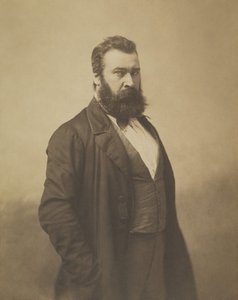
Jean-François Millet
1814 - 1875 , Francja
Najważniejsze informacje
- Artistic Movement Or Style: Realizm, Barbizon
- Artists Or Movements Influenced By This Artist:
- Impressionizm
- Realizm społeczny
- Artists Who Influenced This Artist:
- Holenderscy mistrzowie
- Paul Delaroche
- Date Of Birth: 4 października 1814
- Date Of Death: 20 stycznia 1875
- Full Name: Jean-François Millet
- Nationality: Francuz
- Notable Artworks:
- Zbieracze zboża
- Anioł Pański
- Siewca
- Place Of Birth: Gruchy, Francja
Zobacz także powiązane artykuły

The Barbizon School: A Professional Guide to Naturalism and Landscape Mastery for Interior Designers
Explore the Barbizon School's mastery of naturalism. An expert guide for hotel designers and procurement managers on sourcing high-quality landscape reproductions to elevate hospitality and corporate interiors with authentic, large-scale fine art solutions.


