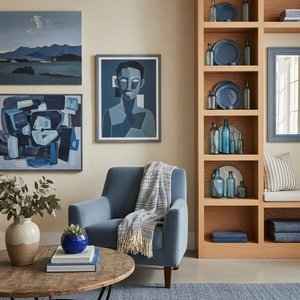
1961. Akryl na płótnie, 270.0 x 355.0 cm.

§ 1Catalogue data

- 270.0 x 355.0 cm


Ten utwór podlega ochronie prawem autorskim
Dzieło sztuki prezentowane na tej stronie podlega ochronie prawem autorskim, co oznacza, że nie mamy prawa do tworzenia ani sprzedaży jego identycznej reprodukcji. Ochrona ta jest egzekwowana na mocy umów międzynarodowych, takich jak Konwencja berneńska oraz przez przepisy prawa krajowego, w tym te określone w Prawo autorskie USA – Tytuł 17.
Jako pełną szacunku i legalną alternatywę oferujemy personalizowane, malowane ręcznie dzieła sztuki inspirowane oryginałem. Nasi wykwalifikowani i profesjonalni artyści starannie analizują styl, nastrój oraz artystyczną esencję pierwowzoru, aby stworzyć nowe, unikalne dzieło, które przywołuje te same emocje – pozostając jednocześnie w pełni oryginalną kreacją.
Metoda ta jest w pełni zgodna z przepisami prawa autorskiego, ponieważ nie polega na kopiowaniu ani powielaniu chronionego dzieła. Stanowi ona kreatywną reinterpretację – nowy obraz, który czerpie inspirację z oryginału, ale nie jest z nim tożsamy.
 Dowiedz się więcej
§ 2Abstract
Opis obiektu
Experience Joan Miró's 'Blue III' (1961) – a vibrant abstract masterpiece featuring a striking red kite against serene blue hues. Explore Surrealism & modern art’s legacy.
Biografia artysty
Poznaj świat Joana Miró! Odkryj Surrealizm i abstrakcję, katalońską symbolikę oraz zabawne kształty. Pionier sztuki nowoczesnej – zobacz dzieła w AllPaintingsStore!
§ 3Commentary
A Blue Dreamscape: Unpacking Joan Miró’s “Blue III”
Joan Miró’s “Blue III,” painted in 1961, isn't merely a painting; it’s an invitation into the artist’s subconscious. Measuring a substantial 270 x 355 cm on canvas, this work pulsates with a quiet energy—a testament to Miró’s mastery of abstract expressionism and his unique ability to distill complex emotions into deceptively simple forms. At first glance, it presents as a serene expanse of blue, punctuated by the bold silhouette of a red kite soaring against an azure sky. Yet, beneath this apparent simplicity lies a rich tapestry of Surrealist influences, Catalan symbolism, and a profound exploration of the human psyche. The painting’s power resides not in representational accuracy but in its evocative capacity to trigger memories, dreams, and a sense of childlike wonder—a characteristic Miró relentlessly pursued throughout his career.The Composition: Geometry and Movement
The composition of “Blue III” is meticulously balanced despite its abstract nature. The dominant blue field acts as a grounding force, providing a backdrop for the dynamic interplay of shapes and colors. The most striking element is undoubtedly the red kite, positioned towards the upper left corner. Its two connected pieces, reminiscent of wings or abstracted figures, suggest flight, aspiration, and perhaps even a touch of melancholy. Miró’s use of bold, geometric forms—the kite itself, along with the three circles scattered across the canvas—creates a sense of controlled chaos, inviting the viewer to lose themselves in its depths. The tail of the kite extends downwards and slightly to the right, adding a subtle diagonal movement that prevents the composition from feeling static. These carefully placed elements aren’t merely decorative; they are integral to the painting's narrative, contributing to an overall sense of dynamic equilibrium.Echoes of Surrealism and Expressionism
Miró’s artistic lineage is deeply intertwined with both Surrealism and German Expressionism. The influence of artists like André Masson and Max Ernst—known for their automatic drawing techniques and exploration of the unconscious—is readily apparent in Miró's use of spontaneous, gestural brushstrokes and his willingness to embrace irrationality. However, unlike the often frenetic energy of some Surrealists, Miró’s approach is characterized by a more measured restraint, a deliberate attempt to channel the subconscious into a coherent visual language. Simultaneously, there’s a palpable resonance with German Expressionism—a shared interest in conveying intense emotions through distorted forms and vibrant color palettes. The painting's emotional intensity, its ability to evoke feelings of both serenity and unease, reflects this dual influence.A Catalan Soul: Symbolism and Memory
“Blue III” is deeply rooted in Miró’s Catalan identity. The blue itself—a shade he famously associated with dreams and the subconscious—holds particular significance for him. It wasn't simply a color; it was a portal to another realm, a space where memories, fantasies, and primal emotions could surface. The kite, too, carries symbolic weight. In Catalan folklore, kites are often associated with wishes and aspirations, representing the desire to transcend earthly limitations. Miró frequently incorporated elements of Catalan culture—from farm animals to traditional costumes—into his work, imbuing them with personal meaning and celebrating his homeland’s unique heritage. The painting can be interpreted as a meditation on memory, longing, and the enduring power of cultural identity.A Legacy of Abstraction: Relevance Today
“Blue III” stands as a pivotal masterpiece in the history of abstract art. Created during a period when Abstract Expressionism was gaining momentum in the United States—a movement that championed spontaneity and emotional expression—Miró’s work helped to shape its trajectory. His innovative use of color, form, and symbolism continues to inspire artists and captivate viewers today. The painting's enduring appeal lies in its ability to bypass rational thought and connect directly with our emotions, offering a glimpse into the boundless depths of the human imagination. For those seeking a profound and visually arresting experience, reproductions of “Blue III” offer a remarkable opportunity to engage with one of Miró’s most iconic works—a blue dreamscape that transcends time and speaks to the universal language of art.Pytania i odpowiedzi
Jaki rozmiar wydruku jest zalecany dla „Blue III” – Joan Miró?
Dla dzieła „Blue III” – Joan Miró sugerowana jest reprodukcja w formacie Duży format. Rozmiar można dostosować, zachowując proporcje.
Jaki poziom kontrastu prezentuje „Blue III” – Joan Miró?
Kontrast jasności w dziele "Blue III" wynosi Pełen spokoju. Kontrast określa stopień zróżnicowania między obszarami jasnymi a ciemnymi.
Gdzie mogę zobaczyć podgląd dzieła "Blue III"?
Podgląd dzieła „Blue III” – Joan Miró można znaleźć na stronie Podgląd w pomieszczeniu.


 Przełącz na wydania drukowane


 W przypadku dzieł sztuki lub reprodukcji, których którykolwiek z boków przekracza 105 cm (około 41 cali), rama zostanie wysłana w formie zestawu do samodzielnego montażu. Metoda ta zapewnia bezpieczną dostawę i zapobiega uszkodzeniom podczas transportu.