


 Podgląd w skali 1:1
 Wyślij jako kartkę
 Udostępnij
 Szczegóły dzieła
 Przewodnik

 Pobierz obraz
 Podobne obiekty
 RTG
RTG Pokaz slajdów
 Statystyki
The Bill


 Rozwiń treść
Dzieło sztuki prezentowane na tej stronie podlega ochronie prawem autorskim, co oznacza, że nie mamy prawa do tworzenia ani sprzedaży jego identycznej reprodukcji. Ochrona ta jest egzekwowana na mocy umów międzynarodowych, takich jak Konwencja berneńska oraz przez przepisy prawa krajowego, w tym te określone w Prawo autorskie USA – Tytuł 17.
Jako pełną szacunku i legalną alternatywę oferujemy personalizowane, malowane ręcznie dzieła sztuki inspirowane oryginałem. Nasi wykwalifikowani i profesjonalni artyści starannie analizują styl, nastrój oraz artystyczną esencję pierwowzoru, aby stworzyć nowe, unikalne dzieło, które przywołuje te same emocje – pozostając jednocześnie w pełni oryginalną kreacją.
Metoda ta jest w pełni zgodna z przepisami prawa autorskiego, ponieważ nie polega na kopiowaniu ani powielaniu chronionego dzieła. Stanowi ona kreatywną reinterpretację – nowy obraz, który czerpie inspirację z oryginału, ale nie jest z nim tożsamy.
Ręcznie malowana reprodukcja olejowa
Ręcznie malowany obraz olejny na płótnie, wykonany na zamówienie przez naszych artystów w wybranym przez Ciebie wymiarze i oprawie. ( Przełącz na wydania drukowane Przejdź do wersji cyfrowej)




P118B zł10

P118H zł10

P118W zł10

P438Z zł10

P508JH zł12

P508YH zł12

P805H zł10

P805Z zł10

P919BZ zł10

P919G zł10

P919XJ zł10

P959ZH zł10

P968JZ zł12

W106C zł8

W218G zł10

W218JH zł8

W218Y zł10

W307PJ zł10

W316G zł10

W316PJ zł8

W316Y zł10

W398PJ zł8

W4111J zł10

W500HY zł15

W500JH zł15

W692G zł12

W849H zł8

W940BG zł15

W953PJ zł8




Wybierz spośród naszych standardowych rozmiarów, które zachowują oryginalne proporcje dzieła sztuki.

Wpisz wymaganą szerokość i wysokość, aby obraz pasował do Twojej ramy lub ściany. Ponieważ jest to dzieło malowane ręcznie, w przypadku rozmiaru o innych proporcjach artysta może domalować nieco więcej wokół obrazu lub przyciąć jego fragmenty — wybór należy do Ciebie. Przed rozpoczęciem pracy prześlemy Ci cyfrową wizualizację do zatwierdzenia. Obraz widoczny na tej stronie nie przedstawia rzeczywistego efektu — jedynie wizualizacja oddaje realny rezultat.
Po złożeniu zamówienia zespół AllPaintingsStore.com skontaktuje się z klientem drogą mailową w celu uzyskania instrukcji i prześle wizualizację projektu
Dostawa na całym świecie () w ciągu 3–4 tygodni zamiast standardowych 5 tygodni. (25 Październik). Bez kompromisów w kwestii jakości.

Bezpłatna ekspresowa wysyłka na cały świat

Wysokiej jakości płótno lniane

Pełne ubezpieczenie przesyłki

Gwarancja zwrotu należności celnych i podatków importowych

Gwarancja wiernego odwzorowania kolorów

100-dniowa polityka zwrotów (tylko w przypadku wad)

Gwarancja 100% zwrotu pieniędzy

Zniżka przy zakupie wielu sztuk
 Opcja ze szkłem jest dostępna wyłącznie w rozmiarach poniżej 110 cm

The Bill
Technika reprodukcji
Wymiary reprodukcji
-


Cena całkowita
zł 990
The Bill by Joan Miró: An Exploration of Surrealist Abstraction
Joan Miró’s “The Bill” stands as a cornerstone of abstract expressionism, encapsulating the spirit of postwar American art and its profound connection to European avant-garde movements. This painting isn't merely visual; it’s an invitation into a realm of subconscious exploration—a testament to Miró’s singular vision that cemented his place among the titans of Surrealist art. Born in Barcelona in 1893, Miró embarked on a journey marked by experimentation and innovation, constantly pushing boundaries while retaining a deeply rooted Catalan identity. His formative years were shaped by influences ranging from Van Gogh's emotive brushstrokes to Cézanne’s geometric precision, establishing a foundation for his distinctive artistic style.Defining Abstract Expressionism
Abstract expressionism emerged in the United States following World War II as a reaction against formalism and rationalism. Artists like Miró sought to bypass conscious thought, tapping into primal emotions and accessing imagery from dreams and fantasies—a direct descendant of Surrealist principles championed by André Masson and Max Ernst. The movement prioritized spontaneity and improvisation, rejecting traditional compositional rules in favor of expansive canvases filled with bold colors and gestural marks. This approach wasn’t simply stylistic; it represented a fundamental shift in artistic philosophy, reflecting the anxieties and uncertainties of the postwar era. Miró's work embodies this ethos perfectly—a visceral response to the world around him filtered through the lens of his inner landscape.Miró’s Unique Style: A Fusion of Fauvism and Expressionism
Analyzing “The Bill” reveals Miró’s masterful blending of Fauvist color palettes with Expressionist emotional intensity. The dominant hues—warm oranges and yellows—create a luminous atmosphere that draws the viewer into the painting's enigmatic core. Geometric shapes, reminiscent of Bauhaus design principles, intertwine to form an intricate pattern punctuated by amorphous forms and stylized balls. These elements aren’t merely decorative; they convey symbolic meaning rooted in Miró’s exploration of mythology and Catalan folklore—references to ancient symbols and traditions that resonate with universal themes of creation and transformation. The painting's surface is textured with thick impasto, emphasizing the artist’s tactile engagement with the material and amplifying the emotional impact of the artwork.The Fundació Joan Miró: Preserving Miró’s Legacy
“The Bill” resides within the Fundació Joan Miró in Barcelona—a museum dedicated to showcasing the entirety of Miró's oeuvre. Established in 1975, this institution serves as a beacon for Catalan art and culture, housing over 10,000 works by Miró spanning his formative years through his mature period. Notably, “Painting” (1933), another celebrated piece housed at the Fundació, exemplifies Miró’s stylistic evolution—a pivotal work demonstrating his embrace of abstraction while retaining a distinctive visual vocabulary. The museum's architectural design, conceived by Josep Lluís Sert, reflects modernist ideals and harmoniously integrates Miró’s art into its surroundings.Further Exploration: Joan Miró Beyond “The Bill"
To delve deeper into Miró’s artistic universe, consider visiting https://en.wikipedia.org/wiki/Joan_Mir%C3%B3—a comprehensive resource detailing his life, influences, and contributions to art history. Explore exhibitions at institutions worldwide to experience Miró's artwork in diverse contexts and gain insights into its enduring appeal. Consider purchasing a high-quality reproduction of “The Bill” from AllPaintingsStore.com to bring Miró’s visionary aesthetic into your home or workspace.Pytania i odpowiedzi
Jakie wnętrze najlepiej współgra z kolorystyką „The Bill” – Joan Miró?
Dzięki swojej palecie barw Dark, dzieło „The Bill” – Joan Miró idealnie sprawdzi się w Living Room. Kolorystyka jest jedną z przyczyn tej rekomendacji.
Jaki kolor najbardziej dominuje w "The Bill"?
Kolorem, który najbardziej wyróżnia się w "The Bill", jest Walnut (#774e0a). Dominujący kolor ułatwia dopasowanie dzieła sztuki do wnętrza.
Jak technika i ruch łączą się w "The Bill"?
W "The Bill" technika Acrylic On Canvas łączy się z nurtem Abstract Expressionism.


Biografia artysty
A Catalan Visionary: The Life and Art of Joan Miró
Joan Miró i Ferrà, born in Barcelona in 1893, stands as one of the most significant figures in 20th-century art. His journey was not merely a progression through styles but an exploration of inner worlds, translating dreams, memories, and Catalan identity onto canvas with a uniquely poetic visual language. From humble beginnings marked by illness and initial parental reservations about his artistic pursuits, Miró persevered, driven by an innate need to express the intangible—the emotions, sensations, and subconscious currents that lie beneath the surface of reality. His early life was steeped in the traditions of Barcelona, a city brimming with architectural marvels thanks to Antoni Gaudí, whose organic forms would subtly influence Miró’s later abstractions. The goldsmithing profession of his father instilled an appreciation for meticulous craftsmanship, while the rugged Catalan landscape became a recurring motif and source of inspiration throughout his career.Early Influences and the Path to Surrealism
Miró's formal artistic training began at La Llotja in Barcelona, where he honed his skills in traditional techniques. However, it was exposure to the avant-garde movements sweeping through Paris that truly ignited his creative evolution. The vibrant colors of Fauvism and the fragmented forms of Cubism resonated deeply, prompting him to move to Paris in 1920. This period proved pivotal as he encountered artists like Pablo Picasso and began experimenting with increasingly abstract compositions. Yet, Miró didn’t simply adopt these styles; he synthesized them, forging a path toward his own distinctive aesthetic. He sought to distill forms to their essence, stripping away representational details in favor of symbolic shapes and evocative colors. This exploration led him to the Surrealist group in 1924, aligning him with artists such as Max Ernst and Salvador Dalí. While embracing the Surrealist interest in the subconscious, Miró maintained a unique sensibility—his work was less about shocking imagery or Freudian symbolism than it was about creating a world of playful forms and poetic suggestion. He famously recounted that he returned to his Parisian studio at Rue Blomet without dinner and began sketching in his notebook, stating: “Those shapes appeared to me on the ceiling.”The Language of Symbols: Key Works and Artistic Innovations
Throughout the 1920s and 30s, Miró developed his signature visual vocabulary—a universe populated by biomorphic shapes, floating forms, and vibrant colors. The Farm (1922) exemplifies this transition. It’s not merely a depiction of rural life but an evocation of Catalan identity and a symbolic representation of the natural world. His collaborative spirit led to innovative techniques like *grattage*, pioneered with Max Ernst in 1926 for designs intended for Sergei Diaghilev's ballet, where textures were revealed by scraping paint across canvas. The Dutch Interiors (1928) series demonstrated his ability to reinterpret the Old Masters through a distinctly modern lens, transforming domestic scenes into dreamlike abstractions. Painting (1933) encapsulates Miró’s exploration of the subconscious and his rejection of conventional artistic boundaries—bold colors and simplified forms conveying a profound emotional resonance. Beyond painting, Miró fearlessly experimented with sculpture, ceramics, and printmaking, expanding his creative horizons and demonstrating a remarkable versatility.Legacy and Enduring Influence
Joan Miró's impact on 20th-century art is undeniable. He wasn’t simply a painter; he was a visionary who challenged the very definition of artistic expression. His work paved the way for abstract expressionism and continues to inspire artists across disciplines. He established two foundations—the Fundació Joan Miró in Barcelona (1975) and the Fundació Pilar i Joan Miró in Palma de Mallorca (1981)—ensuring that his legacy would endure, providing spaces for artistic exploration and education. Throughout his long career, he remained committed to pushing boundaries, questioning conventions, and exploring the depths of human imagination. Miró’s art is a testament to the power of abstraction, symbolism, and poetic expression—a vibrant celebration of life, dreams, and the enduring spirit of Catalan culture. His work continues to resonate with audiences worldwide, inviting us to enter a world where anything is possible and the boundaries between reality and fantasy blur into a captivating dance of color and form.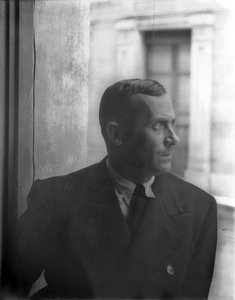
Joan Miró
1893 - 1983 , Hiszpania
Krótka nota
- Artistic Movement Or Style: Surrealizm
- Artists Who Influenced This Artist:
- Pablo Picasso
- Wasilij Kandinskij
- Date Of Birth: 20 kwietnia 1893
- Date Of Death: 25 grudnia 1983
- Full Name: Joan Miró i Ferrà
- Nationality: Hiszpanka
- Notable Artworks:
- Farm
- Dutch Interiors
- Painting
- Place Of Birth: Barcelona, Hiszpania
Powiązane artykuły

Neo-Abstract Art Trend Forecast: High-Impact Geometric Compositions for Contemporary Commercial Interiors
Elevate commercial interiors with Neo-Abstract art. Discover how high-impact geometric compositions and custom oil reproductions provide scalable, sophisticated design solutions for hotels, restaurants, and corporate spaces. Expert procurement for large-scale hospitality projects.


