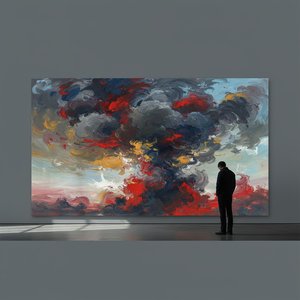
Acrylic On Canvas.

§ 1Catalogue data

Ten utwór podlega ochronie prawem autorskim
Dzieło sztuki prezentowane na tej stronie podlega ochronie prawem autorskim, co oznacza, że nie mamy prawa do tworzenia ani sprzedaży jego identycznej reprodukcji. Ochrona ta jest egzekwowana na mocy umów międzynarodowych, takich jak Konwencja berneńska oraz przez przepisy prawa krajowego, w tym te określone w Prawo autorskie USA – Tytuł 17.
Jako pełną szacunku i legalną alternatywę oferujemy personalizowane, malowane ręcznie dzieła sztuki inspirowane oryginałem. Nasi wykwalifikowani i profesjonalni artyści starannie analizują styl, nastrój oraz artystyczną esencję pierwowzoru, aby stworzyć nowe, unikalne dzieło, które przywołuje te same emocje – pozostając jednocześnie w pełni oryginalną kreacją.
Metoda ta jest w pełni zgodna z przepisami prawa autorskiego, ponieważ nie polega na kopiowaniu ani powielaniu chronionego dzieła. Stanowi ona kreatywną reinterpretację – nowy obraz, który czerpie inspirację z oryginału, ale nie jest z nim tożsamy.
 Dowiedz się więcej
§ 2Abstract
Opis obiektu
Dive into Joan Miró's surrealist masterpiece, Ubu Roi! This vibrant abstract painting explodes with biomorphic forms and Catalan folklore, reflecting the artist’s subconscious vision. Explore its interpretation & influence on modern art.
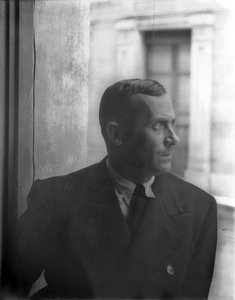
Biografia artysty
Poznaj świat Joana Miró! Odkryj Surrealizm i abstrakcję, katalońską symbolikę oraz zabawne kształty. Pionier sztuki nowoczesnej – zobacz dzieła w AllPaintingsStore!
§ 3Commentary
A Visionary Echoes Through Time
Joan Miró’s *Chez le Roi de Pologne: Ubu Roi*, plate III, stands as a testament to the enduring power of surrealism—a movement that sought to liberate art from rational constraints and tap into the subconscious realm. Executed in 1954 for Alfred Jarry’s provocative play, this lithograph embodies Miró's distinctive approach to abstraction, blending organic shapes with vibrant hues to convey a profound sense of unease and theatrical grandeur.
The Painter’s Palette: Technique and Material
Miró employed the meticulous process of lithography—a printing technique involving transferring ink from a stone onto paper—to achieve remarkable tonal precision and textural depth. The artist skillfully layered aquachete and gouache over the lithograph, creating a rich surface that captures the dynamism of his vision. Careful observation reveals subtle variations in color intensity, highlighting Miró’s meticulous attention to detail and demonstrating mastery of printmaking techniques.
Catalan Folklore and Surrealist Symbolism
The imagery within *Ubu Roi*, plate III—characterized by amorphous figures reminiscent of Catalan folklore—reflects Miró's deep connection to his homeland. These stylized forms pulsate with energy, conveying a sense of movement and disorientation that aligns perfectly with the play’s absurdist themes. Recurring motifs like spirals and circles symbolize cycles of life and death, mirroring the dramatic narrative unfolding on the canvas.
A Reflection of Jarry's Vision
Alfred Jarry’s *Ubu Roi* was a daring challenge to bourgeois morality and theatrical conventions—a deliberate provocation designed to unsettle audiences. Miró responded with an artwork that mirrors this rebellious spirit, capturing the unsettling atmosphere of the play through its bold colors and fragmented forms. The lithograph serves as a visual embodiment of Jarry’s exploration of human folly and the grotesque, cementing Miró's place within the canon of Surrealist art.
Beyond Reproduction: Experiencing Miró’s Original
While reproductions offer an accessible glimpse into Miró’s artistic genius, nothing compares to encountering the original artwork—a tangible connection to a pivotal moment in 20th-century art history. The subtle nuances of color and texture present in *Chez le Roi de Pologne: Ubu Roi*, plate III,* are impossible to fully convey through print media, underscoring the importance of preserving and appreciating Miró’s legacy.
Pytania i odpowiedzi
Z jakiej techniki wykorzystano "Ubu roi 3"?
„Ubu roi 3” wykonano w technice Acrylic On Canvas.
Gdzie można kupić ręcznie malowane reprodukcje dzieła „Ubu roi 3” – Joan Miró?
"Ubu roi 3" jest dostępny jako ręcznie malowana reprodukcja olejowa na płótnie lnianym. Zamówienie można złożyć na stronie Ręcznie malowana reprodukcja, wybierając preferowany rozmiar.
Do jakiego wnętrza polecane jest dzieło „Ubu roi 3” – Joan Miró?
Reprodukcja "Ubu roi 3" doskonale pasuje do Living Room.


 Przełącz na wydania drukowane


 W przypadku dzieł sztuki lub reprodukcji, których którykolwiek z boków przekracza 105 cm (około 41 cali), rama zostanie wysłana w formie zestawu do samodzielnego montażu. Metoda ta zapewnia bezpieczną dostawę i zapobiega uszkodzeniom podczas transportu.