

Romanticism · 1822
Cloud Study (John Constable, 1822)
Cloud Study to dzieło John Constable (1776–1837). Dzieło pochodzi z 1822. Należy do nurtu Romanticism. Wykonano w technice Oil. Przechowywane jest w Yale Center for British Art w New Haven, Stany Zjednoczone Ameryki. Wymiary to 28.6 × 48.3 cm.
- 1822
- Oil
- 28.6 × 48.3 cm
- Yale Center for British Art, New Haven

 Podgląd w skali 1:1

 Wydruk
 Wyślij jako kartkę
 Udostępnij
 Karta informacyjna


 Pobierz obraz
 Podobne obiekty
 RTG
 Pokaz slajdów
 Pytania i odpowiedzi

 Statystyki
Cloud Study: kluczowe informacje
- Tytuł
- Cloud Study
- Artysta
- John Constable (1776–1837)
- Miejsce urodzenia artysty
- East Bergholt, Wielka Brytania
- Data powstania
- 1822
- Technika wykonania
- Oil
- Wymiary
- 28.6 × 48.3 cm
- Gdzie można je zobaczyć
- Yale Center for British Art, New Haven, Stany Zjednoczone Ameryki
- Ruch
- Romanticism
- Epoka
- 19th Century
- Temat
- clouds, sky, blue sky, white clouds, gray clouds, texture
Co przedstawia Cloud Study?
Identification of Cloud Study by John Constable
Cloud Study is an oil on paper study executed by John Constable in 1821. This work focuses on the atmospheric movement of the sky, capturing the transient nature of light and vapor. It belongs to the Romanticism movement of the 19th century.
The piece is part of the Paul Mellon Collection and is currently held at the Yale Center for British Art in New Haven. It represents a period of intense observation for the artist, specifically regarding the meteorological conditions of the English landscape.
Composition and Visual Elements of the Sky
The composition focuses on atmospheric sky and cloud formations, utilizing a palette of blue, gray, and white. Swirling strokes and soft white vapor create a sense of movement across the expanse. These elements interact with cream tones and charcoal to define the shifting structures of the clouds. The arrangement emphasizes the weight and volume of the vaporous forms against the blue sky.
Texture is central to the visual experience, as the interplay of light and shadow defines the cloudscapes. While the primary focus remains on the sky, the composition includes glimpses of landscape, such as trees and dark foliage, which provide a sense of scale and grounding to the celestial activity. The interaction between the gray clouds and the lighter, white highlights suggests a dynamic, changing atmosphere.
Technique and Physical Materials Used
Executed in oil on paper laid on board, the work demonstrates a commitment to the immediacy of plein air study. The artist employs an impasto-like technique to build physical weight upon the surface, creating a tactile presence that mimics the density of vapor. These thick applications of paint allow for a direct engagement with the medium, capturing the transient nature of light and atmosphere through material substance.
The surface is defined by expressive brushstrokes and fluid, gestural movements. Layered textures emerge from the application of pigment, utilizing swirling strokes to suggest the motion of the sky. This method relies on a sophisticated handling of light and shadow to provide volume to the cloud formations. The result is a surface that prioritizes the physical reality of the paint to convey the shifting conditions of the atmosphere.
Documented Interpretations and Scholarly Debates
Scholarly discussion often centers on the extent to which meteorological science influenced the artist's approach to the sky. A significant debate concerns the impact of Luke Howard’s cloud classification system, published in the early 19th century. Some researchers suggest that familiarity with these scientific categorizations resulted in a more balanced light, increased freshness, and a heightened sense of realism in the artist's work during this period.
However, this connection remains contested. While some argue that these studies represent a shift toward scientific naturalism, others maintain that the works produced at Hampstead Heath between 1821 and 1822 were never actually utilized in later, larger compositions. This tension raises questions about the functional purpose of such studies—whether they were intended as direct preparatory tools for major landscapes or as independent investigations into the transient nature of the atmosphere.
Related Works by the Same Artist
Constable’s preoccupation with atmospheric conditions is evident in several other studies from the same period. His investigations into the sky continued through 1821 and 1822, resulting in works such as Cloud Study, Hampstead, Tree at Right (1821) and a separate Cloud Study held in the National Museum in Warsaw, dated about 1822.
His larger compositions often integrated these meteorological observations to establish a sense of place. Notable examples include The Hay Wain (1821) and Salisbury Cathedral from the Meadows (1831). These works demonstrate how his study of light and vapor informed his approach to the English landscape.
Gdzie obecnie znajduje się Cloud Study?
Yale Center for British Art
New Haven, Stany Zjednoczone Ameryki
Historia Yale Center for British Art Założony w 1966 roku, Yale Center for British Art zajmuje wyjątkowe miejsce w Nowym Havenie w stanie Connecticut, w Stanach Zjednoczonych. Instytucja ta narodziła się z niezwykłego darowizny w postaci fenomenalnej kolekcji zgromadzonej przez Paula Mellona. To właśnie ten fundament trwale przekształcił krajobraz badań nad sztuką brytyjską w tym regionie, zapewniając stały dom dziełom, które śledzą ewolucję wizualnej tożsamości narodu.


Cloud Study: pliki graficzne

John Constable, Cloud Study (1822), Yale Center for British Art. Domena publiczna
Kolory sprawdzone pod kątem zgodności z oryginałem, plik poddany profesjonalnej retuszy cyfrowej.
Kup obraz w wysokiej rozdzielczościPytania o Cloud Study
Gdzie można obecnie zobaczyć dzieło „Cloud Study” – John Constable?
„Cloud Study” – John Constable znajduje się w zbiorach Yale Center for British Art, New Haven, Stany Zjednoczone Ameryki. Informacja o muzeum dotyczy oryginału, a nie reprodukcji.
W którym roku powstało dzieło „Cloud Study” – John Constable?
Powstanie „Cloud Study” – John Constable datuje się na 1822.
W jakiej technice wykonano „Cloud Study” – John Constable?
Technika wykonania dzieła „Cloud Study” – John Constable to Oil. Reprodukcje mają na celu wierne oddanie wyglądu tej techniki.
Jakie są wymiary oryginału "Cloud Study"?
Oryginalne wymiary dzieła „Cloud Study” to 28.6 x 48.3cm. Znajomość pierwotnej skali może być pomocna przy wyborze odpowiedniego rozmiaru reprodukcji.
Co przedstawia „Cloud Study” – John Constable?
Tematyka dzieła "Cloud Study" to clouds, sky, blue sky, white clouds, gray clouds, texture.
Czy „Cloud Study” – John Constable znajduje się w domenie publicznej?
Status praw autorskich dla „Cloud Study” – John Constable: dzieło znajduje się w należy do domeny publicznej – autorskie prawa majątkowe wygasły. Określa to, czy reprodukcje obrazu mogą być sporządzane swobodnie.
Kto jest autorem dzieła "Cloud Study"?
Autorstwo dzieła "Cloud Study" przypisuje się John Constable.
Do jakiego nurtu w sztuce należy „Cloud Study” – John Constable?
„Cloud Study” to dzieło należące do nurtu Romanticism. Nurt ten określa tradycję artystyczną, w której osadzone jest dzieło.
Do którego okresu twórczości John Constable należy dzieło "Cloud Study"?
"Cloud Study" reprezentuje Mature Period twórczości John Constable.
O John Constable
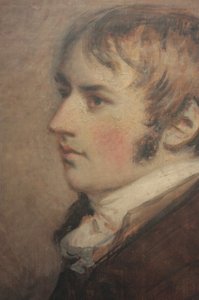
1776–1837, Wielka Brytania
John Constable
Wczesne lata, rodzina i kształcenie John Constable przyszedł na świat w 1776 roku w malowniczej wiosce East Bergholt w hrabstwie Suffolk. Był drugim synem Goldinga i Anny (Watts) Constable. Jego ojciec, zamożny handlarz zbożem i węglem, był właścicielem Flatford Mill. To nierozerwalne połączenie z rzeką i lokalnym handlem sprawiło, że rytm płynącej wody oraz nieustanny ruch towarów stały się integralną częścią codzienności jego domu.
Każde dzieło John Constable wraz z wymiarami i cenami → O artyście Słynne dzieła John Constable
Inne dzieła artysty John Constable
 Wóz na rzece1821
 Widok na katedrę w Salisbury z terenów biskupich1823
 Salisbury cathedral
 Wóz ze sianem (szczegół)1821

Artykuły o Cloud Study
 25 Must-See Masterpieces at the Yale Center for British ArtExplore 25 iconic works from Turner to Hogarth at Yale Center for British Art. Discover the full collection online at AllPaintingsStore.com.
 Ethereal Skies: The Curated Collector's Guide to Cloudscape Masterpieces and Atmospheric GrandeurDiscover the sublime beauty of cloudscape masterpieces. From Impressionist light to atmospheric depth, explore a curated journey through fi…
 Mastering the English Landscape: The 25 Best Artworks by John ConstableImmerse yourself in the soul of the English countryside with our curated guide to John Constable's top 25 masterpieces. Explore the emotive…