Gwarancja zwrotu pieniędzy · 100 dni Darmowa dostawa na cały świat
449 587dzieła sztuki 30 613artyści 4 660muzea 32język
Waluta
    Język
      Atelier · Est. 2015 · Paryż, Francja
      AllPaintingsStore
      allpaintingsstore.com
      Catalogue entry

      Dedham Vale: Morning

      1811. Oil On Canvas, 78.0 x 129.0 cm.

      Fig. 1. John Constable, Dedham Vale: Morning, 1811. Shown as the reproduction you are specifying: , .

      § 1Catalogue data

      § 2Abstract

      Opis obiektu

      John Constable (1776-1837) revolutionized landscape painting with his emotive depictions of rural England, particularly Dedham Vale. Influenced by Claude Lorrain and mentored by George Beaumont, he achieved lasting fame for his masterful observation of nature.

      Biografia artysty

      John Constable (1776-1837) – brytyjski malarz krajobrazowy, rewolucjonista gatunku. Jego emocjonalne obrazy z Suffolku, takie jak 'Wagon na siano', inspirują do podziwiania piękna natury.

      § 3Commentary

      A Symphony of Morning Light

      In the quietude of the Stour Valley, where the borders of Suffolk and Essex meet in a gentle embrace, John Constable captures a moment that transcends mere observation. Dedham Vale: Morning is not simply a landscape; it is an invitation to witness the dawn of a new era in British art. As the first light of 1811 breaks across the meadow, the viewer is greeted by a scene of profound tranquility. Grazing cows and scattered horses move through the verdant expanse, their forms softened by a luminous haze that seems to vibrate with life. There is a rhythmic pulse to this composition, a sense of the slow, agricultural cadence that defined the English countryside before the encroaching shadows of the Industrial Revolution. The painting breathes with the freshness of the morning, inviting the observer to step into a world where nature and peace are inextricably linked.

      The Revolutionary Brushstroke

      Constable’s genius lies in his refusal to be bound by the rigid, meticulous detailing of his predecessors. Instead, he embraced a revolutionary approach to atmospheric perspective, prioritizing the way light and moisture dance upon the landscape. Through masterful tonal modulation, he creates a sky that is far from static; it is a swirling, breathing entity of diffused sunlight and drifting clouds. His technique—a delicate blending of textures and colors—allows the viewer to feel the dampness of the morning dew and the warmth of the rising sun. This focus on the ephemeral, the fleeting moment of light hitting a leaf or a riverbank, marks the transition from idealized classical landscapes toward a more sincere, emotional naturalism. It is this very technique that allows the painting to function as a symphony of light, where every brushstroke contributes to a larger, harmonious whole.

      An Enduring Legacy for the Modern Collector

      For the discerning collector or interior designer, this masterpiece offers far more than mere aesthetic beauty; it provides an emotional anchor. The painting serves as a nostalgic window into a pastoral idyll, embodying the Romantic ideal of finding spiritual connection within the natural world. To hang a high-quality reproduction of Dedham Vale: Morning is to bring a sense of peace and timelessness into a space. It acts as a focal point that commands attention through its subtle complexity, making it an exquisite addition to any curated collection or sophisticated living environment. It remains a testament to Constable’s profound belief that painting is but another word for feeling, offering a perennial source of inspiration and serenity for any home seeking the touch of greatness.

      Pytania i odpowiedzi

      Czy Dedham Vale: Morning jest w ogólnym ujęciu jasny?

      Postrzegana jasność dzieła „Dedham Vale: Morning” – John Constable wynosi balanced. Można ją dopasować do oświetlenia w docelowym pomieszczeniu.

      Czy dostępna jest prezentacja w formie pokazu slajdów dla „Dedham Vale: Morning” – John Constable?

      Dostępna jest prezentacja zdjęć: strona Prezentacja slajdów dzieła „Dedham Vale: Morning” – John Constable.

      Jaki rozmiar wydruku jest zalecany dla dzieła "Dedham Vale: Morning"?

      Zalecanym rozmiarem wydruku dla dzieła "Dedham Vale: Morning" jest Large. Dostępne są również inne rozmiary o tych samych proporcjach.
      § 4The artist

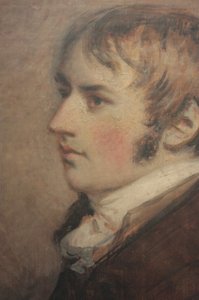
      John Constable

      John Constable

      1776 - 1837, Wielka Brytania

      Quick facts about John Constable

      • Artistic Movement Or Style: Romanticizm
      • Artists Or Movements Influenced By This Artist: ['Barbizon School']
      • Artists Who Influenced This Artist:
        • Claude Lorrain
        • Ruisdael
      • Date Of Birth: 11 czerwca 1776
      • Date Of Death: 31 marca 1837
      • Full Name: John Constable
      • Nationality: Brytyjski
      • Notable Artworks:
        • The Hay Wain
        • Hadleigh Castle
        • Salisbury Cathedral
      • Place Of Birth: East Bergholt, UK

      Biografia artysty

      A Life Rooted in the English Landscape

      John Constable, born in 1776 in the idyllic Suffolk village of East Bergholt, wasn’t merely a painter of landscapes; he was a poet of the land, translating its subtle moods and enduring beauty onto canvas with an unprecedented emotional depth. His father, a prosperous corn merchant who owned both Dedham Vale and mills along the River Stour, provided not only financial security but also the very subject matter that would define Constable’s artistic life. This early immersion in the rural world – the slow rhythm of agricultural life, the ever-changing light on fields and water, the intimate details of nature – became indelibly etched into his sensibility. While initially destined to follow his father into business, a burgeoning passion for art, nurtured by local patrons like George Beaumont who introduced him to the works of Claude Lorrain, ultimately steered him toward a different path. Constable’s artistic journey wasn’t immediate; it was a gradual unfolding, shaped by careful observation and a persistent desire to capture not just *what* he saw, but *how* it felt to be present within the landscape.

      Breaking with Convention: A New Vision of Nature

      Constable’s artistic development was marked by a deliberate rejection of prevailing academic conventions. Dissatisfied with the idealized and often theatrical landscapes favored by the Royal Academy, he sought instead a truthful representation of nature, imbued with personal feeling. He wasn't interested in grand historical narratives or mythological scenes; his focus remained steadfastly on the familiar countryside surrounding him. This commitment to depicting ordinary subjects – hay wains, farm buildings, village life – was initially met with resistance from critics who deemed his work too commonplace and lacking in ambition. However, Constable persevered, driven by a conviction that beauty resided in the everyday. He pioneered a technique of *plein air* painting, venturing outdoors to directly observe and capture the fleeting effects of light and weather. This direct engagement with nature allowed him to infuse his canvases with an immediacy and vitality previously unseen in British landscape art. His brushwork became increasingly loose and expressive, employing impasto – thick layers of paint – to create texture and convey a sense of movement and atmosphere. He wasn’t simply recording what he saw; he was translating his emotional response to the land into visual form.

      Iconic Works and Lasting Influence

      Constable's most celebrated works stand as testaments to his unique vision. The Hay Wain (1821), perhaps his most recognizable painting, depicts a quintessential rural scene on the River Stour, capturing the tranquility and harmony of agricultural life. Hadleigh Castle (1829) showcases his dramatic use of light and atmospheric effects, transforming a crumbling ruin into a powerful symbol of time’s passage. The series of paintings depicting Salisbury Cathedral from the Meadows (1823) demonstrates his ability to evoke different moods and times of day, revealing the cathedral as an integral part of the natural landscape. Netley Abbey (1824), with its evocative depiction of architectural grandeur amidst encroaching nature, exemplifies his skill in blending human creation with the wild beauty of the countryside. Despite facing initial struggles for recognition in England, Constable achieved considerable acclaim in France, where his innovative techniques and emotional depth resonated deeply with artists seeking a more naturalistic approach to landscape painting. He influenced the Barbizon School, a group of French painters who shared his commitment to *plein air* painting and direct observation of nature.

      Personal Life & Final Years

      Constable’s personal life was marked by both joy and sorrow. He married Maria Bicknell in 1816, and they had seven children, though sadly several did not survive infancy. His marriage provided him with emotional support but also financial strain. Elected a Royal Academician in 1829, he continued to face criticism from some quarters, particularly regarding his unconventional techniques. His later years were shadowed by Maria’s declining health and eventual death in 1828, an event that deeply affected him. Despite these hardships, Constable remained dedicated to his art, continuing to paint until his own passing on March 31, 1837. He left behind a rich artistic legacy—a testament to his unwavering commitment to capturing the beauty and emotional resonance of the English countryside. His paintings remain powerful evocations of a bygone era, inviting viewers to experience the landscape through his uniquely sensitive eyes.

      Influences & Artistic Development

      Constable’s artistic journey was shaped by several key influences. Initially, he was drawn to the works of Gainsborough, a fellow Suffolk painter known for his depictions of rural life and portraits. He also deeply admired the landscapes of 17th-century Dutch masters, particularly Jacob Ruisdael, whose atmospheric effects and use of light resonated with Constable’s own artistic sensibilities. The introduction to Claude Lorrain by George Beaumont proved pivotal, exposing him to the idealized beauty of classical landscapes and influencing his early compositions. However, Constable quickly moved beyond mere imitation, developing a distinctly personal style characterized by loose brushwork, vibrant colors, and an intense emotional response to nature. He was a keen observer of light and weather, meticulously studying how these elements transformed the landscape throughout the day. His dedication to *plein air* painting—working directly from nature—was revolutionary for his time, challenging the established conventions of academic art.

      A Legacy of Emotional Resonance

      John Constable’s historical significance lies not only in his artistic innovations but also in his profound impact on the development of landscape painting. He challenged academic conventions, elevated the status of ordinary subjects, and paved the way for a more personal and emotionally expressive approach to art. His emphasis on direct observation, atmospheric effects, and truthful representation of nature anticipated many of the concerns of later Impressionist painters. He demonstrated that landscape could be a vehicle for profound emotional expression, capable of evoking feelings of nostalgia, tranquility, and awe. Though he faced financial hardship throughout much of his career, and died relatively young in 1837, his legacy endures. Today, Constable is celebrated as one of Britain’s greatest artists, whose paintings continue to captivate audiences with their beauty, sincerity, and enduring power. His work serves as a poignant reminder of the profound connection between humanity and the natural world, and the transformative potential of art to capture its essence.

      § 5Comparanda

      § 6Questions

      Najważniejsze informacje

      • Movement: Romanticism
      • Medium: Oil on canvas
      • Artist: John Constable
      • Artistic style: Landscape painting
      • Influences: Claude Lorrain
      • Subject or theme: Rural England; Pastoral scene

      Quiz o sztuce

      Do każdego pytania dotyczy tylko jedna poprawna odpowiedź.

      Pytanie 1:
      What artistic movement is John Constable’s ‘Dedham Vale: Morning’ primarily associated with?
      Pytanie 2:
      The painting depicts a scene in which location?
      Pytanie 3:
      What is the dominant atmospheric element conveyed by Constable’s use of light and cloud formations?
      Pytanie 4:
      Constable's father owned what significant property that greatly influenced his artistic vision?
      Pytanie 5:
      Which artist inspired Constable to pursue painting, introducing him to the stylistic principles of Romanticism?

      § 7Cite this entry

      AllPaintingsStore.com, “John Constable, Dedham Vale: Morning (1811)”, https://allpaintingsstore.com/pl/art/john-constable-dedham-vale-morning-8XYC5Z-en/ (accessed 1 Październik 2026).

      § 8The reproduction

      Ręcznie malowana reprodukcja olejowa

      Ręcznie malowany obraz olejny na płótnie, wykonany na zamówienie przez naszych artystów w wybranym przez Ciebie wymiarze i oprawie. ( Przełącz na wydania drukowane Przejdź do wersji cyfrowej)

      It is specified on the order sheet in the margin; the present state of that sheet reads as follows.

      Dedham Vale: Morning

      Technika reprodukcji

      Wymiary reprodukcji

      -

      Wybitny mistrz artystyczny

      Większa szczegółowość, finezja i dodatkowy czas na realizację

      -

      Opcje oprawy reprodukcji

      -

      -

      W przypadku dzieł sztuki lub reprodukcji, których którykolwiek z boków przekracza 105 cm (około 41 cali), rama zostanie wysłana w formie zestawu do samodzielnego montażu. Metoda ta zapewnia bezpieczną dostawę i zapobiega uszkodzeniom podczas transportu.

      Wymagany profesjonalny montaż – nie jest to produkt typu DIY.
      Zestaw musi zostać złożony, a płótno naciągnięte przez doświadczonego profesjonalnego ramiarza, przy użyciu kleju do drewna (brak w zestawie), kleszczy do naciągania płótna oraz ścisków, które utrzymają krosna w równej pozycji podczas schnięcia kleju. Nieprawidłowy montaż lub nierównomierne napięcie płótna może trwale uszkodzić dzieło sztuki i nie podlega naszej gwarancji.

      • W zestawie znajdują się wszystkie listwy z litego drewna, precyzyjnie docięte do wymiarów.

      • Montaż odbywa się przy użyciu dołączonych wkrętów oraz kleju do drewna do łączenia narożników, którego zestaw nie zawiera i który musi zostać dostarczony przez ramiarza.

      • Wymagane są profesjonalne narzędzia, których nie ma w zestawie: kleszcze do naciągania płótna (napinacz) oraz zaciski, które pozwolą utrzymać listwy w równej pozycji podczas schnięcia kleju.

      Ważne:
      Do połączenia narożników niezbędny jest klej do drewna, listwy należy unieruchomić za pomocą ścisków do momentu całkowitego wyschnięcia kleju, a naciągnięcie płótna na złożoną ramę wymaga użycia kleszczy do naciągania płótna. Żaden z tych elementów nie jest dołączony do zestawu. Przed zamówieniem tego rozmiaru zalecamy konsultację z doświadczonym ramiarzem.

      Etykieta obiektu

      -

      -

      Lakier ochronny

      Lakier z połyskiem (pogłębia kolory, chroni przed światłem i wilgocią)

      -

      Personalizacja dzieła

      Przykłady możliwości personalizacji: zastąp twarz zdjęciem klienta; dodaj zwierzę domowe (np. zamień kota na psa); umieść ukrytą wiadomość w tle; zmień krajobraz lub elementy tła.

      -

      Ekspresowa

      Dostawa na cały świat () w ciągu 3–4 tygodni zamiast standardowych 5 tygodni. (29 Październik). Bez kompromisów w kwestii jakości.

      -

      Przesyłka ekspresowa

      Dostawa na cały świat () w ciągu 5 tygodni. (5 Listopad).

      W cenie

      Cena całkowita

      zł 993

      Included with every order

      • Bezpłatna ekspresowa wysyłka na cały świat
      • Wysokiej jakości płótno lniane
      • Pełne ubezpieczenie przesyłki
      • Gwarancja zwrotu należności celnych i podatków importowych
      • Gwarancja wiernego odwzorowania kolorów
      • 100-dniowa polityka zwrotów (tylko w przypadku wad)
      • Gwarancja 100% zwrotu pieniędzy
      • Zniżka przy zakupie wielu sztuk
      Order sheet