


 Podgląd w skali 1:1
 Wyślij jako kartkę
 Udostępnij
 Szczegóły dzieła
 Przewodnik

 Pobierz obraz
 Podobne obiekty
 RTG
RTG Pokaz slajdów
 Q&A
Q&A Statystyki
Młyn Flatford (szczegół)


 Rozwiń treść
Giclée / Wydruk artystyczny
Wydruki giclée lub płótna o jakości muzealnej, szybka realizacja i szeroki wybór opcji wykończenia. ( Zamów ręcznie malowaną reprodukcję Przejdź do wersji cyfrowej)




P118B zł10

P118H zł10

P118W zł10

P438Z zł10

P508JH zł12

P508YH zł12

P805H zł10

P805Z zł10

P919BZ zł10

P919G zł10

P919XJ zł10

P959ZH zł10

P968JZ zł12

W106C zł8

W218G zł10

W218JH zł8

W218Y zł10

W307PJ zł10

W316G zł10

W316PJ zł8

W316Y zł10

W398PJ zł8

W4111J zł10

W500HY zł15

W500JH zł15

W692G zł12

W849H zł8

W940BG zł15

W953PJ zł8




Wybierz spośród naszych standardowych rozmiarów, które zachowują oryginalne proporcje dzieła sztuki.

Wpisz wymaganą szerokość i wysokość, aby dopasować grafikę do ramy lub ściany. Wydruk można jedynie przyciąć, nigdy nie powiększając go poza oryginalny obraz, dlatego format o innych proporcjach spowoduje utratę części kompozycji. Przed rozpoczęciem druku prześlemy Ci cyfrowy podgląd do zatwierdzenia. Obraz wyświetlany na tej stronie nie pokazuje rzeczywistego przycięcia — jedynie podgląd oddaje ten efekt.
Dostawa na cały świat () w ciągu 2 tygodni zamiast standardowych 4/5 tygodni. (30 Październik)

Bezpłatna ekspresowa wysyłka na cały świat

Wysokiej jakości płótno lniane

Pełne ubezpieczenie przesyłki

Gwarancja zwrotu należności celnych i podatków importowych

Gwarancja wiernego odwzorowania kolorów

100-dniowa polityka zwrotów (tylko w przypadku wad)

Gwarancja 100% zwrotu pieniędzy

Zniżka przy zakupie wielu sztuk
 Opcja ze szkłem jest dostępna wyłącznie w rozmiarach poniżej 110 cm

Młyn Flatford (szczegół)
Giclée / Wydruk artystyczny
Wymiary reprodukcji
-


Cena całkowita
zł 246
Okno do duszy Suffolk: Odkrywając Młyn Flatford Constabla
Dzieło Johna Constabla Młyn Flatford (szczegół) to znacznie więcej niż tylko przedstawienie nadbrzeżnej scenerii; to ucieleśnienie romantycznego idealizmu, uchwycone w samym sercu wiejskiej Anglii u progu rewolucji przemysłowej. Namalowane w 1817 roku, to ikoniczne płótno wykracza poza swoją wizualną reprezentację, stając się głęboką medytacją nad potęgą natury i relacją człowieka z nią – uczuciem, które sam Constable przeżywał niezwykle mocno, dorastając wśród żyznych krajobrazów Dedham Vale. Obraz przedstawia kwintesencję angielskiego pejzażu wiejskiego, ukazując tętniący życiem młyn wzdłuż rzeki Stour. W tej pieczołowicie zaobserwowanej scenie samotny jeździec przemierza brzeg rzeki, a towarzyszące mu łodzie w ruchu tworzą poczucie życia i dynamiki, które wydaje się jednocześnie namacalne i wieczne.
Styl artysty jest głęboko zakorzeniony w luminizmie, przedkładającym efekty atmosferyczne nad precyzyjny detal, aby osiągnąć zapierający dech w piersiach realizm. Constable dokonał tego dzięki żmudnemu nakładaniu cienkich warstw laserunku, technice pozwalającej światłu głęboko przenikać przez płótno i tworzącej iluzję migotliwego blasku. Ta mistrzowska manipulacja światłem jest szczególnie widoczna w odbiciach na powierzchni wody, gdzie rzeka zdaje się oddychać wraz z niebem nad nią. Obecność psa w prawym dolnym rogu dodaje scenie elementu domowego spokoju, subtelnie wzmacniając nadrzędny temat obrazu – harmonię między człowiekiem a naturą.
Symbolizm i emocjonalny krajobraz
Poza swoim wizualnym urokiem, dzieło to jest bogate w symboliczną głębię. Sama rzeka Stour symbolizuje płynność i zmianę – wizualną reprezentację nieuchronnego upływu czasu. Jednakże Constable celowo zestawia ten dynamizm ze spokojem młynarskiego koła i postawą jeźdźca, sugerując cichy opór wobec nieuniknionych przemian. Światło, a w szczególności rozproszone promienie słoneczne przesączające się przez chmury, reprezentuje boską łaskę i rozświetla piękno krajobrazu; nie jest to jedynie oświetlenie, lecz ucieleśnienie oświecenia i duchowej kontemplacji, tak centralnych dla myśli romantycznej.
Kontekst historyczny otaczający to dzieło jest kluczowy dla zrozumienia jego głębokiego wpływu emocjonalnego. Constable zmagał się z lękiem przed nadchodzącą erą przemysłową, będąc bezpośrednim świadkiem gwałtownej transformacji wiejskiej Anglii w zmechanizowany krajobraz. Mimo to, w cieniu nadciągającego postępu, szukał ukojenia i inspiracji w trwałym pięknie świata przyrody. Dla miłośnika sztuki lub projektanta wnętrz, wprowadzenie reprodukcji tego arcydzieła do domu stanowi okazję do zachowania jego świetlistego piękna oraz zaproszenia poczucia spokoju, nostalgii i ponadczasowej więzi z naturą do każdej przestrzeni życiowej.
Pytania i odpowiedzi
Jak harmonijna jest kolorystyka dzieła „Młyn Flatford (szczegół)” – John Constable?
Kolory dzieła „Młyn Flatford (szczegół)” – John Constable wykazują Spójna paleta barw harmonię. Harmonia ta opisuje wzajemne relacje między barwami.
Jaki nastrój oddaje dzieło "Młyn Flatford (szczegół)" należące do nurtu Pejzaż romantyczny?
Spokój emocja dzieła „Młyn Flatford (szczegół)” współgra z jego stylem Pejzaż romantyczny.
Z której epoki pochodzi "Młyn Flatford (szczegół)"?
Dzieło „Młyn Flatford (szczegół)” – John Constable pochodzi z okresu – Wiek XIX. Klasyfikacja ta pozwala umiejscowić pracę w kontekście historii sztuki.
Podobne dzieła


Biografia artysty
A Life Rooted in the English Landscape
John Constable, born in 1776 in the idyllic Suffolk village of East Bergholt, wasn’t merely a painter of landscapes; he was a poet of the land, translating its subtle moods and enduring beauty onto canvas with an unprecedented emotional depth. His father, a prosperous corn merchant who owned both Dedham Vale and mills along the River Stour, provided not only financial security but also the very subject matter that would define Constable’s artistic life. This early immersion in the rural world – the slow rhythm of agricultural life, the ever-changing light on fields and water, the intimate details of nature – became indelibly etched into his sensibility. While initially destined to follow his father into business, a burgeoning passion for art, nurtured by local patrons like George Beaumont who introduced him to the works of Claude Lorrain, ultimately steered him toward a different path. Constable’s artistic journey wasn’t immediate; it was a gradual unfolding, shaped by careful observation and a persistent desire to capture not just *what* he saw, but *how* it felt to be present within the landscape.Breaking with Convention: A New Vision of Nature
Constable’s artistic development was marked by a deliberate rejection of prevailing academic conventions. Dissatisfied with the idealized and often theatrical landscapes favored by the Royal Academy, he sought instead a truthful representation of nature, imbued with personal feeling. He wasn't interested in grand historical narratives or mythological scenes; his focus remained steadfastly on the familiar countryside surrounding him. This commitment to depicting ordinary subjects – hay wains, farm buildings, village life – was initially met with resistance from critics who deemed his work too commonplace and lacking in ambition. However, Constable persevered, driven by a conviction that beauty resided in the everyday. He pioneered a technique of *plein air* painting, venturing outdoors to directly observe and capture the fleeting effects of light and weather. This direct engagement with nature allowed him to infuse his canvases with an immediacy and vitality previously unseen in British landscape art. His brushwork became increasingly loose and expressive, employing impasto – thick layers of paint – to create texture and convey a sense of movement and atmosphere. He wasn’t simply recording what he saw; he was translating his emotional response to the land into visual form.Iconic Works and Lasting Influence
Constable's most celebrated works stand as testaments to his unique vision. The Hay Wain (1821), perhaps his most recognizable painting, depicts a quintessential rural scene on the River Stour, capturing the tranquility and harmony of agricultural life. Hadleigh Castle (1829) showcases his dramatic use of light and atmospheric effects, transforming a crumbling ruin into a powerful symbol of time’s passage. The series of paintings depicting Salisbury Cathedral from the Meadows (1823) demonstrates his ability to evoke different moods and times of day, revealing the cathedral as an integral part of the natural landscape. Netley Abbey (1824), with its evocative depiction of architectural grandeur amidst encroaching nature, exemplifies his skill in blending human creation with the wild beauty of the countryside. Despite facing initial struggles for recognition in England, Constable achieved considerable acclaim in France, where his innovative techniques and emotional depth resonated deeply with artists seeking a more naturalistic approach to landscape painting. He influenced the Barbizon School, a group of French painters who shared his commitment to *plein air* painting and direct observation of nature.Personal Life & Final Years
Constable’s personal life was marked by both joy and sorrow. He married Maria Bicknell in 1816, and they had seven children, though sadly several did not survive infancy. His marriage provided him with emotional support but also financial strain. Elected a Royal Academician in 1829, he continued to face criticism from some quarters, particularly regarding his unconventional techniques. His later years were shadowed by Maria’s declining health and eventual death in 1828, an event that deeply affected him. Despite these hardships, Constable remained dedicated to his art, continuing to paint until his own passing on March 31, 1837. He left behind a rich artistic legacy—a testament to his unwavering commitment to capturing the beauty and emotional resonance of the English countryside. His paintings remain powerful evocations of a bygone era, inviting viewers to experience the landscape through his uniquely sensitive eyes.Influences & Artistic Development
Constable’s artistic journey was shaped by several key influences. Initially, he was drawn to the works of Gainsborough, a fellow Suffolk painter known for his depictions of rural life and portraits. He also deeply admired the landscapes of 17th-century Dutch masters, particularly Jacob Ruisdael, whose atmospheric effects and use of light resonated with Constable’s own artistic sensibilities. The introduction to Claude Lorrain by George Beaumont proved pivotal, exposing him to the idealized beauty of classical landscapes and influencing his early compositions. However, Constable quickly moved beyond mere imitation, developing a distinctly personal style characterized by loose brushwork, vibrant colors, and an intense emotional response to nature. He was a keen observer of light and weather, meticulously studying how these elements transformed the landscape throughout the day. His dedication to *plein air* painting—working directly from nature—was revolutionary for his time, challenging the established conventions of academic art.A Legacy of Emotional Resonance
John Constable’s historical significance lies not only in his artistic innovations but also in his profound impact on the development of landscape painting. He challenged academic conventions, elevated the status of ordinary subjects, and paved the way for a more personal and emotionally expressive approach to art. His emphasis on direct observation, atmospheric effects, and truthful representation of nature anticipated many of the concerns of later Impressionist painters. He demonstrated that landscape could be a vehicle for profound emotional expression, capable of evoking feelings of nostalgia, tranquility, and awe. Though he faced financial hardship throughout much of his career, and died relatively young in 1837, his legacy endures. Today, Constable is celebrated as one of Britain’s greatest artists, whose paintings continue to captivate audiences with their beauty, sincerity, and enduring power. His work serves as a poignant reminder of the profound connection between humanity and the natural world, and the transformative potential of art to capture its essence.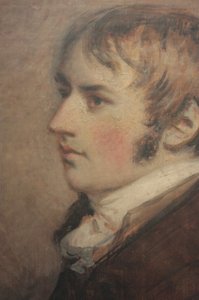
John Constable
1776 - 1837 , Wielka Brytania
Krótka nota
- Artistic Movement Or Style: Romanticizm
- Artists Or Movements Influenced By This Artist: ['Barbizon School']
- Artists Who Influenced This Artist:
- Claude Lorrain
- Ruisdael
- Date Of Birth: 11 czerwca 1776
- Date Of Death: 31 marca 1837
- Full Name: John Constable
- Nationality: Brytyjski
- Notable Artworks:
- The Hay Wain
- Hadleigh Castle
- Salisbury Cathedral
- Place Of Birth: East Bergholt, UK
Powiązane artykuły

Romantyczny Krajobraz w Malarstwie: 10 Arcydzieł, Które Zdefiniowały Epokę | AllPaintingsStore.com
Odkryj 10 arcydzieł romantyzmu w malarstwie! Poznaj historie Caspara Davida Friedricha, Turnera i innych mistrzów. Inspiracje wnętrzarskie & reprodukcje obrazów najwyższej jakości na AllPaintingsStore.com. Eksploruj kolekcję online!

Evocations of Place: A Historical Journey Through Landscape Art
Explore the rich history of landscape art with AllPaintingsStore. Discover renowned artists, movements like Impressionism & Romanticism, and expert guidance for collecting timeless pieces. Find your perfect serene escape today!
John Constable: 25 Najlepszych Obrazów Mistrza Angielskiego Krajobrazu | AllPaintingsStore
Odkryj 25 arcydzieł Johna Constable'a – mistrza angielskiego krajobrazu! Poznaj romantyczne pejzaże, technikę malarską i inspiracje z Dedham Vale. Reprodukcje obrazów najwyższej jakości na AllPaintingsStore.com. Eksploruj pełną kolekcję online!

Echa Miejsca: Historyczna Podróż przez Sztukę Krajobrazu
Odkryj historię sztuki krajobrazu – od romantycznych wizji Friedricha po surrealistyczne pejzaże Dalego. Analizy, inspiracje i reprodukcje obrazów najwyższej jakości na AllPaintingsStore.com.

The Hudson River School: A Definitive Guide to America's Romantic Landscape Tradition
Explore the profound legacy of the Hudson River School. Discover how masters like Thomas Cole captured the American sublime through Romanticism and Luminism. A definitive guide for art historians and collectors seeking to understand America's wild beauty.


