


 Podgląd w skali
 Wyślij jako kartkę
 Udostępnij
 Szczegóły dzieła

 Pobierz
 Podobne obiekty
 RTG
RTG Pokaz slajdów
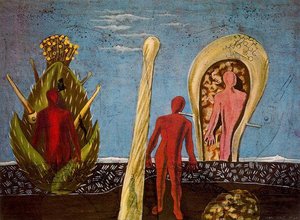
Settle Accounts


 Rozwiń treść
Giclée / Wydruk artystyczny
Druk giclée lub płótno o jakości muzealnej, szybka realizacja i szeroki wybór opcji wykończenia. ( Zamów ręcznie malowaną reprodukcję Kup obraz wysokiej rozdzielczości)




































Wybierz spośród naszych standardowych rozmiarów, które zachowują oryginalne proporcje dzieła sztuki.

Możesz wprowadzić własne wymiary, aby dopasować dzieło do konkretnej ramy lub przestrzeni. Jeśli wybrany rozmiar nie będzie odpowiadał proporcjom oryginalnego obrazu, przytniecie dzieło lub rozszerzymy obraz za pomocą odbicia lustrzanego lub jednolitego wypełnienia krawędzi. Przed rozpoczęciem produkcji prześlemy cyfrową wizualizację do Twojej akceptacji.
Prosimy pamiętać, że podgląd na ekranie nie odzwierciedla faktycznego przycinania ani rozszerzania. Tylko wizualizacja dokładnie pokaże końcową kompozycję.
Mimo dostępności niestandardowych rozmiarów, zalecamy wybór wymiaru z listy zdefiniowanej, aby zachować oryginalne proporcje.
Dostawa na cały świat () w ciągu 2 tygodni zamiast standardowych 4/5 tygodni. (19 Sierpień)

Bezpłatna ekspresowa wysyłka na cały świat

Wysokiej jakości płótno lniane

Pełne ubezpieczenie przesyłki

Gwarancja zwrotu należności celnych i podatków importowych

Gwarancja wiernego odwzorowania kolorów

Polityka 60-dniowego zwrotu (tylko w przypadku wad)

Gwarancja 100% zwrotu kosztów

Zniżka przy zamówieniu wielu produktów
 Opcja ze szkłem jest dostępna wyłącznie w rozmiarach poniżej 110 cm

Settle Accounts
Giclée / Wydruk artystyczny
Wymiary reprodukcji
-


Cena całkowita
$ 64
Podobne dzieła




O artyście
The Architect of Agitprop: The Revolutionary Vision of John Heartfield
Helmut Herzfeld, the man who would forever be known to history as John Heartfield, did not merely create art; he forged a weapon. Born in Berlin in 1891 into a family of fervent socialist activists, his very identity was shaped by the political tremors of the German Empire. In a profound act of early defiance against the rising tide of German nationalism, he anglicized his name, shedding "Herzfeld" for "Heartfield"—a symbolic severance from the nationalist fervor that would eventually consume his homeland. This early commitment to political identity set the stage for a career defined by the radical use of the image to dismantle the machinery of deception. His artistic evolution was inextricably linked to the chaotic, avant-garde energy of the Dada movement in Berlin. While many of his contemporaries sought refuge in abstraction or pure aesthetic experimentation, Heartfield found his calling in the visceral reality of the streets and the printed press. He became a pioneer of photomontage, a technique that would become his signature. By meticulously cutting, layering, and reassembling fragments of photographs, newsprint, and typography, he bypassed the traditional boundaries of fine art to engage directly with the mass media of his era. This was not merely collage; it was a surgical intervention into the visual language of propaganda.The Scissors as a Weapon of Truth
Heartfield’s mastery lay in his ability to use the very tools of mass communication—the glossy photographs and sensationalist headlines of the daily press—to expose the rot beneath the surface of the burgeoning Nazi regime. His work for the left-wing workers' daily, Arbeiter Illustrierte Zeitung (AIET), stands as a monumental achievement in political satire. He possessed a singular ability to create jarring, often grotesque imagery that forced the viewer to confront uncomfortable truths. In his hands, the camera’s supposed "truth" was subverted; he used the photographic fragment to reveal the hypocrisy of leaders and the predatory nature of capital. One cannot contemplate his legacy without reflecting on the profound psychological impact of his compositions. His work often utilized a technique of Verfremdungseffekt, or alienation, much like the theater of his contemporary, Bertolt Brecht. By presenting familiar symbols in distorted, impossible contexts, he stripped them of their intended power. Consider the chilling brilliance of his ability to transform a political figure into a monstrous caricature through nothing more than the strategic placement of a swastika or a gold coin. His art was designed to shock the conscience, to provoke outrage, and ultimately, to incite critical thought in an age of rising totalitarianism.Exile, Return, and Enduring Legacy
The escalating brutality of the Third Reich eventually forced Heartfield into a life of displacement. As the shadows of Nazism lengthened across Europe, he fled first to Prague and later to London, carrying his revolutionary spirit into exile. Despite the physical distance from Berlin, his creative output remained a steadfast critique of the regime that had sought to silence him. His work during these years continued to bridge the gap between graphic design and political activism, influencing book jacket designs for authors like Upton Sinclair and contributing to the visual landscape of resistance. After the devastation of World War II, Heartfield returned to East Germany, where he continued to refine his craft and influence new generations of artists. His historical significance transcends the boundaries of art history; he remains a foundational figure in the development of political graphic design and modern montage. Through his uncompromising dedication to the truth, John Heartfield proved that the artist's role is not always to reflect beauty, but often to hold up a fractured mirror to society, demanding that we see the world as it truly is, rather than how propaganda seeks to portray it.- Pioneer of Photomontage: Revolutionized the use of fragmented imagery for political commentary.
- Dadaist Icon: A central figure in the Berlin Dada movement, using art as a tool for social critique.
- Anti-Fascist Crusader: Created some of the most powerful visual indictments of the Nazi regime in history.
- Graphic Innovator: Blended typography, photography, and text to redefine the boundaries of mass media art.

John Heartfield
1891 - 1968 , Germany
Krótka nota
- Artistic Movement Or Style: Dadaism
- Artists Or Movements Influenced By This Artist: ['Propaganda Art']
- Artists Who Influenced This Artist: ['George Grosz']
- Date Of Birth: 1891 Berlin Germany
- Date Of Death: 1968 East Berlin Germany
- Full Name: Helmut Herzfeld
- Nationality: German
- Notable Artworks:
- Ilya Ehrenburg. Most Sacred Possessions
- Vsevolod Ivanov. The Letter G
- Place Of Birth: Berlin Germany



