Gwarancja zwrotu pieniędzy · 100 dni Darmowa dostawa na cały świat
449 587dzieła sztuki 30 613artyści 4 660muzea 32język
Catalogue entry

Group with Parasols

1905. Oil On Canvas.

Fig. 1. John Singer Sargent, Group with Parasols, 1905. Shown as the reproduction you are specifying: , .

§ 1Catalogue data

§ 2Abstract

Opis obiektu

Experience Sargent's 'Group with Parasols,' a luminous Impressionist painting capturing a serene summer scene of leisure and friendship in the Italian Alps.

Biografia artysty

John Singer Sargent – amerykański malarz i portrecista z epoki Złotych Lwów. Znany z luksusowych portretów, pejzaży i impresjonistycznego stylu. Jego dzieła fascynują do dziś.

§ 3Commentary

Subject Matter: A Moment of Leisure

John Singer Sargent's "Group with Parasols," painted in 1905, captures an idyllic scene of leisure and relaxation amidst the beauty of nature. The artwork depicts a group of four figures – Dos Palmer, Lillian Mellor, Leonard Harrison (nicknamed “Ginx”), and Peter Harrison – resting in a grassy meadow under the shade of parasols. They are situated against a backdrop of lush foliage and distant mountains, evoking a sense of tranquility and escape from the bustling world. The composition is not a formal portrait but rather an impressionistic snapshot of a carefree moment shared among friends during a summer holiday in the Italian Alps. Sargent masterfully portrays their relaxed postures and attire, conveying a feeling of ease and contentment.

Artistic Style: Impressionism at its Finest

"Group with Parasols" exemplifies Sargent's mastery of the Impressionist style. The painting is characterized by loose brushstrokes, vibrant colors, and an emphasis on capturing fleeting moments of light and atmosphere. Rather than meticulously detailing every feature, Sargent uses broken lines and dabs of color to suggest form and texture. This technique creates a sense of movement and energy, drawing the viewer into the scene and evoking the feeling of being present in that sun-drenched meadow. The interplay of light and shadow is particularly striking, with dappled sunlight filtering through the foliage, creating a dynamic interplay of highlights and deep shadows. Sargent’s ability to balance composition and color, as noted on AllPaintingsStore.com, makes this painting a prime example of his artistic skill.

Technique and Materials

The artwork is an oil painting on canvas, allowing for rich colors and subtle gradations of tone. Sargent's technique involves layering paint to build up color and texture, creating a luminous effect. The visible brushstrokes contribute to the overall impressionistic feel, emphasizing the spontaneity and immediacy of the scene. According to Wikipedia, light plays a crucial role in painting, affecting the viewer’s perception of color, texture, and volume. In "Group with Parasols," Sargent masterfully uses light to create a sense of depth and atmosphere, drawing the viewer's eye through the composition. The use of oil paints allows for blending and layering, creating a soft, feathery effect that enhances the overall impressionistic quality of the work.

Historical Context and Symbolism

Created during the Edwardian era, "Group with Parasols" reflects the leisure activities and social customs of the upper class. It captures a moment of respite from the demands of society, showcasing a group of friends enjoying a carefree summer holiday. The parasols themselves symbolize protection from the sun and a sense of privacy within the natural world. The painting also hints at a complex personal relationship between some of the figures depicted; as noted by the Metropolitan Museum of Art, there was a romantic connection between Peter Harrison and Dos Palmer that might have been considered unconventional for the time. Symbolically, the artwork represents leisure, social interaction, and the beauty of nature – themes that resonated with audiences during the early 20th century.

Emotional Impact and Legacy

"Group with Parasols" evokes a sense of serenity, warmth, and nostalgia. The relaxed postures of the figures, combined with the dappled sunlight and lush greenery, create an atmosphere of tranquility and contentment. The painting’s beauty lies in its ability to transport the viewer to a serene and peaceful world, one that is full of light, color, and life. As a masterpiece of Impressionism, it continues to inspire and captivate art lovers to this day. Handmade oil paintings reproductions of "Group with Parasols" are available on AllPaintingsStore.com, allowing art lovers to own a piece of history and bring the beauty of Sargent's work into their homes.

Pytania i odpowiedzi

W jaki sposób kontrast i harmonia łączą się w "Group with Parasols"?

W "Group with Parasols" Statement kontrast łączy się z Discordant Palette harmonią.

Gdzie mogę kupić ręcznie malowaną reprodukcję dzieła „Group with Parasols” – John Singer Sargent?

Ręcznie malowaną reprodukcję dzieła „Group with Parasols” – John Singer Sargent można zamówić bezpośrednio na stronie Ręcznie malowana reprodukcja: ręcznie malowana reprodukcja olejowa na płótnie lnianym, tworzoną na specjalne zamówienie.

Czy „Group with Parasols” – John Singer Sargent to znane dzieło sztuki?

"Group with Parasols" jest klasyfikowane jako Iconic.
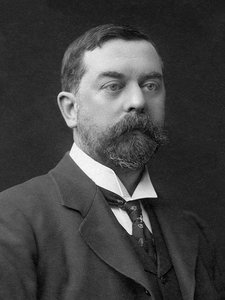
§ 4The artist

John Singer Sargent

John Singer Sargent

1856 - 1925, Włochy

Quick facts about John Singer Sargent

  • Artistic Movement Or Style: Impressionizm
  • Artists Or Movements Influenced By This Artist: ['Whistler']
  • Artists Who Influenced This Artist:
    • Carolus-Duran
    • Velázquez
  • Date Of Birth: 12 stycznia 1856
  • Date Of Death: 15 kwietnia 1925
  • Full Name: John Singer Sargent
  • Nationality: Amerykanin
  • Notable Artworks:
    • Madame X
    • El Jaleo
    • Carnation, Lily, Lily, Rose
  • Place Of Birth: Florencja, Włochy

Biografia artysty

A Life Immersed in Light and Society

John Singer Sargent, a name synonymous with the Gilded Age and its shimmering portraits of elegance, was an American artist who spent most of his life cultivating his craft within the European art world. Born in Florence, Italy, in 1856 to American expatriate parents, Fitzwilliam and Mary Newbold Sargent, his upbringing was anything but conventional. The family’s nomadic existence – constantly traversing France, Germany, Italy, and Switzerland – instilled in young John a cosmopolitan sensibility and an early exposure to the artistic treasures of Europe. Rather than formal schooling, his education unfolded within museum halls and ancient churches, fostering a visual literacy that would profoundly shape his artistic vision. This itinerant childhood, while lacking traditional structure, provided a rich tapestry of cultural experiences that fueled his developing talent. His father, a surgeon, and his mother, an amateur artist, encouraged his inclinations, recognizing early on the remarkable acuity of his observational skills. It was clear from a young age that John’s path lay not in medicine or conventional pursuits, but within the realm of art.

From Parisian Atelier to Portrait Master

In 1874, at the age of eighteen, Sargent embarked on a pivotal chapter of his artistic development by entering the Paris studio of Carolus-Duran. This mentorship proved transformative. Duran’s emphasis on *direct painting* – a technique eschewing preliminary sketches in favor of immediate application of paint to canvas – honed Sargent's already impressive technical facility and instilled within him an astonishing ability to capture likenesses with speed and precision. It was a revolutionary approach, encouraging boldness and spontaneity, and it became the hallmark of Sargent’s style. He absorbed Duran’s lessons wholeheartedly, mastering the art of capturing not just physical resemblance but also the very essence of his sitters. Simultaneously, he enrolled at the École des Beaux-Arts, further refining his skills in drawing from casts and life models. However, it was the influence of Spanish masters like Velázquez, encountered during a formative trip to Spain in 1879, that truly ignited Sargent’s artistic imagination. He became captivated by Velázquez’s masterful use of light, brushwork, and psychological insight – qualities he would strive to emulate throughout his career.

Navigating Fame, Scandal, and Artistic Evolution

Sargent quickly established himself as a sought-after portraitist in Paris, attracting commissions from the city’s elite. However, his ascent was not without its challenges. The unveiling of *Madame X* (Portrait of Madame Pierre Gautreau) at the 1884 Salon ignited a scandal that threatened to derail his burgeoning career. The painting's daring depiction of socialite Virginie Amélie Avegno Gautreau – with her pale complexion, suggestive pose, and fallen strap – was deemed provocative and scandalous by Parisian society. Though Sargent later repainted the strap, the damage was done. Disheartened by the controversy, he relocated to London in 1886, where he found a more receptive audience for his talents. In London, he continued to paint portraits of the wealthy and prominent, capturing the opulence and social dynamics of Edwardian society with unparalleled skill. Yet, Sargent’s artistic ambitions extended beyond the confines of commissioned portraiture. He yearned for greater creative freedom and increasingly devoted himself to landscape painting and plein-air studies, embracing an Impressionistic style characterized by loose brushwork, vibrant colors, and a focus on capturing fleeting moments of light and atmosphere. These landscapes reveal a different side of Sargent – one less concerned with social status and more attuned to the beauty of the natural world.

Influences and Artistic Kinships

  • Carolus-Duran: His teacher, who instilled in him a direct painting technique and encouraged spontaneity.
  • Diego Velázquez: Sargent deeply admired Velázquez’s mastery of light, brushwork, and psychological insight, particularly evident in his Spanish works.
  • Impressionism: The Impressionists' emphasis on capturing fleeting moments and atmospheric effects profoundly impacted his landscape paintings, leading to a looser, more expressive style.
  • James Abbott McNeill Whistler: Sargent shared with Whistler an interest in aestheticism and the pursuit of “art for art’s sake,” influencing his approach to composition and color.

A Lasting Legacy: Beyond Portraiture

While celebrated as “the leading portrait painter of his generation,” John Singer Sargent’s artistic legacy extends far beyond his masterful depictions of society figures. His major works, such as *El Jaleo*, a dynamic portrayal of Spanish flamenco dancers, and *Carnation, Lily, Lily, Rose*, a serene depiction of two young girls in an English garden, demonstrate his versatility and technical brilliance. Later in life, he embarked on ambitious mural projects, including the monumental cycle at the Boston Public Library, showcasing his ability to translate his artistic vision onto a grand scale. His influence can be seen in the work of subsequent generations of artists who admired his technical skill, his bold brushwork, and his ability to capture both physical likeness and psychological depth. The rediscovery of his previously hidden male nudes in the 1980s further broadened our understanding of Sargent’s artistic range and revealed a more complex and nuanced artist than previously recognized. His paintings continue to captivate audiences worldwide, offering a fascinating glimpse into a bygone era while simultaneously transcending time through their enduring beauty and technical mastery. He remains, undeniably, one of the most significant American artists of his generation, whose work continues to inspire and provoke admiration.

§ 5Comparanda

§ 6Questions

Najważniejsze informacje

  • Subject or theme: Leisure and relaxation outdoors
  • Year: 1905
  • Location: Private Collection
  • Movement: Impressionism
  • Artist: John Singer Sargent

Quiz o sztuce

Do każdego pytania dotyczy tylko jedna poprawna odpowiedź.

Pytanie 1:
What artistic movement is John Singer Sargent’s "Group with Parasols" most closely associated with?
Pytanie 2:
According to the description, what is a key element that Sargent masterfully uses in this painting?
Pytanie 3:
What year was "Group with Parasols" created?
Pytanie 4:
Based on the image description, what is a prominent characteristic of Sargent's brushwork in this painting?

§ 7Cite this entry

AllPaintingsStore.com, “John Singer Sargent, Group with Parasols (1905)”, https://allpaintingsstore.com/pl/art/john-singer-sargent-group-with-parasols-8BWSXT-en/ArtistReproduction/ (accessed 4 Październik 2026).

§ 8The reproduction

Ręcznie malowana reprodukcja olejowa

Ręcznie malowany obraz olejny na płótnie, wykonany na zamówienie przez naszych artystów w wybranym przez Ciebie wymiarze i oprawie. ( Przełącz na wydania drukowane Przejdź do wersji cyfrowej)

It is specified on the order sheet in the margin; the present state of that sheet reads as follows.

Group with Parasols

Technika reprodukcji

Wymiary reprodukcji

-

Wybitny mistrz artystyczny

Większa szczegółowość, finezja i dodatkowy czas na realizację

-

Opcje oprawy reprodukcji

-

-

W przypadku dzieł sztuki lub reprodukcji, których którykolwiek z boków przekracza 105 cm (około 41 cali), rama zostanie wysłana w formie zestawu do samodzielnego montażu. Metoda ta zapewnia bezpieczną dostawę i zapobiega uszkodzeniom podczas transportu.

Wymagany profesjonalny montaż – nie jest to produkt typu DIY.
Zestaw musi zostać złożony, a płótno naciągnięte przez doświadczonego profesjonalnego ramiarza, przy użyciu kleju do drewna (brak w zestawie), kleszczy do naciągania płótna oraz ścisków, które utrzymają krosna w równej pozycji podczas schnięcia kleju. Nieprawidłowy montaż lub nierównomierne napięcie płótna może trwale uszkodzić dzieło sztuki i nie podlega naszej gwarancji.

  • W zestawie znajdują się wszystkie listwy z litego drewna, precyzyjnie docięte do wymiarów.

  • Montaż odbywa się przy użyciu dołączonych wkrętów oraz kleju do drewna do łączenia narożników, którego zestaw nie zawiera i który musi zostać dostarczony przez ramiarza.

  • Wymagane są profesjonalne narzędzia, których nie ma w zestawie: kleszcze do naciągania płótna (napinacz) oraz zaciski, które pozwolą utrzymać listwy w równej pozycji podczas schnięcia kleju.

Ważne:
Do połączenia narożników niezbędny jest klej do drewna, listwy należy unieruchomić za pomocą ścisków do momentu całkowitego wyschnięcia kleju, a naciągnięcie płótna na złożoną ramę wymaga użycia kleszczy do naciągania płótna. Żaden z tych elementów nie jest dołączony do zestawu. Przed zamówieniem tego rozmiaru zalecamy konsultację z doświadczonym ramiarzem.

Etykieta obiektu

-

-

Lakier ochronny

Lakier z połyskiem (pogłębia kolory, chroni przed światłem i wilgocią)

-

Personalizacja dzieła

Przykłady możliwości personalizacji: zastąp twarz zdjęciem klienta; dodaj zwierzę domowe (np. zamień kota na psa); umieść ukrytą wiadomość w tle; zmień krajobraz lub elementy tła.

-

Ekspresowa

Dostawa na cały świat () w ciągu 3–4 tygodni zamiast standardowych 5 tygodni. (1 Listopad). Bez kompromisów w kwestii jakości.

-

Przesyłka ekspresowa

Dostawa na cały świat () w ciągu 5 tygodni. (8 Listopad).

W cenie

Cena całkowita

zł 1393

Included with every order

  • Bezpłatna ekspresowa wysyłka na cały świat
  • Wysokiej jakości płótno lniane
  • Pełne ubezpieczenie przesyłki
  • Gwarancja zwrotu należności celnych i podatków importowych
  • Gwarancja wiernego odwzorowania kolorów
  • 100-dniowa polityka zwrotów (tylko w przypadku wad)
  • Gwarancja 100% zwrotu pieniędzy
  • Zniżka przy zakupie wielu sztuk
Order sheet