

Palms
1917. Oil On Canvas. Worcester Art Museum.

§ 1Catalogue data


§ 2Abstract
Opis obiektu
Admire John Singer Sargent’s serene depiction of palm trees against a vibrant blue sky in ‘Palms,’ a masterful Impressionist watercolor capturing tranquility and natural beauty.
 Rozwiń treść
Biografia artysty
John Singer Sargent – amerykański malarz i portrecista z epoki Złotych Lwów. Znany z luksusowych portretów, pejzaży i impresjonistycznego stylu. Jego dzieła fascynują do dziś.
§ 3Commentary
Palms: A Symphony of Light and Tranquility by John Singer Sargent
John Singer Sargent’s “Palms,” painted in 1917, is more than just a depiction of palm trees; it's an immersive experience of light, color, and the serene beauty of the tropics. This captivating work, now housed within the Worcester Art Museum, exemplifies Sargent’s mastery of Impressionism, capturing not merely what he saw but how he *felt* observing this exotic scene. The painting immediately draws the viewer in with its vibrant palette – a bold interplay of cerulean blues and greens that evoke the vastness of the sky and the lush foliage of the palm trees. It's a testament to Sargent’s ability to translate fleeting moments into enduring works of art, imbued with a palpable sense of tranquility.
Impressionistic Technique & Graphite Mastery
Sargent’s technique in “Palms” is characterized by loose, expressive brushstrokes and a deliberate layering of color. He doesn't attempt to render the palm trees with photographic precision; instead, he utilizes graphite – a surprisingly effective medium for capturing the delicate textures and shimmering light effects. The varying heights and positions of the trees create a dynamic sense of depth, drawing the eye into the scene’s expansive space. Notice how the graphite lines aren’t simply outlines but are used to build up tonal variations, suggesting the play of sunlight filtering through the leaves. This meticulous attention to detail, combined with his loose brushwork, creates an impressionistic effect that is both vibrant and remarkably realistic.
Symbolism & The Allure of the Exotic
The palm trees themselves hold a rich symbolic weight. Often associated with paradise, leisure, and exotic locales, they represent escape and tranquility – themes frequently explored in Sargent’s work. “Palms” was created during a period when travel to far-flung destinations was becoming increasingly accessible to the wealthy elite, fueling a fascination with the “Orient.” The painting speaks to this desire for respite from the pressures of Victorian society, offering a glimpse into a world of sun-drenched beauty and effortless grace. The grassy area in the foreground further emphasizes this sense of idyllic escape.
A Legacy of Light & Color – Inspired by Sargent’s Vision
“Palms” stands as a prime example of Sargent's ability to capture the essence of light and atmosphere. His work has influenced generations of artists, and its impact can be seen in countless landscapes and still-life paintings. The painting’s enduring appeal lies not only in its technical brilliance but also in its emotional resonance – it invites us to pause, breathe deeply, and appreciate the simple beauty of nature. As a reproduction, this artwork offers a window into Sargent's world, allowing you to experience his vision of paradise firsthand.
To learn more about John Singer Sargent and explore other remarkable works from his collection, visit here. You can also discover the Worcester Art Museum and other notable museums like The Baltimore Museum of Art.
Pytania i odpowiedzi
Czy w „Palms” – John Singer Sargent zastosowano silne kontrasty czy raczej łagodne harmonie?
W "Palms" Statement kontrast łączy się z Discordant Palette harmonią.
Z jakiego okresu pochodzi „Palms” – John Singer Sargent?
„Palms” – John Singer Sargent pochodzi z okresu 19th Century. Epoka ta stanowi kontekst historyczny dla tego dzieła.
Czy Palms jest w ogólnym ujęciu jasny?
Pod względem postrzeganej jasności, „Palms” – John Singer Sargent jest brilliant.
§ 4The artist
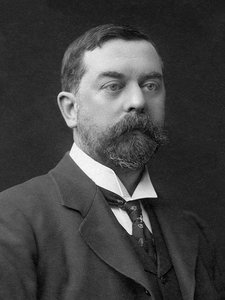
John Singer Sargent
1856 - 1925, Włochy
Krótka nota
- Artistic Movement Or Style: Impressionizm
- Artists Or Movements Influenced By This Artist: ['Whistler']
- Artists Who Influenced This Artist:
- Carolus-Duran
- Velázquez
- Date Of Birth: 12 stycznia 1856
- Date Of Death: 15 kwietnia 1925
- Full Name: John Singer Sargent
- Nationality: Amerykanin
- Notable Artworks:
- Madame X
- El Jaleo
- Carnation, Lily, Lily, Rose
- Place Of Birth: Florencja, Włochy
Biografia artysty
A Life Immersed in Light and Society
John Singer Sargent, a name synonymous with the Gilded Age and its shimmering portraits of elegance, was an American artist who spent most of his life cultivating his craft within the European art world. Born in Florence, Italy, in 1856 to American expatriate parents, Fitzwilliam and Mary Newbold Sargent, his upbringing was anything but conventional. The family’s nomadic existence – constantly traversing France, Germany, Italy, and Switzerland – instilled in young John a cosmopolitan sensibility and an early exposure to the artistic treasures of Europe. Rather than formal schooling, his education unfolded within museum halls and ancient churches, fostering a visual literacy that would profoundly shape his artistic vision. This itinerant childhood, while lacking traditional structure, provided a rich tapestry of cultural experiences that fueled his developing talent. His father, a surgeon, and his mother, an amateur artist, encouraged his inclinations, recognizing early on the remarkable acuity of his observational skills. It was clear from a young age that John’s path lay not in medicine or conventional pursuits, but within the realm of art.From Parisian Atelier to Portrait Master
In 1874, at the age of eighteen, Sargent embarked on a pivotal chapter of his artistic development by entering the Paris studio of Carolus-Duran. This mentorship proved transformative. Duran’s emphasis on *direct painting* – a technique eschewing preliminary sketches in favor of immediate application of paint to canvas – honed Sargent's already impressive technical facility and instilled within him an astonishing ability to capture likenesses with speed and precision. It was a revolutionary approach, encouraging boldness and spontaneity, and it became the hallmark of Sargent’s style. He absorbed Duran’s lessons wholeheartedly, mastering the art of capturing not just physical resemblance but also the very essence of his sitters. Simultaneously, he enrolled at the École des Beaux-Arts, further refining his skills in drawing from casts and life models. However, it was the influence of Spanish masters like Velázquez, encountered during a formative trip to Spain in 1879, that truly ignited Sargent’s artistic imagination. He became captivated by Velázquez’s masterful use of light, brushwork, and psychological insight – qualities he would strive to emulate throughout his career.Navigating Fame, Scandal, and Artistic Evolution
Sargent quickly established himself as a sought-after portraitist in Paris, attracting commissions from the city’s elite. However, his ascent was not without its challenges. The unveiling of *Madame X* (Portrait of Madame Pierre Gautreau) at the 1884 Salon ignited a scandal that threatened to derail his burgeoning career. The painting's daring depiction of socialite Virginie Amélie Avegno Gautreau – with her pale complexion, suggestive pose, and fallen strap – was deemed provocative and scandalous by Parisian society. Though Sargent later repainted the strap, the damage was done. Disheartened by the controversy, he relocated to London in 1886, where he found a more receptive audience for his talents. In London, he continued to paint portraits of the wealthy and prominent, capturing the opulence and social dynamics of Edwardian society with unparalleled skill. Yet, Sargent’s artistic ambitions extended beyond the confines of commissioned portraiture. He yearned for greater creative freedom and increasingly devoted himself to landscape painting and plein-air studies, embracing an Impressionistic style characterized by loose brushwork, vibrant colors, and a focus on capturing fleeting moments of light and atmosphere. These landscapes reveal a different side of Sargent – one less concerned with social status and more attuned to the beauty of the natural world.Influences and Artistic Kinships
- Carolus-Duran: His teacher, who instilled in him a direct painting technique and encouraged spontaneity.
- Diego Velázquez: Sargent deeply admired Velázquez’s mastery of light, brushwork, and psychological insight, particularly evident in his Spanish works.
- Impressionism: The Impressionists' emphasis on capturing fleeting moments and atmospheric effects profoundly impacted his landscape paintings, leading to a looser, more expressive style.
- James Abbott McNeill Whistler: Sargent shared with Whistler an interest in aestheticism and the pursuit of “art for art’s sake,” influencing his approach to composition and color.
A Lasting Legacy: Beyond Portraiture
While celebrated as “the leading portrait painter of his generation,” John Singer Sargent’s artistic legacy extends far beyond his masterful depictions of society figures. His major works, such as *El Jaleo*, a dynamic portrayal of Spanish flamenco dancers, and *Carnation, Lily, Lily, Rose*, a serene depiction of two young girls in an English garden, demonstrate his versatility and technical brilliance. Later in life, he embarked on ambitious mural projects, including the monumental cycle at the Boston Public Library, showcasing his ability to translate his artistic vision onto a grand scale. His influence can be seen in the work of subsequent generations of artists who admired his technical skill, his bold brushwork, and his ability to capture both physical likeness and psychological depth. The rediscovery of his previously hidden male nudes in the 1980s further broadened our understanding of Sargent’s artistic range and revealed a more complex and nuanced artist than previously recognized. His paintings continue to captivate audiences worldwide, offering a fascinating glimpse into a bygone era while simultaneously transcending time through their enduring beauty and technical mastery. He remains, undeniably, one of the most significant American artists of his generation, whose work continues to inspire and provoke admiration.§ 5Comparanda
Podobne dzieła


§ 6Questions
§ 7Further reading
Powiązane artykuły

John Constable: 25 Najlepszych Obrazów Mistrza Angielskiego Krajobrazu | AllPaintingsStore
Odkryj 25 arcydzieł Johna Constable'a – mistrza angielskiego krajobrazu! Poznaj romantyczne pejzaże, technikę malarską i inspiracje z Dedham Vale. Reprodukcje obrazów najwyższej jakości na AllPaintingsStore.com. Eksploruj pełną kolekcję online!
Paul Cézanne: 25 Arcydzieł, które Zrewolucjonizowały Świat Sztuki | AllPaintingsStore
Odkryj 25 arcydzieł Paula Cézanne'a – od impresjonizmu po postimpresjonizm. Poznaj historie, techniki i inspiracje malarza, który zrewolucjonizował sztukę. Reprodukcje obrazów najwyższej jakości na AllPaintingsStore.com!
John Singer Sargent: 25 Arcydzieł Pełnych Elegancji i Światła | AllPaintingsStore.com
Odkryj 25 arcydzieł Johna Singera Sargenta – mistrza portretu i impresjonizmu. Poznaj historie, techniki i inspiracje za jego najsłynniejszymi obrazami. Reprodukcje najwyższej jakości na AllPaintingsStore.com. Eksploruj pełną kolekcję online!

John Singer Sargent: Capturing the Gilded Age with Impressionistic Brilliance
Explore the life & art of John Singer Sargent, premier portraitist of the Gilded Age. Discover his Impressionistic masterpieces, technical brilliance, and enduring legacy. Expert insights for collectors.

Romantyczny Krajobraz w Malarstwie: 10 Arcydzieł, Które Zdefiniowały Epokę | AllPaintingsStore.com
Odkryj 10 arcydzieł romantyzmu w malarstwie! Poznaj historie Caspara Davida Friedricha, Turnera i innych mistrzów. Inspiracje wnętrzarskie & reprodukcje obrazów najwyższej jakości na AllPaintingsStore.com. Eksploruj kolekcję online!
Cite this entry
AllPaintingsStore.com, “John Singer Sargent, Palms (1917)”, https://allpaintingsstore.com/pl/art/john-singer-sargent-palms-8YDLC6-en/ArtistReproduction/ (accessed 1 Październik 2026).
§ 8The reproduction
Ręcznie malowana reprodukcja olejowa
Ręcznie malowany obraz olejny na płótnie, wykonany na zamówienie przez naszych artystów w wybranym przez Ciebie wymiarze i oprawie. ( Przełącz na wydania drukowane Przejdź do wersji cyfrowej)
It is specified on the order sheet in the margin; the present state of that sheet reads as follows.

Palms
Technika reprodukcji
Wymiary reprodukcji
-

Wybitny mistrz artystyczny
Większa szczegółowość, finezja i dodatkowy czas na realizację
-

Opcje oprawy reprodukcji
-
-
W przypadku dzieł sztuki lub reprodukcji, których którykolwiek z boków przekracza 105 cm (około 41 cali), rama zostanie wysłana w formie zestawu do samodzielnego montażu. Metoda ta zapewnia bezpieczną dostawę i zapobiega uszkodzeniom podczas transportu.
Wymagany profesjonalny montaż – nie jest to produkt typu DIY.
Zestaw musi zostać złożony, a płótno naciągnięte przez doświadczonego profesjonalnego ramiarza, przy użyciu kleju do drewna (brak w zestawie), kleszczy do naciągania płótna oraz ścisków, które utrzymają krosna w równej pozycji podczas schnięcia kleju. Nieprawidłowy montaż lub nierównomierne napięcie płótna może trwale uszkodzić dzieło sztuki i nie podlega naszej gwarancji.
 W przypadku dzieł sztuki lub reprodukcji, których którykolwiek z boków przekracza 105 cm (około 41 cali), rama zostanie wysłana w formie zestawu do samodzielnego montażu. Metoda ta zapewnia bezpieczną dostawę i zapobiega uszkodzeniom podczas transportu.
W zestawie znajdują się wszystkie listwy z litego drewna, precyzyjnie docięte do wymiarów.
Montaż odbywa się przy użyciu dołączonych wkrętów oraz kleju do drewna do łączenia narożników, którego zestaw nie zawiera i który musi zostać dostarczony przez ramiarza.
Wymagane są profesjonalne narzędzia, których nie ma w zestawie: kleszcze do naciągania płótna (napinacz) oraz zaciski, które pozwolą utrzymać listwy w równej pozycji podczas schnięcia kleju.
Ważne:
Do połączenia narożników niezbędny jest klej do drewna, listwy należy unieruchomić za pomocą ścisków do momentu całkowitego wyschnięcia kleju, a naciągnięcie płótna na złożoną ramę wymaga użycia kleszczy do naciągania płótna. Żaden z tych elementów nie jest dołączony do zestawu. Przed zamówieniem tego rozmiaru zalecamy konsultację z doświadczonym ramiarzem.

Etykieta obiektu
-
-

Lakier ochronny
Lakier z połyskiem (pogłębia kolory, chroni przed światłem i wilgocią)
-

Personalizacja dzieła
Przykłady możliwości personalizacji: zastąp twarz zdjęciem klienta; dodaj zwierzę domowe (np. zamień kota na psa); umieść ukrytą wiadomość w tle; zmień krajobraz lub elementy tła.
-

Ekspresowa
Dostawa na cały świat () w ciągu 3–4 tygodni zamiast standardowych 5 tygodni. (29 Październik). Bez kompromisów w kwestii jakości.
-
Przesyłka ekspresowa
Dostawa na cały świat () w ciągu 5 tygodni. (5 Listopad).
W cenie
Cena całkowita
zł 993
Included with every order
- Bezpłatna ekspresowa wysyłka na cały świat
- Wysokiej jakości płótno lniane
- Pełne ubezpieczenie przesyłki
- Gwarancja zwrotu należności celnych i podatków importowych
- Gwarancja wiernego odwzorowania kolorów
- 100-dniowa polityka zwrotów (tylko w przypadku wad)
- Gwarancja 100% zwrotu pieniędzy
- Zniżka przy zakupie wielu sztuk


