


 Zobacz w skali 1:1
 Wyślij
 Udostępnij
 Szczegóły
 Guide
Guide

 Pobierz plik obrazu
 Podobne obiekty
 RTG
RTG Pokaz slajdów
 Statystyki
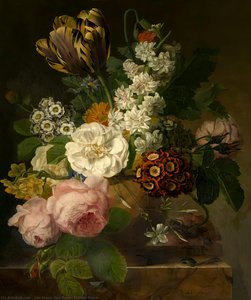
Still Life With Camellias - Primroses And Lily Of The Valley ....n By A Goldfish Bowl
 Czytaj więcej
Ręcznie malowana reprodukcja olejowa
Ręcznie malowany obraz olejny na płótnie, wykonany na zamówienie przez naszych artystów w wybranym przez Ciebie wymiarze i oprawie. ( Przełącz na wersję drukowaną Przełącz na wersję cyfrową)




































Wybierz spośród naszych standardowych rozmiarów, które zachowują oryginalne proporcje dzieła sztuki.

Możesz wprowadzić własne wymiary, aby dopasować obraz do konkretnej ramy lub przestrzeni. Jeśli wybrany rozmiar nie będzie odpowiadał proporcjom oryginału, przytniecie dzieło sztuki lub rozszerzymy je o dodatkowe elementy, ręcznie domalowane przez artystę. Przed rozpoczęciem produkcji wyślemy projekt cyfrowy do Twojej akceptacji.
Należy pamiętać, że podgląd na ekranie nie odzwierciedla rzeczywistego przycinania ani rozszerzania obrazu. Tylko projekt dokładnie pokaże ostateczną kompozycję.
Choć oferujemy możliwość zamówienia niestandardowych rozmiarów, zalecamy wybór wymiaru z gotowej listy, aby zachować oryginalne proporcje dzieła.
Po złożeniu zamówienia zespół AllPaintingsStore.com skontaktuje się z klientem drogą mailową w celu uzyskania instrukcji i prześle wizualizację projektu
Dostawa na całym świecie () w ciągu 3–4 tygodni zamiast standardowych 5 tygodni. (21 Wrzesień). Bez kompromisów w kwestii jakości.

Bezpłatna ekspresowa wysyłka na cały świat

Wysokiej jakości płótno lniane

Pełne ubezpieczenie transportowe

Gwarancja zwrotu należności celnych i podatków importowych

Gwarancja idealnego odwzorowania barw

100-dniowy okres na zwrot dzieła w przypadku wykrycia wad produkcyjnych

Gwarancja 100% zwrotu pieniędzy

Oferta przy zakupie wielu sztuk
 Opcja ze szkłem jest dostępna wyłącznie w rozmiarach poniżej 110 cm

Still Life With Camellias - Primroses And Lily Of The Valley ....n By A Goldfish Bowl
Technika wykonania
Rozmiar reprodukcji
-


Suma do zapłaty
$ 258
Podobne dzieła



Biografia artysty
A Birmingham Bloom: The Life and Art of John Wainwright
John Wainwright, active between 1845 and 1873, remains a somewhat enigmatic figure in the landscape of Victorian painting. While his life details are sparsely documented, his delicate still lifes—particularly those featuring lush floral arrangements—offer a compelling glimpse into the aesthetic sensibilities of mid-19th century England. Born in Birmingham in 1845, Wainwright’s career unfolded during a period of significant artistic change, bridging the gap between traditional academic styles and the burgeoning influence of movements like the Newlyn School. He wasn't a revolutionary artist pushing boundaries; rather, he was a skilled practitioner who captured beauty with remarkable precision, appealing to a growing middle-class market eager for refined depictions of domestic life and natural elegance. The Tate collection holds several examples of his work, providing valuable insight into his artistic practice.Early Influences and Artistic Development
The early influences on Wainwright’s style are difficult to pinpoint definitively, but the prevailing academic traditions of the time undoubtedly played a role. Birmingham in the mid-19th century was a thriving industrial center, yet it also fostered a vibrant cultural scene with art societies and local exhibitions. It is likely that Wainwright received some form of formal training, though records remain elusive. However, his work reveals a clear mastery of light and shadow, meticulous attention to detail, and a sophisticated understanding of composition—qualities often associated with academic painting. A notable aspect of his development was the apparent influence of the Newlyn School artists. While not directly affiliated with the colony in Cornwall, Wainwright’s paintings share a similar focus on naturalism and an intimate portrayal of everyday subjects. His floral still lifes, in particular, echo the Newlyn painters' commitment to depicting scenes from life, albeit translated into a more refined and decorative idiom. The use of rich color palettes and textured brushwork suggests a keen observation of nature and a desire to capture its fleeting beauty.The Floral Still Life: A Signature Style
Wainwright is best known for his exquisite still lifes, dominated by arrangements of flowers, often camellias, roses, and other blooms popular in Victorian gardens. These paintings are not merely decorative exercises; they possess a quiet emotional resonance that speaks to the Victorian fascination with symbolism and sentimentality. Flowers were laden with meaning during this period—camellias representing admiration and love, roses signifying passion and beauty, and lilies embodying purity and innocence. Wainwright skillfully employed these symbolic associations, creating compositions that evoke a sense of longing, nostalgia, or romantic affection. His technique is characterized by a remarkable attention to detail, capturing the delicate texture of petals, the subtle variations in color, and the play of light on surfaces. He often arranged his flowers in simple vases or bowls, allowing their natural beauty to take center stage. The backgrounds are typically dark and neutral, further emphasizing the vibrancy and form of the floral arrangements.Beyond Flowers: Portraits and Victorian Scenes
While Wainwright’s still lifes represent his most recognizable work, he also painted portraits and scenes depicting aspects of Victorian life. These paintings, though less numerous than his floral compositions, demonstrate his versatility as an artist. His portraits are characterized by a similar attention to detail and a refined sense of realism, capturing the likenesses of his sitters with sensitivity and grace. The Victorian scenes offer glimpses into domestic interiors and everyday activities, reflecting the social customs and aesthetic preferences of the time. These works reveal Wainwright’s ability to capture not only physical appearances but also the atmosphere and emotional nuances of his subjects.Legacy and Historical Significance
John Wainwright's career was tragically cut short by his death in 1873 at the young age of twenty-eight. Despite his brief artistic life, he left behind a body of work that continues to captivate viewers with its beauty and refinement. While not widely celebrated during his lifetime, his paintings have gained increasing recognition in recent years as scholars and collectors rediscover the richness and diversity of Victorian art. His legacy lies in his ability to capture the fleeting beauty of nature and translate it into enduring works of art. Wainwright’s still lifes offer a valuable insight into the aesthetic sensibilities of mid-19th century England, reflecting the Victorian fascination with symbolism, sentimentality, and domestic life. He stands as a testament to the skill and artistry of lesser-known Victorian painters who contributed significantly to the cultural landscape of their time.
john wainwright
1845 - 1873 , United Kingdom
Najważniejsze informacje
- Artistic Movement Or Style: Victorian Still Life
- Artists Or Movements Influenced By This Artist: ['Victorian painting']
- Artists Who Influenced This Artist: ['Newlyn artists']
- Date Of Birth: 1845
- Date Of Death: 1873
- Full Name: John Wainwright
- Nationality: British
- Notable Artworks:
- Floral Still Life
- Still Life with Fruit & Goldfish
- Place Of Birth: Birmingham, UK

