Zobacz w skali 1:1
 Wyślij
 Udostępnij
 Szczegóły
 Guide
Guide

 Pobierz plik obrazu
 Podobne obiekty
 RTG
RTG Pokaz slajdów
 Statystyki
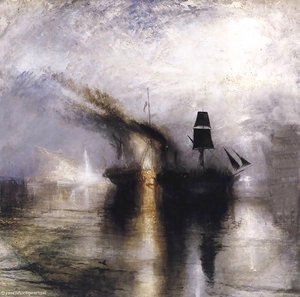
The Fighting 'Temeraire' Tugged to Her Last Berth to be Broken Up
 Olej na płótnie
- Sztuka ścienna
- Romanticism
 1838
1838 91.0 x 122.0 cm
 Narodowa Galeria Sztuki
 Czytaj więcej
Ręcznie malowana reprodukcja olejowa
Ręcznie malowany obraz olejny na płótnie, wykonany na zamówienie przez naszych artystów w wybranym przez Ciebie wymiarze i oprawie. ( Przełącz na wersję drukowaną Przełącz na wersję cyfrową)




P118B $10

P118H $10

P118W $10

P438Z $10

P508JH $12

P508YH $12

P805H $10

P805Z $10

P919BZ $10

P919G $10

P919XJ $10

P959ZH $10

P968JZ $12

W106C $8

W218G $10

W218JH $8

W218Y $10

W307PJ $10

W316G $10

W316PJ $8

W316Y $10

W398PJ $8

W4111J $10

W500HY $15

W500JH $15

W692G $12

W849H $8

W940BG $15

W953PJ $8




Wybierz spośród naszych standardowych rozmiarów, które zachowują oryginalne proporcje dzieła sztuki.

Możesz wprowadzić własne wymiary, aby dopasować obraz do konkretnej ramy lub przestrzeni. Jeśli wybrany rozmiar nie będzie odpowiadał proporcjom oryginału, przytniecie dzieło sztuki lub rozszerzymy je o dodatkowe elementy, ręcznie domalowane przez artystę. Przed rozpoczęciem produkcji wyślemy projekt cyfrowy do Twojej akceptacji.
Należy pamiętać, że podgląd na ekranie nie odzwierciedla rzeczywistego przycinania ani rozszerzania obrazu. Tylko projekt dokładnie pokaże ostateczną kompozycję.
Choć oferujemy możliwość zamówienia niestandardowych rozmiarów, zalecamy wybór wymiaru z gotowej listy, aby zachować oryginalne proporcje dzieła.
Po złożeniu zamówienia zespół AllPaintingsStore.com skontaktuje się z klientem drogą mailową w celu uzyskania instrukcji i prześle wizualizację projektu
Dostawa na całym świecie () w ciągu 3–4 tygodni zamiast standardowych 5 tygodni. (21 Wrzesień). Bez kompromisów w kwestii jakości.

Bezpłatna ekspresowa wysyłka na cały świat

Wysokiej jakości płótno lniane

Pełne ubezpieczenie transportowe

Gwarancja zwrotu należności celnych i podatków importowych

Gwarancja idealnego odwzorowania barw

100-dniowy okres na zwrot dzieła w przypadku wykrycia wad produkcyjnych

Gwarancja 100% zwrotu pieniędzy

Oferta przy zakupie wielu sztuk
 Opcja ze szkłem jest dostępna wyłącznie w rozmiarach poniżej 110 cm

The Fighting 'Temeraire' Tugged to Her Last Berth to be Broken Up
Technika wykonania
Rozmiar reprodukcji
-


Suma do zapłaty
$ 258
A Moment Frozen in Time: The Dramatic Narrative of Turner’s ‘Temeraire’
William Turner’s “The Fighting 'Temeraire' Tugged to Her Last Berth to be Broken Up” isn’t merely a painting; it’s a poignant elegy for an era. Completed in 1838, this monumental canvas captures a profoundly moving scene – the final journey of HMS *Temeraire*, a veteran warship that had bravely fought at Trafalgar, towards its inevitable dismantling. The image resonates with a deep sense of loss and transition, reflecting not just the decline of sail-powered naval power but also the broader anxieties surrounding industrial progress and the displacement of traditional ways of life. Turner masterfully utilizes light and color to evoke a powerful emotional response, drawing the viewer into this tableau of fading glory.
The composition itself is meticulously crafted to amplify the painting’s dramatic effect. The *Temeraire*, rendered in shades of grey and blue, stands as a proud but decaying monument against the turbulent sky. Its towering masts and tattered sails speak volumes about its storied past, while the smaller tugboat, representing the burgeoning age of steam, pulls it inexorably towards the horizon. The choppy water, reflecting the fiery hues of the setting sun, adds to the sense of movement and urgency, suggesting a relentless march toward oblivion. The inclusion of figures in the foreground – likely shipyard workers and onlookers – provides a human scale to this monumental event, grounding the scene in reality and intensifying our empathy for the ship’s fate.
The Language of Light: Turner's Romantic Technique
Turner was a pioneer in his use of light and color, and “The Fighting 'Temeraire’” is arguably one of his most compelling demonstrations of this technique. He eschewed precise detail in favor of capturing the *feeling* of a scene – the atmosphere, the mood, the very essence of the moment. The painting is dominated by a dramatic interplay of light and shadow, with the warm glow of the setting sun bathing the sky in vibrant oranges and yellows, contrasting sharply with the cool blues and greys of the ship and water. This dynamic use of color isn’t simply decorative; it's integral to the painting’s emotional impact, conveying a sense of both beauty and melancholy.
Turner’s brushwork is loose and expressive, contributing to the painting’s overall dynamism. He employed a technique known as ‘impasto,’ applying thick layers of paint directly to the canvas, creating a palpable texture that adds depth and physicality to the scene. This visible application of paint further emphasizes the immediacy and energy of the moment, inviting the viewer to feel as though they are witnessing this event unfold before their eyes. The layering of colors and textures creates an almost three-dimensional effect, pulling us into the heart of the drama.
Symbolism and Historical Context: A Reflection on Progress
Beyond its immediate visual appeal, “The Fighting 'Temeraire’” is rich in symbolism. The *Temeraire* represents a bygone era of naval prowess and romantic heroism – a time when ships were symbols of national pride and maritime adventure. Its impending destruction signifies the end of an age, as steam power gradually replaced sail, rendering these majestic warships obsolete. The tugboat, representing industrial progress, pulls the ship towards its fate, symbolizing the inexorable march of modernity. This juxtaposition of tradition and innovation creates a powerful tension within the painting, prompting us to contemplate the costs of progress and the loss of cherished heritage.
Painted in 1838, shortly after the Napoleonic Wars concluded, the work reflects Turner’s broader fascination with the changing landscape of Britain. He was deeply concerned about the impact of industrialization on traditional ways of life and sought to capture these anxieties in his art. The painting serves as a poignant reminder of the sacrifices made by those who served in the Royal Navy and a meditation on the ephemeral nature of human achievement.
A Timeless Masterpiece: Reproduction Possibilities
AllPaintingsStore offers meticulously crafted, hand-painted reproductions of “The Fighting 'Temeraire' Tugged to Her Last Berth to be Broken Up,” allowing you to bring this iconic artwork into your home or office. Our skilled artists faithfully recreate Turner’s masterful use of light and color, ensuring that the painting’s emotional impact is preserved in every detail. Whether you are an art enthusiast, a collector, or simply seeking a stunning piece of décor, our reproductions provide a beautiful and authentic representation of this timeless masterpiece. Explore our collection today and experience the power and beauty of Turner's vision.
Podobne dzieła


Biografia artysty
The Luminary of Light: A Journey Through the Life and Art of J.M.W. Turner
Joseph Mallord William Turner, a name synonymous with the sublime power of landscape and the evocative dance of light, remains one of Britain’s most celebrated and influential artists. Born in Covent Garden, London, in 1775, Turner's journey from a barber’s son to a master painter was fueled by an innate talent, relentless dedication, and a visionary spirit that would forever alter the course of art history. From his earliest days sketching architectural details to his later, almost abstract explorations of atmosphere and color, Turner consistently pushed the boundaries of artistic expression.
His formal training began at the Royal Academy Schools in 1789, where he quickly distinguished himself as a promising student. However, Turner was not content with merely replicating established styles; he sought to capture the very essence of nature – its raw power, its fleeting beauty, and its inherent drama. Early works reveal a meticulous attention to topographical detail, reflecting the prevailing artistic tastes of the time. Yet, even in these early pieces, hints of his future direction are visible—a sensitivity to light and shadow, a willingness to experiment with color, and an emerging fascination with the sublime.
The Evolution of a Visionary: From Topography to Transcendence
Turner’s artistic development was marked by constant experimentation and a growing desire to move beyond mere representation. Influenced by masters like Claude Lorrain and J.M.W. Cozens, he began to infuse his landscapes with a romantic sensibility, emphasizing emotional response over precise depiction. His travels throughout Europe, beginning in 1802, proved pivotal, exposing him to diverse landscapes and inspiring new approaches to composition and color. He wasn’t simply recording what he saw; he was interpreting it through the lens of his own unique vision.
The early 19th century witnessed a shift in Turner's style towards greater expressiveness. His seascapes, in particular, became increasingly dramatic, capturing the fury and majesty of the ocean with unprecedented intensity. Paintings like “The Fighting Temeraire Tugged to Her Last Berth to Be Broken Up” (1839) are not merely depictions of a ship being towed to its final resting place; they are poignant meditations on mortality, loss, and the relentless march of progress. The use of light in this work is particularly striking—a golden sunset casting a melancholic glow over the scene, symbolizing the passing of an era.
A Master of Atmosphere: Light, Color, and the Sublime
Turner’s later works are characterized by an almost radical departure from traditional artistic conventions. He increasingly prioritized atmosphere and color over form and detail, creating paintings that seem to dissolve into pure light and energy. Works like “Rain, Steam and Speed – The Great Western Railway” (1844) exemplify this approach—a swirling vortex of color and motion that captures the dynamism of the industrial age. Critics were often baffled by these later works, but their influence on subsequent generations of artists would prove profound.
He was a pioneer in exploring the effects of light and atmosphere, anticipating the Impressionists’ focus on capturing fleeting moments and subjective perceptions. His use of color was equally innovative—bold, vibrant hues applied with loose brushstrokes to create a sense of movement and energy. Turner wasn't simply painting landscapes; he was attempting to convey the very *feeling* of being in nature – the awe, the wonder, the terror.
Notable Works & Collections
- The Morning After the Deluge (1843): A powerful depiction of nature’s forces, housed in the Tate Collection, London.
- Chichester Canal (1828): Commissioned by George Wyndham, currently at the Tate Collection.
- Ruins of Tintern Abbey: A stunning watercolor showcasing his mastery of light and atmosphere, found in the Calouste Gulbenkian Museum (Lisboa, Portugal).
- The Fighting Temeraire Tugged to Her Last Berth to Be Broken Up (1839): A poignant masterpiece exploring themes of loss and change.
- Rain, Steam and Speed – The Great Western Railway (1844): Capturing the dynamism of the industrial age with swirling color and motion.
Legacy and Influence: The Painter Who Changed Painting
J.M.W. Turner’s legacy extends far beyond his prolific output—over 550 oil paintings, 2,000 watercolors, and 30,000 works on paper. He left an indelible mark on the history of art, influencing countless artists who followed in his footsteps. The Impressionists, particularly Claude Monet, were deeply inspired by Turner’s exploration of light and color, while abstract expressionists like Mark Rothko acknowledged their debt to his atmospheric compositions.
Turner's willingness to challenge conventions, his relentless experimentation, and his unwavering commitment to artistic vision continue to resonate with artists and art lovers today. He remains a pivotal figure in the development of modern art, a true visionary who transformed the way we see and experience the world around us. His works are housed in major museums worldwide, including the Tate Britain in London, where visitors can immerse themselves in the luminous beauty and profound emotional depth of his extraordinary paintings.

Józef Mallord William Turner
1775 - 1851 , Wielka Brytania
Najważniejsze informacje
- Artistic Movement Or Style: Romantyzm
- Artists Or Movements Influenced By This Artist: ['Impressionizm']
- Date Of Birth: 23 kwietnia 1775
- Date Of Death: 19 grudnia 1851
- Full Name: Joseph Mallord William Turner
- Nationality: Wielkobritsky
- Notable Artworks:
- Zachód słońca
- Deszcz, para
- Place Of Birth: Londyn, Wielka Brytania
Zobacz także powiązane artykuły

Nautical Oil Paintings: A Procurement Guide to Premium Maritime Art for Large-Scale Commercial & Hospitality Projects
Optimize large-scale hospitality projects with premium nautical oil paintings. APS offers efficient bulk procurement of maritime art, featuring multi-panel layouts, custom sizing, and reliable global shipping for hotel designers and procurement managers seeking high-volume reliability.