


 Zobacz w skali 1:1
 Wyślij
 Udostępnij
 Szczegóły
 Guide
Guide

 Pobierz plik obrazu
 Podobne obiekty
 RTG
RTG Pokaz slajdów
 Statystyki
Sacrificio di Isacco (Caravaggio)
 Olej na płótnie
- Sztuka ścienna
- Baroque
 1601
1601- Wczesna nowożytność
 104.0 x 135.0 cm
 Galleria degli Uffizi
 Czytaj więcej
Ręcznie malowana reprodukcja olejowa
Ręcznie malowany obraz olejny na płótnie, wykonany na zamówienie przez naszych artystów w wybranym przez Ciebie wymiarze i oprawie. ( Przełącz na wersję drukowaną Przełącz na wersję cyfrową)




P118B $10

P118H $10

P118W $10

P438Z $10

P508JH $12

P508YH $12

P805H $10

P805Z $10

P919BZ $10

P919G $10

P919XJ $10

P959ZH $10

P968JZ $12

W106C $8

W218G $10

W218JH $8

W218Y $10

W307PJ $10

W316G $10

W316PJ $8

W316Y $10

W398PJ $8

W4111J $10

W500HY $15

W500JH $15

W692G $12

W849H $8

W940BG $15

W953PJ $8




Wybierz spośród naszych standardowych rozmiarów, które zachowują oryginalne proporcje dzieła sztuki.

Możesz wprowadzić własne wymiary, aby dopasować obraz do konkretnej ramy lub przestrzeni. Jeśli wybrany rozmiar nie będzie odpowiadał proporcjom oryginału, przytniecie dzieło sztuki lub rozszerzymy je o dodatkowe elementy, ręcznie domalowane przez artystę. Przed rozpoczęciem produkcji wyślemy projekt cyfrowy do Twojej akceptacji.
Należy pamiętać, że podgląd na ekranie nie odzwierciedla rzeczywistego przycinania ani rozszerzania obrazu. Tylko projekt dokładnie pokaże ostateczną kompozycję.
Choć oferujemy możliwość zamówienia niestandardowych rozmiarów, zalecamy wybór wymiaru z gotowej listy, aby zachować oryginalne proporcje dzieła.
Po złożeniu zamówienia zespół AllPaintingsStore.com skontaktuje się z klientem drogą mailową w celu uzyskania instrukcji i prześle wizualizację projektu
Dostawa na całym świecie () w ciągu 3–4 tygodni zamiast standardowych 5 tygodni. (21 Wrzesień). Bez kompromisów w kwestii jakości.

Bezpłatna ekspresowa wysyłka na cały świat

Wysokiej jakości płótno lniane

Pełne ubezpieczenie transportowe

Gwarancja zwrotu należności celnych i podatków importowych

Gwarancja idealnego odwzorowania barw

100-dniowy okres na zwrot dzieła w przypadku wykrycia wad produkcyjnych

Gwarancja 100% zwrotu pieniędzy

Oferta przy zakupie wielu sztuk
 Opcja ze szkłem jest dostępna wyłącznie w rozmiarach poniżej 110 cm

Sacrificio di Isacco (Caravaggio)
Technika wykonania
Rozmiar reprodukcji
-


Suma do zapłaty
$ 283
A Moment Suspended: Unveiling Caravaggio’s *The Sacrifice of Isaac*
Caravaggio's 1601 masterpiece, *The Sacrifice of Isaac*, is a visceral and profoundly moving depiction of one of the most dramatic narratives in the Old Testament. Housed within the esteemed Galleria degli Uffizi in Florence, this oil on canvas (104 x 135 cm) continues to captivate viewers with its raw emotionality and revolutionary artistic approach. It’s a painting that demands contemplation, inviting observers to grapple with themes of faith, sacrifice, and human vulnerability—elements that resonate powerfully across centuries.Biblical Narrative & Historical Context
The painting illustrates the biblical story of God’s test of Abraham's faith – a command to sacrifice his beloved son, Isaac. Created during the Counter-Reformation, Caravaggio’s interpretation resonated with the era’s emphasis on religious fervor and personal piety. However, unlike earlier depictions that often glorified the divine intervention, Caravaggio focuses intensely on the *human* drama of the moment – Abraham's internal struggle and Isaac’s resigned expression. This deliberate rejection of idealized representations was a bold departure from Mannerist conventions, establishing Caravaggio as a pioneer of Baroque realism. The narrative itself speaks to universal anxieties about obedience, duty, and the confrontation with divine authority—questions that continue to provoke discussion and interpretation today.A Masterclass in Baroque Realism
Caravaggio’s style is immediately recognizable for its dramatic realism and groundbreaking use of light and shadow—a technique known as *tenebrism*. He eschewed idealized forms, instead portraying his figures with unflinching honesty, revealing their age, imperfections, and emotional turmoil. This departure from Mannerist conventions was revolutionary. The composition isn't grand or sweeping; it’s intimate and claustrophobic, drawing the viewer directly into the heart of the scene. Consider the positioning of Abraham and Isaac—they are placed centrally within a shallow space, maximizing the impact of Caravaggio’s masterful use of chiaroscuro. This technique is not merely decorative; it serves as a crucial element in conveying the psychological tension inherent in the biblical drama.Decoding the Artistic Technique
- Chiaroscuro & Tenebrism: The stark contrast between intensely lit areas and deep shadows isn’t merely aesthetic; it heightens the emotional tension, focusing our attention on Abraham's hand with the knife and Isaac’s resigned expression. It creates a theatrical spotlight effect that draws the eye to the central action.
- Naturalistic Detail: Note the meticulous rendering of textures – the rough fabric of Abraham’s clothing, the smooth skin of Isaac, and even the subtle details of their hands. This commitment to realism grounds the scene in tangible reality—a characteristic hallmark of Caravaggio's oeuvre.
- Compositional Focus: The figures are tightly grouped, almost filling the canvas, which amplifies the sense of immediacy and psychological pressure. The angel’s arm, reaching down from the darkness, acts as a powerful diagonal line that disrupts the impending act—a deliberate compositional choice designed to heighten drama.
- Direct Observation: Caravaggio famously worked directly from life models, eschewing preparatory sketches. This approach lends an unparalleled authenticity to his figures and underscores his dedication to capturing human emotion with uncompromising accuracy.
Symbolism & Emotional Resonance
Beyond the literal depiction of the biblical story, *The Sacrifice of Isaac* is rich in symbolism. Abraham’s aged face and hesitant posture suggest not triumphant faith, but agonizing internal conflict—a reflection of humanity's struggle to reconcile divine will with personal desire. Isaac’s youthful vulnerability underscores the tragedy of the potential loss—a poignant reminder of innocence confronted by inescapable fate. The angel isn’t portrayed as a radiant being, but as a human figure emerging from shadow – a subtle yet powerful representation of divine intervention that feels both immediate and relatable. The painting evokes feelings of fear, sorrow, faith, and ultimately, relief—a complex tapestry of emotions woven together with breathtaking artistic skill.A Lasting Legacy & Collecting Considerations
*The Sacrifice of Isaac* is a cornerstone of Baroque art, profoundly influencing generations of artists. Its dramatic intensity, psychological depth, and innovative technique continue to inspire awe and admiration. For collectors and interior designers seeking a statement piece that embodies both artistic mastery and emotional power, a high-quality reproduction of this work offers an opportunity to bring a fragment of art history into any space. The painting’s somber palette and powerful imagery lend themselves well to a variety of interiors, adding depth and sophistication to both traditional and contemporary settings—a testament to Caravaggio's enduring influence on visual culture. Photo Description: --Overall Impression-- The artwork is a dramatic oil painting depicting the biblical scene of Isaac's sacrifice by his father Abraham. It’s characterized by intense emotionality and a stark realism typical of Caravaggio’s style. The composition is dynamic, with figures clustered closely together in the foreground, creating a sense of immediacy and urgency. Light plays a crucial role, dramatically illuminating the central action while casting deep shadows that heighten the scene's tension. Lines are used to define strong contours and create a sense of volume, particularly in the figures’ musculature and drapery. Shapes are predominantly organic – human forms, animal shapes (the ram), and natural elements like trees and mountains. Textures appear smooth due to the oil paint technique, but there is also a visible layering that contributes to the depth. The lighting is chiaroscuro, with strong contrasts between light and dark areas, emphasizing key details and creating a theatrical effect. Perspective is somewhat flattened, focusing on the immediate action rather than strict spatial realism. Depth is suggested through atmospheric perspective – distant elements are rendered in paler tones. The subject matter is religious and symbolic, representing faith, obedience, and divine will. Symbolic elements include the ram offered as a substitute for Isaac, highlighting Abraham’s willingness to sacrifice his son. Emotionally, the painting evokes feelings of fear, sorrow, faith, and acceptance. The style is Baroque, emphasizing drama and emotional intensity. The technique involves meticulous brushwork and layering of oil paint to achieve rich colors and textures. Materials used are primarily oil paints on canvas. Size: 104 x 135 cm Date: 1601 ARTIST INFORMATION: ================== Artist: Caravaggio Birth Year: 1571 Death Year: 1610 Birth City: Milan Birth Country: Spain Biography:A Life Forged in Shadow and Light
Michelangelo Merisi da Caravaggio (also Michele Angelo Merigi or Amerighi da Caravaggio; 29 September 1571 – 18 July 1610), known mononymously as Caravaggio, was an Italian painter active in Rome for most of his artistic life. During the final four years of his life, he moved between Naples, Malta, and Sicily. His paintings have been characterized by art critics as combining a realistic observation of the human state, both physical and emotional, with a dramatic use of lighting, which had a formative influence on Baroque painting. He made the technique a dominant stylistic element, transfixing subjects in bright shafts of light and darkening shadows. Caravaggio vividly expressed crucial moments and scenes, often featuring violent struggles, torture, and death. He worked rapidly with live models, preferring to forgo drawings and work directly onto the canvas. This inspiring effect on the new Baroque style that emerged from Mannerism was profound. His influence can be seen directly or indirectly in the work of Peter Paul Rubens, Jusepe de Ribera, Gian Lorenzo Bernini, and Rembrandt. Artists heavily under his influence were called the “Caravaggisti” (or “Caravagesques”), as well as tenebrists or tenebrosi (“shadowists”). Caravaggio trained as a painter in Milan before moving to Rome when he was in his twenties. He developed a considerable name as an artist and as a violent, touchy and provocative man. He killed Ranuccio Tommasoni in a brawl, which led to a death sentence for murder and forced him to flee to Naples. There he again established himself as one of the most prominent Italian painters of his generation. He travelled to Malta and on to Sicily in 1607 and pursued a papal pardon for his sentence. In 1609, he returned to Naples, where he was involved in a violent clash; his face was disfigured, and rumours of his death circulated. He died in 1610 under uncertain circumstances while on his way from Naples to Rome. Reports stated that he died of a fever, but suggestions have been made that he was murdered or that he died of lead poisoning. Caravaggio's innovations inspired Baroque painting, but the latter incorporated the drama of his chiaroscuro without the psychological realism. The style evolved and fashions changed, and Caravaggio fell out of favour. In the 20th century, interest in his work revived, and his importance to the development of Western art was reevaluated. The 20th-century art historian André Berne-Joffroy stated: “What begins in the work of Caravaggio is, quite simply, modern painting.”Podobne dzieła


Biografia artysty
Życie i Początki Mistrza Cienia
Michelangelo Merisi da Caravaggio, nazwisko synonim dramatyzmu i realizmu w sztuce barokowej, urodził się w 1571 roku w Mediolanie, mieście tętniącym życiem artystycznym, lecz targanym niepokojami społecznymi. Jego młodość naznaczona była tragedią – zaraza zdziesiątkowała rodzinę, odbierając życie ojcu i dziadkowi, gdy miał zaledwie sześć lat. Wychowywany w skromnych warunkach, od najmłodszych lat doświadczał ludzkiego cierpienia i wytrwałości – motywów, które miały później dominować na jego płótnach. Pierwsze lekcje sztuki pobierał w Mediolanie u Simone Peterzano, ucznia Tycjana, przyswajając podstawy renesansowej techniki, lecz już wtedy zwiastował buntowniczy duch, który miał wkrótce rozbić konwencje. Ta nauka stanowiła solidny fundament, jednak to Rzym, do którego przybył około 1592 roku, pozwolił Caravaggiowi odnaleźć własny głos, choć nie bez początkowych trudności i przeciwności losu. Miasto, będące pulsującym centrum mecenatu artystycznego i religijnej gorączki, okazało się zarówno fascynujące, jak i bezlitosne dla ambitnego młodego malarza.Rewolucja Wizualna: Technika i Styl
Przybycie Caravaggia do Rzymu zwiastowało trzęsienie ziemi w krajobrazie włoskiej sztuki. Odmówił przyjęcia panującego stylu manieryzmu – charakteryzującego się sztuczną elegancją i wydłużonymi formami – na rzecz bezkompromisowego realizmu, który szokował i urzekał publiczność. Jego najbardziej przełomową innowacją było mistrzowskie wykorzystanie chiaroscuro, dramatycznego kontrastu światła i cienia, które wyniosło do nowego poziomu ekspresji. Ta technika, często określana jako tenebrism, nie była jedynie zabiegiem estetycznym; stanowiła środek intensyfikacji emocjonalnego oddziaływania, wciągając widza w samo serce sceny i nadając postaciom namacalną obecność. Rezygnował z idealizowanych przedstawień, zasiedlając swoje obrazy zwykłymi ludźmi – często pochodzącymi z ulic Rzymu – jako modelami dla postaci religijnych. To radykalne podejście kwestionowało tradycyjne pojęcie piękna i świętości, czyniąc sacrum przystępnym i głęboko ludzkim. Jego kompozycje były często surowe i bezpośrednie, koncentrując się na kluczowych momentach intensywnego dramatu, czy to brutalny realizm „Pojmania Chrystusa”, czy cicha kontemplacja w „Świętym Franciszku z Asyżu w ekstazie”.Kluczowe Dzieła i Trwały Wpływ
W trakcie stosunkowo krótkiej kariery Caravaggio stworzył bogaty dorobek, który do dziś rezonuje z odbiorcami. Wczesne prace, takie jak „Wróżka” (1594), demonstrują jego rodzący się talent w uchwyceniu realistycznych detali i psychologicznej głębi. „Ostatnia Wieczerza” (1601-1602), znajdująca się w National Gallery w Londynie, jest przykładem jego mistrzostwa w chiaroscuro i zdolności do przekazywania głębokich emocji w biblijnej narracji. „Dawid z Głową Goliaty” (ok. 1610) jest szczególnie przejmujący, często interpretowany jako autoportret odzwierciedlający własny problematyczny stan umysłu Caravaggia. Jego wpływ wykraczał daleko poza Włochy, inspirując pokolenie artystów znanych jako Caravaggisti, lub „cieniarze”, którzy przejęli jego styl w całej Europie. Do wybitnych naśladowców należeli Peter Paul Rubens, Jusepe de Ribera i Gerrit van Honthorst, każdy adaptując techniki Caravaggia do własnej unikalnej wizji artystycznej.Burzliwe Życie i Trwałe Dziedzictwo
Życie Caravaggia było równie dramatyczne i burzliwe jak jego sztuka. Porywczy temperament i skłonność do bójek wciągały go w częste kłopoty z prawem, kulminując w 1606 roku oskarżeniem o morderstwo, które zmusiło go do ucieczki z Rzymu. Przez następne cztery lata włóczył się po Neapolu, Malcie i Sycylii, kontynuując malowanie, jednocześnie rozpaczliwie poszukując papieskiego przebaczenia. Pomimo wysiłków pozostał przestępcą, nawiedzonym przez przeszłość i dręczonym osobistymi konfliktami. Zmarł w Porto Ercole we Włoszech w 1610 roku w tajemniczych okolicznościach – przyczyna jego śmierci pozostaje przedmiotem debaty, z teoriami sięgającymi od gorączki po otrucie. Mimo krótkiego życia artystycznego, dziedzictwo Caravaggia trwa jako świadectwo jego rewolucyjnej wizji i niezachwianego zaangażowania w realizm. Podważył konwencje swojej epoki, torując drogę do bardziej nowoczesnego podejścia do malarstwa i pozostawiając niezatarte piętno na historii sztuki zachodniej. Jego twórczość nadal budzi podziw i prowokuje do refleksji, przypominając o sile sztuki w oświetlaniu najciemniejszych zakątków ludzkiego doświadczenia.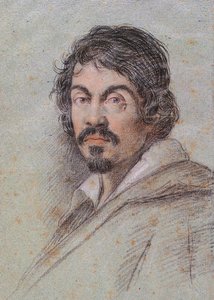
K Caravaggio
1571 - 1610 , Hiszpania
Najważniejsze informacje
- Artyści, Którzy Go Zainspirowali:
- Tycjan
- Leonardo da Vinci
- Artyści/Ruchy Inspirowane Nim:
- Rubens
- Ribera
- Data Urodzenia: 29 września 1571
- Data Śmierci: 18 lipca 1610
- Miejsce Urodzenia: Mediolan, Włochy
- Narodowość: Włoska
- Pełne Imię I Nazwisko: Michelangelo Merisi da Caravaggio
- Ruch Artystyczny/Styl: Barok, Tenebrzm
- Znane Dzieła:
- Fortuneteller
- Supper at Emmaus
- Dawid z Goliatem
Zobacz także powiązane artykuły

Barokowe arcydzieła: 10 obrazów, które zdefiniowały epokę | AllPaintingsStore.com
Odkryj 10 arcydzieł baroku! Caravaggio, Rembrandt, Rubens i inni artyści, którzy zdefiniowali epokę. Poznaj historie, techniki i inspiracje tych niezwykłych obrazów. Reprodukcje najwyższej jakości na AllPaintingsStore.com – idealne do Twojego wnętrza!

Chiaroscuro i rezonans emocjonalny: Dramatyczne światło w malarstwie zachodnim
Odkryj fascynujący świat chiaroscuro – techniki malarskiej mistrzów baroku! Poznaj Caravaggia, Rembrandta i Zurbarána. Analiza obrazów, historia sztuki i wpływ światłocienia na emocje. Zainspiruj się!

Chiaroscuro and Soul: A Definitive Guide to the Drama and Emotion of Italian Baroque Masterpieces
Embark on a sophisticated journey through Italian Baroque art. Discover the dramatic interplay of light and emotion in Caravaggio’s masterpieces and explore how to bring this timeless grandeur into your collection with expert art insights.

Dramatyczny Rozkwit Baroku: Dziedzictwo Sztuki Kontrreformacji i Mistrzowie Chiaroscuro
Odkryj dramatyczny świat baroku! Poznaj historię sztuki kontrreformacji, mistrzów chiaroscuro i weneckich arcydzieł. Reprodukcje najwyższej jakości na AllPaintingsStore.com.

The Visceral Stage: Exploring Dramatic Narratives & Emotional Intensity in Baroque Art
Explore the dramatic world of Baroque art! Discover iconic masters like Caravaggio & Rembrandt, their techniques, and the movement's lasting impact. Expert insights for collectors & enthusiasts at AllPaintingsStore.


