


 Podgląd w skali 1:1
 Wyślij jako kartkę
 Udostępnij
 Szczegóły dzieła
 Przewodnik

 Pobierz obraz
 Podobne obiekty
 RTG
RTG Pokaz slajdów
 Statystyki
Spring Night
 Social Realism
 27.0 x 33.0 cm
 Rozwiń treść
Dzieło sztuki prezentowane na tej stronie podlega ochronie prawem autorskim, co oznacza, że nie mamy prawa do tworzenia ani sprzedaży jego identycznej reprodukcji. Ochrona ta jest egzekwowana na mocy umów międzynarodowych, takich jak Konwencja berneńska oraz przez przepisy prawa krajowego, w tym te określone w Prawo autorskie USA – Tytuł 17.
Metoda ta jest w pełni zgodna z przepisami prawa autorskiego, ponieważ nie polega na kopiowaniu ani powielaniu chronionego dzieła. Stanowi ona kreatywną reinterpretację – nowy obraz, który czerpie inspirację z oryginału, ale nie jest z nim tożsamy.
Giclée / Wydruk artystyczny
Wydruki giclée lub płótna o jakości muzealnej, szybka realizacja i szeroki wybór opcji wykończenia. ( Zamów ręcznie malowaną reprodukcję Przejdź do wersji cyfrowej)




































Wybierz spośród naszych standardowych rozmiarów, które zachowują oryginalne proporcje dzieła sztuki.

Wpisz wymaganą szerokość i wysokość, aby dopasować grafikę do ramy lub ściany. Wydruk można jedynie przyciąć, nigdy nie powiększając go poza oryginalny obraz, dlatego format o innych proporcjach spowoduje utratę części kompozycji. Przed rozpoczęciem druku prześlemy Ci cyfrowy podgląd do zatwierdzenia. Obraz wyświetlany na tej stronie nie pokazuje rzeczywistego przycięcia — jedynie podgląd oddaje ten efekt.
Dostawa na cały świat () w ciągu 2 tygodni zamiast standardowych 4/5 tygodni. (25 Październik)

Bezpłatna ekspresowa wysyłka na cały świat

Wysokiej jakości płótno lniane

Pełne ubezpieczenie przesyłki

Gwarancja zwrotu należności celnych i podatków importowych

Gwarancja wiernego odwzorowania kolorów

100-dniowa polityka zwrotów (tylko w przypadku wad)

Gwarancja 100% zwrotu pieniędzy

Zniżka przy zakupie wielu sztuk
 Opcja ze szkłem jest dostępna wyłącznie w rozmiarach poniżej 110 cm

Spring Night
Giclée / Wydruk artystyczny
Wymiary reprodukcji
-


Cena całkowita
zł 246
Artist Background
Leonard Pytlak was an American artist associated with the Works Progress Administration (WPA) during the Great Depression era in the United States. His WPA prints are celebrated for their poignant portrayal of everyday American life. As a notable artist, Pytlak's work can be found in various museums and galleries, including the Smithsonian American Art Museum.The Painting
Spring Night is a captivating piece that showcases Pytlak's ability to evoke a sense of calm and serenity. The scene features a street at night with trees in the background, and two people walking down the road. A car can be seen parked near the center of the image, adding a touch of modernity to the otherwise peaceful atmosphere.- The use of lithography allows for a high level of detail and precision in the artwork.
- The Smithsonian American Art Museum has an extensive collection of Pytlak's work, including Spring Night.
- Leonard Pytlak's unique style and technique have made him a notable artist in the world of American art.
The captivating "Spring Night" by Leonard Pytlak is a must-see for anyone interested in American art and the WPA era. With its serene atmosphere and precise details, this lithograph is a true masterpiece of its time.
Pytania i odpowiedzi
Do którego okresu twórczości Leonard Pytlak należy dzieło „Spring Night”?
W dorobku artystycznym Leonard Pytlak dzieło „Spring Night” przypada na WPA Era. Ten etap pozwala zestawić je z innymi pracami twórcy.
Skąd pochodzą odwiedzający „Spring Night” – Leonard Pytlak?
Strona Statystyki wyświetleń dzieła „Spring Night” – Leonard Pytlak przedstawia statystyki odwiedzin: miesięczną liczbę wyświetleń tego dzieła, porównanie z najczęściej oglądanymi pracami artysty oraz informacje o pochodzeniu odwiedzających.
Czy w „Spring Night” – Leonard Pytlak zastosowano silne kontrasty czy raczej łagodne harmonie?
Kompozycja kolorystyczna „Spring Night” – Leonard Pytlak łączy w sobie Statement kontrast z Discordant Palette harmonią.
Podobne dzieła


Biografia artysty
Leonard Pytlak: A Chronicle of American Urban Life
Leonard Pytlak (1910-1998) wasn’t a name that frequently graces the headlines of art history, yet his work quietly holds a remarkable significance within the narrative of mid-20th century American art. Born in Newark, New Jersey, and nurtured by a keen eye for detail, Pytlak emerged as a pivotal figure in the realm of graphic arts, particularly through his contributions to the Works Progress Administration (WPA) and subsequent explorations of screenprinting. His legacy isn’t one of grand gestures or revolutionary movements, but rather a meticulous and deeply human portrayal of everyday American life – the bustling streets of New York City, the quiet moments within its tenements, and the resilient spirit of its working class.
Pytlak's artistic journey began with formal training at the Newark School of Fine and Industrial Art and further honed at the prestigious Art Students League in New York. It was here, amidst a vibrant community of artists, that he discovered his passion for printmaking, a medium perfectly suited to capturing the nuances of urban experience. The WPA, established during the Great Depression, provided him with an unprecedented opportunity – a lifeline and a platform to document the realities of the era. His work for the WPA wasn’t simply decorative; it was a vital record of a nation grappling with economic hardship and social change. He produced murals, lithographs, and screenprints that offered glimpses into the lives of ordinary people, from dockworkers and street vendors to factory laborers and tenement residents.
The WPA Years: A Window into Depression-Era America
Pytlak’s association with the WPA was a defining period in his career. During this time, he became deeply involved in the Graphic Arts Division, contributing significantly to the production of over ninety-six prints. These works are not merely reproductions of scenes; they're imbued with a palpable sense of empathy and observation. Titles like “Back Alley,” “Bowery El-Theater,” and "Fall Day" aren’t just descriptive; they evoke specific atmospheres and narratives. His lithographs, often characterized by their meticulous detail and subtle tonal variations, captured the gritty beauty of New York City – its shadows, its textures, and its inhabitants.
Notably, Pytlak's work during this period aligns with the broader Ashcan School movement, though he possessed a unique sensibility. Like artists such as Robert Henri, he focused on depicting everyday life without romanticizing it. However, unlike the more overtly social commentary of some Ashcan painters, Pytlak’s prints often possess a quiet dignity and a sense of understated observation. His work also reflects the influence of WPA's emphasis on accessibility – creating art for the people, by the people.
Beyond the WPA: Screenprinting and Artistic Innovation
Following his tenure with the WPA, Pytlak continued to explore printmaking, particularly through the development of screenprinting. He played a pioneering role in popularizing this technique as a viable medium for fine art, establishing the National Serigraph Society and collaborating with other artists like Hyman Warsager. Screenprinting allowed him greater control over color and texture, enabling him to create richer, more layered compositions. This shift marked a significant evolution in his artistic practice, moving beyond the traditional lithographic process.
His experimentation with screenprinting led to exhibitions at prestigious galleries such as Kennedy & Company and the ACA Gallery, solidifying his reputation within the art world. He also received recognition through Guggenheim Fellowships, further validating his artistic vision and commitment to innovation. His work during this period demonstrates a willingness to embrace new technologies while retaining a deep respect for traditional printmaking techniques.
Legacy and Historical Significance
Leonard Pytlak’s contribution to American art often remains understated, yet his legacy is substantial. His WPA prints provide invaluable insights into the social and economic realities of the Great Depression era, offering a poignant record of a nation in transition. Beyond their historical significance, Pytlak's works possess a remarkable aesthetic quality – a quiet beauty born from meticulous observation and a deep understanding of human experience. His exploration of urban landscapes and working-class life continues to resonate today, reminding us of the enduring power of art to document, interpret, and connect with the complexities of our shared history.
His work is now held in collections at institutions like the British Museum, the Smithsonian American Art Museum, and the Metropolitan Museum of Art, ensuring that his vision will continue to be appreciated for generations to come. Pytlak’s legacy isn't one of flamboyant displays or grand pronouncements; it’s a testament to the quiet power of observation, empathy, and artistic innovation.

Leonard Pytlak
1910 - 1998
Krótka nota
- Artistic Movement Or Style: WPA prints, lithography, silkscreen
- Artists Or Movements Influenced By This Artist:
- WPA Graphics Program
- Ashcan School
- Artists Who Influenced This Artist: ['Anthony Velonis']
- Date Of Birth: 1910
- Date Of Death: 1998
- Full Name: Leonard Pytlak
- Nationality: American
- Notable Artworks:
- Spring Night
- Back Alley
- Fall Day
- Place Of Birth: Newark, New Jersey
Powiązane artykuły

Odbitki Giclée: Jakość Archiwalna i Estetyczne Niuanse dla Wymagającego Kolekcjonera
Poznaj sekrety druku giclée – technologii zapewniającej najwyższą jakość reprodukcji sztuki i trwałość archiwalaną. Poradnik dla wymagających kolekcjonerów o wyborze papieru, tuszy i profilach kolorystycznych.

Grant Wood & American Regionalism: Identity, Myth & the Rural Landscape
Explore the world of Grant Wood & American Regionalism with AllPaintingsStore. Discover the symbolism behind 'American Gothic', recurring themes, and the movement's lasting impact on art history. High-quality reproductions available.

10 Legendarnych Litografii, Które Zrewolucjonizowały Sztukę | AllPaintingsStore.com
Odkryj 10 legendarnych litografii Picassa, Muncha i innych mistrzów! Poznaj historię arcydzieł impresjonizmu, ekspresjonizmu i kubizmu. Reprodukcje najwyższej jakości na AllPaintingsStore.com – inspiracje do Twojego wnętrza. Eksploruj kolekcję online!

The Enduring Legacy of Fine Art Prints: Technique, History & Aesthetic Impact
Explore the rich history & techniques of fine art prints. Discover investment potential, assess authenticity, and learn how to preserve your collection with expert guidance. Trusted insights for discerning collectors.
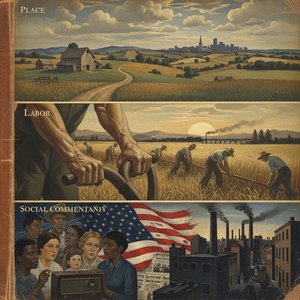
Amerykański Regionalizm: Studium Tożsamości w Obrazach Pracy, Miejsca i Krytyki Społecznej
Poznaj fascynujący świat amerykańskiego regionalizmu! Analiza kluczowych artystów, wpływ Wielkiego Kryzysu na sztukę i symbolika krajobrazu. Ekspercka analiza dla miłośników historii sztuki.

