


 Podgląd w skali 1:1
 Wyślij jako kartkę
 Udostępnij
 Szczegóły dzieła
 Przewodnik

 Pobierz obraz
 Podobne obiekty
 RTG
RTG Pokaz slajdów
 Q&A
Q&A Statystyki
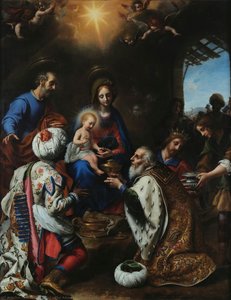
Circumcision
 Farba olejna
- Sztuka ścienna
- Baroque Revival
 1580
1580- Renesans
 95.0 x 73.0 cm
 Muzeum Ermitażu
 Rozwiń treść
Giclée / Wydruk artystyczny
Wydruki giclée lub płótna o jakości muzealnej, szybka realizacja i szeroki wybór opcji wykończenia. ( Zamów ręcznie malowaną reprodukcję Przejdź do wersji cyfrowej)




P118B zł10

P118H zł10

P118W zł10

P438Z zł10

P508JH zł12

P508YH zł12

P805H zł10

P805Z zł10

P919BZ zł10

P919G zł10

P919XJ zł10

P959ZH zł10

P968JZ zł12

W106C zł8

W218G zł10

W218JH zł8

W218Y zł10

W307PJ zł10

W316G zł10

W316PJ zł8

W316Y zł10

W398PJ zł8

W4111J zł10

W500HY zł15

W500JH zł15

W692G zł12

W849H zł8

W940BG zł15

W953PJ zł8




Wybierz spośród naszych standardowych rozmiarów, które zachowują oryginalne proporcje dzieła sztuki.

Wpisz wymaganą szerokość i wysokość, aby dopasować grafikę do ramy lub ściany. Wydruk można jedynie przyciąć, nigdy nie powiększając go poza oryginalny obraz, dlatego format o innych proporcjach spowoduje utratę części kompozycji. Przed rozpoczęciem druku prześlemy Ci cyfrowy podgląd do zatwierdzenia. Obraz wyświetlany na tej stronie nie pokazuje rzeczywistego przycięcia — jedynie podgląd oddaje ten efekt.
Dostawa na cały świat () w ciągu 2 tygodni zamiast standardowych 4/5 tygodni. (31 Październik)

Bezpłatna ekspresowa wysyłka na cały świat

Wysokiej jakości płótno lniane

Pełne ubezpieczenie przesyłki

Gwarancja zwrotu należności celnych i podatków importowych

Gwarancja wiernego odwzorowania kolorów

100-dniowa polityka zwrotów (tylko w przypadku wad)

Gwarancja 100% zwrotu pieniędzy

Zniżka przy zakupie wielu sztuk
 Opcja ze szkłem jest dostępna wyłącznie w rozmiarach poniżej 110 cm

Circumcision
Giclée / Wydruk artystyczny
Wymiary reprodukcji
-


Cena całkowita
zł 249
Luis de Carbajal: A Toledo Master Shaping Gothic Faith
Luis de Carbajal (c. 1531 – after 1618), born in Toledo, Spain, stands as one of the most prolific and influential painters of the Spanish Renaissance, particularly renowned for his monumental cathedral altarpieces that embody the grandeur and spiritual fervor of the era. While overshadowed by contemporaries like El Greco—with whom he shared a formative artistic connection—Carvajal’s distinctive style cemented his place in art history as a pivotal figure in Toledo’s artistic revival and a masterful interpreter of Gothic sensibilities adapted to the burgeoning humanist spirit. His output spanned decades, leaving behind an impressive legacy that continues to inspire admiration for its meticulous detail and emotive power. ### Early Life & Artistic Training: The Crucible of Influence Carvajal's origins remain somewhat obscure, though he was undoubtedly educated within the vibrant intellectual milieu of Toledo, a city steeped in religious tradition and increasingly receptive to European ideas circulating from Italy. His formative years coincided with El Greco’s arrival in Toledo, establishing himself as a teacher and fostering a stylistic dialogue that would profoundly shape Carbajal's artistic vision. This mentorship instilled in him a fascination for dramatic lighting—a hallmark of El Greco’s Mannerist style—and an unwavering commitment to conveying spiritual depth through meticulously rendered figures. The influence of Villoldo, another prominent Toledo artist, contributed to his understanding of classical proportions and compositional balance, grounding his work in humanist principles alongside religious devotion. He began his artistic journey under the tutelage of Juan Bautista Monegro, whose sculptural sensibilities instilled a similar emphasis on anatomical accuracy and expressive gesture within Carbajal’s oeuvre. ### Cathedral Altarpieces: Monumental Expressions of Faith Carvajal’s fame rests primarily on his monumental cathedral altarpieces—a genre that flourished during the Habsburg reign and served as a powerful vehicle for disseminating theological narratives. His most celebrated commissions included seven canvases depicting saints for the Escorial Cathedral, commissioned by Philip II to commemorate the Holy Spirit. These works exemplify Carbajal's mastery of technique: he employed oil paint on canvas with painstaking precision, layering translucent glazes to achieve luminous effects and capturing subtle nuances of expression in his figures. The composition—characterized by pyramidal structures and dramatic diagonals—mirrors the architectural grandeur of the cathedral itself, reinforcing its symbolic significance as a locus of divine presence. Each saint is portrayed with palpable emotion, conveying not merely doctrinal correctness but also spiritual contemplation. The resulting images are breathtaking in their scale and ambition, reflecting Carbajal’s dedication to elevating religious art to new heights of artistic achievement. ### Symbolism & Gothic Revival: Echoes of Tradition Carvajal’s artistic approach wasn't simply about replicating religious iconography; it was about reimagining Gothic traditions within the framework of Renaissance humanism. He deliberately incorporated elements reminiscent of medieval art—such as stylized drapery and elongated figures—to evoke a sense of solemn reverence and to honor Toledo’s rich ecclesiastical heritage. The saints depicted are not merely representations of biblical figures but embodiments of virtues – compassion, humility, courage – reflecting the moral values championed by humanist thinkers. Furthermore, Carbajal's meticulous attention to detail—from the folds of robes to the expressions on faces—demonstrates a profound understanding of human psychology and elevates his paintings beyond mere visual spectacle into emotionally resonant experiences. This stylistic fusion underscores Carbajal’s commitment to preserving the spiritual essence of Gothic art while simultaneously integrating humanist ideals into his artistic practice. ### Legacy & Rediscovery: A Toledo Treasure Revisited Today, Carbajal’s canvases reside primarily in the Museo del Prado in Madrid, where they continue to captivate audiences with their breathtaking beauty and spiritual depth. Recent scholarship has illuminated the significance of his work within the broader context of Toledo’s artistic revival—a period marked by a renewed interest in classical ideals alongside an enduring devotion to Christian faith. His paintings stand as testament to Carbajal's skill, creativity, and unwavering commitment to conveying the sublime—a legacy that secures his place among Spain’s greatest artists and ensures that his masterpieces endure for generations to come. The Museo del Prado actively promotes awareness of Carbajal’s contribution to Spanish art history, recognizing him as a cornerstone of Mannerist painting and a vital link between Gothic tradition and Renaissance innovation.Pytania i odpowiedzi
W jaki sposób "Circumcision" wpisuje się w tematykę i styl twórczości Luis De Carbajal?
"Circumcision" dzieli z innymi dziełami Luis De Carbajal styl właściwy dla Baroque Revival oraz powracające motywy: religious symbolism, gothic revival, patron saint imagery, cathedral decoration, baroque tradition.
Jaki nastrój oddaje dzieło "Circumcision" należące do nurtu Baroque Revival?
Melancholijny emocja dzieła „Circumcision” współgra z jego stylem Baroque Revival.
Jak mogę odkryć dzieła podobne do „Circumcision” – Luis De Carbajal?
Dzieła podobne do „Circumcision” można znaleźć na stronie Podobne dzieła danego dzieła.
Podobne dzieła



Biografia artysty
The Radiant Legacy of Luis de Carbajal
In the heart of Toledo, a city where the echoes of medieval devotion meet the burgeoning light of the Renaissance, the life of Luis de Carbajal unfolded as a profound testament to spiritual and artistic endurance. Born around 1531, Carbajal emerged from the vibrant, intellectually charged atmosphere of Spain’s most storied religious center. While history often casts a long shadow through the ethereal mysticism of El Greco, Carbajal stands as a monumental figure in his own right—a master who bridged the gap between the soaring, structural grandeur of the Gothic tradition and the nuanced, humanistic spirit of the Spanish Renaissance. His journey was one of deep connection to the sacred, moving through the halls of cathedrals and royal monasteries, leaving behind a visual legacy that captured the very soul of an era defined by faith.
The foundations of Carbajal’s artistry were laid within the prestigious workshops of Toledo, under the guidance of masters like Juan de Villoldo. This early training provided him with a rigorous understanding of classical proportions and compositional balance, yet it was his encounter with the transformative energy of El Greco that truly ignited his creative vision. From this connection, Carbajal embraced the dramatic power of chiaroscuro, learning to manipulate light and shadow to evoke deep emotional resonance. Unlike the more otherworldly, elongated figures of his contemporary, Carbajal’s work maintained a grounded, architectural dignity. He drew inspiration from the very bones of Toledo—its ribbed arches, vaulted ceilings, and stained glass—incorporating these Gothic elements into his canvases to create spaces that felt both physically immense and spiritually intimate.
A Master of the Altarpiece and Royal Commission
Carbajal’s career was marked by an extraordinary level of productivity, with estimates suggesting he produced over 300 works during his long life. His talent earned him the prestigious distinction of being named a painter for King Philip II of Spain, a role that placed him at the epicenter of the Spanish Golden Age. His brush traveled through the most sacred corridors of the empire, from the intimate oratories of the Pardo Palace to the imposing halls of the monastery in El Escorial. One of his most significant achievements was the creation of seven large-scale canvases for the church of the Escorial in 1570, where he masterfully paired saints such as Cosme and Damián, and Cecilia and Barbara, weaving complex theological narratives into single, cohesive compositions.
His ability to command large-scale religious subjects allowed him to become a primary architect of visual devotion. His works were not merely decorations but were essential tools for the dissemination of Catholic doctrine during a period of intense religious fervor. Through his meticulous attention to detail and his ability to render the divine within a tangible, earthly framework, he achieved several notable milestones:
- Monumental Altarpieces: He specialized in massive cathedral commissions that served as the focal points for liturgical worship, embodying the grandeur of the Habsburg reign.
- Narrative Depth: His paintings, such as the Circumcision, utilized dramatic lighting to guide the viewer's eye through complex biblical stories.
- Ecclesiastical Influence: By decorating the Archbishop's chapel in Toledo and various convent cloisters, he shaped the visual identity of the Spanish Church.
Historical Significance and Enduring Spirit
The historical importance of Luis de Carbajal lies in his role as a stabilizer of tradition during a time of radical artistic change. While the art world moved toward the more distorted and emotive Mannerism, Carbajal provided a sense of continuity, anchoring the new humanist ideas within the familiar, comforting language of Gothic architecture and classical balance. He was a painter who understood that to move the heart, one must first respect the structure of the faith. His work remains a vital link in the evolution of Spanish art, representing a moment when the medieval past and the Renaissance future existed in perfect, painted harmony.
Today, the traces of his genius can still be found in the great repositories of Spanish heritage, including the Museo del Prado in Madrid. To study Carbajal is to witness the pulse of Toledo itself—a master who took the stone and light of his homeland and transformed them into an eternal dialogue between the human and the divine. His life, stretching well into the 17th century, serves as a bridge across eras, ensuring that the spiritual gravity of the Spanish Renaissance would never be forgotten.

Luis De Carbajal
1531 - 1618 , Spain
Krótka nota
- Full Name: Luis de Carbajal y de la Cueva
- Nationality: Spanish
- Date Of Birth: 1531
- Date Of Death: 1618
- Place Of Birth: Toledo, Spain
- Notable Artworks: ['Circumcision']
- Artistic Movement Or Style: Religious Painting; Gothic Art Style
- Artists Who Influenced This Artist: ['Alonso Berruguete']
- Artists Or Movements Influenced By This Artist: ['El Greco']
Powiązane artykuły

Divine Visions: Top 10 Masterpieces of Religious Art Through the Ages
Journey through history with 10 iconic religious masterpieces. From Renaissance legends to Baroque drama, explore the stories behind these sacred works. Find museum-quality art reproductions and curated decor inspiration. Discover all masterpieces on AllPaintingsStore.com.

Masterpieces of Light and Spirit: The Top 25 El Greco Artworks
Journey through the spiritual intensity of El Greco's greatest works. From Mannerist mastery to dramatic light, explore 25 iconic paintings and find museum-quality reproductions for your collection. Discover all masterpieces on AllPaintingsStore.com.

Divine Visions: 10 Masterpieces That Capture the Essence of Saints
Journey through history with 10 iconic paintings of saints. From Renaissance mastery to Baroque drama, explore the stories behind these timeless religious masterpieces. Find museum-quality art reproductions and curated decor inspiration. Discover all masterpieces on AllPaintingsStore.com.

25 Masterpieces by Francisco de Zurbarán: The King of Spanish Baroque
Immerse yourself in the dramatic world of Francisco de Zurbarán. Explore 25 iconic Spanish Baroque masterpieces defined by intense tenebrism and spiritual realism. Find inspiration for museum-quality art reproductions and decor. Discover all masterpieces on AllPaintingsStore.com.


