


 Podgląd w skali
 Wyślij jako kartkę
 Udostępnij
 Szczegóły dzieła

 Pobierz
 Podobne obiekty
 RTG
RTG Pokaz slajdów
Landscape


 Rozwiń treść
Giclée / Wydruk artystyczny
Druk giclée lub płótno o jakości muzealnej, szybka realizacja i szeroki wybór opcji wykończenia. ( Kup ręcznie malowany obraz Kup obraz cyfrowy)




P118B $10

P118H $10

P118W $10

P438Z $10

P508JH $12

P508YH $12

P805H $10

P805Z $10

P919BZ $10

P919G $10

P919XJ $10

P959ZH $10

P968JZ $12

W106C $8

W218G $10

W218JH $8

W218Y $10

W307PJ $10

W316G $10

W316PJ $8

W316Y $10

W398PJ $8

W4111J $10

W500HY $15

W500JH $15

W692G $12

W849H $8

W940BG $15

W953PJ $8




Wybierz spośród naszych standardowych rozmiarów, które zachowują oryginalne proporcje dzieła sztuki.

Możesz wprowadzić własne wymiary, aby dopasować dzieło do konkretnej ramy lub przestrzeni. Jeśli wybrany rozmiar nie będzie odpowiadał proporcjom oryginalnego obrazu, przytniecie dzieło lub rozszerzymy obraz za pomocą odbicia lustrzanego lub jednolitego wypełnienia krawędzi. Przed rozpoczęciem produkcji prześlemy cyfrową wizualizację do Twojej akceptacji.
Prosimy pamiętać, że podgląd na ekranie nie odzwierciedla faktycznego przycinania ani rozszerzania. Tylko wizualizacja dokładnie pokaże końcową kompozycję.
Mimo dostępności niestandardowych rozmiarów, zalecamy wybór wymiaru z listy zdefiniowanej, aby zachować oryginalne proporcje.
Dostawa na cały świat () w ciągu 2 tygodni zamiast standardowych 4/5 tygodni. (13 Sierpień)

Bezpłatna ekspresowa wysyłka na cały świat

Wysokiej jakości płótno lniane

Pełne ubezpieczenie przesyłki

Gwarancja zwrotu należności celnych i podatków importowych

Gwarancja wiernego odwzorowania kolorów

Polityka 60-dniowego zwrotu (tylko w przypadku wad)

Gwarancja 100% zwrotu kosztów

Zniżka przy zamówieniu wielu produktów
 Opcja ze szkłem jest dostępna wyłącznie w rozmiarach poniżej 110 cm

Landscape
Giclée / Wydruk artystyczny
Wymiary reprodukcji
-


Cena całkowita
$ 64
Opis kolekcjonerski
Podobne dzieła


O artyście
A Brushstroke in the Castle Town: The Life and Art of Maejima Sōyū
The name Maejima Sōyū resonates quietly within the annals of 16th-century Japanese painting, a period brimming with both established traditions and burgeoning innovation. Active primarily in the mid-Muromachi period, Sōyū wasn’t a solitary genius forging entirely new paths, but rather a skilled practitioner deeply embedded within the influential Kanō school, specifically its regional manifestation in the castle town of Odawara. While biographical details remain scarce—a common fate for artists operating outside the direct patronage of powerful shoguns or imperial courts—his surviving works and documented affiliations offer compelling glimpses into his artistic journey and the cultural milieu that shaped it. Sōyū’s story is one of skillful adaptation, a testament to the power of lineage and the delicate balance between honoring tradition and expressing individual vision.From Masanobu to Motonobu: A Lineage of Style
Born in Tokyo, Japan, Maejima Sōyū’s artistic foundations were laid within the Kanō school, a dynasty that dominated Japanese painting for centuries. Initially, he studied under Kanō Masanobu, a pivotal figure credited with establishing many of the stylistic hallmarks associated with the school—bold brushwork, dynamic compositions, and a penchant for depicting auspicious motifs drawn from Chinese art and Zen Buddhism. However, Sōyū’s artistic trajectory took a significant turn as he transitioned to become a follower of Kanō Motonobu, Masanobu's son. This shift wasn’t merely a change in teacher; it represented an embrace of a refined aesthetic characterized by greater subtlety, elegance, and a more restrained use of color. Motonobu’s influence is palpable in Sōyū’s surviving paintings, revealing a dedication to the principles of his master while simultaneously hinting at a developing personal voice. The transition suggests a willingness to evolve, to absorb new influences, and to refine his technique within the broader framework of Kanō aesthetics.Ink and Light: Defining Characteristics of Sōyū’s Work
Maejima Sōyū is primarily known for his exquisite works executed in ink and light color on paper and silk. His paintings often depict landscapes, imbued with a sense of tranquility and harmony that reflects the Zen Buddhist principles prevalent during his time. The delicate washes of ink create atmospheric depth, while subtle touches of color—often muted greens, blues, and browns—evoke the natural world with remarkable sensitivity. A notable example is his *Landscape*, currently held in the collection of The Metropolitan Museum of Art. This work exemplifies Sōyū’s mastery of ink technique, showcasing a moonlit scene where mountains recede into mist, and a small boat glides across a placid lake towards a thatched pavilion. The composition isn't about grand spectacle but rather intimate observation—the quiet beauty of nature rendered with meticulous detail and profound emotional resonance. Another recurring motif in his oeuvre is the depiction of ducks amidst reeds, a subject that speaks to both his technical skill and an appreciation for the symbolism inherent in Japanese art.Historical Context and Lasting Significance
The mid-16th century was a period of significant upheaval in Japan, marked by internal conflicts and the rise of powerful warlords—the *daimyō*. Odawara, where Sōyū practiced his art, was a strategically important castle town, and artists like him often found themselves serving local lords. While not directly involved in political machinations, Sōyū’s work likely adorned the residences of these patrons, contributing to the cultural atmosphere of the region. His affiliation with the Kanō school ensured a degree of recognition and patronage, but his relatively limited documented output suggests he wasn't among the most prominent artists of his time. Nevertheless, his paintings offer valuable insights into the regional variations within the Kanō style and demonstrate the enduring appeal of traditional Japanese aesthetics. The fact that some of his works were later misattributed to Kano Masanobu—a testament to their quality and stylistic similarity—underscores his skill as a painter capable of embodying the core principles of the school. Today, Maejima Sōyū’s art stands as a poignant reminder of the often-unseen talents who contributed to the rich tapestry of Japanese artistic heritage, a brushstroke in the larger narrative of a dynamic and transformative era.Known Works
- Landscape: A serene ink and color painting on paper, held at The Metropolitan Museum of Art.
- Duck in Reeds: Another example showcasing Sōyū’s skill with naturalistic depictions and subtle coloring. Details regarding its current location are limited but it is a frequently referenced work.

maejima sōyū
Japan
Krótka nota
- Artistic Movement Or Style: Kanō School
- Artists Or Movements Influenced By This Artist: ['']
- Artists Who Influenced This Artist: ['Kanō Masanobu']
- Full Name: Maejima Sōyū
- Nationality: Japanese
- Notable Artworks:
- Landscape
- Duck in reeds
- Place Of Birth: Tokyo, Japan
Powiązane artykuły

Katsushika Hokusai: 25 Arcydzieł Sztuki Japońskiej dla Kolekcjonerów i Miłośników Dekoracji
Odkryj 25 arcydzieł Katsushika Hokusai, mistrza ukiyo-e! Poznaj historię Wielkiej Fali i innych ikonicznych drzeworytów. Inspiracje wnętrzarskie i reprodukcje obrazów najwyższej jakości na AllPaintingsStore.com – sztuka japońska dla Twojego domu.

Pu Xinyu's 'Puru': A Legacy of Literati Painting & Emotional Resonance
Explore the captivating world of Pu Xinyu (Puru), the last great literati painter. Discover his imperial heritage, masterful ink wash techniques & enduring legacy – a valuable addition to any discerning art collection.
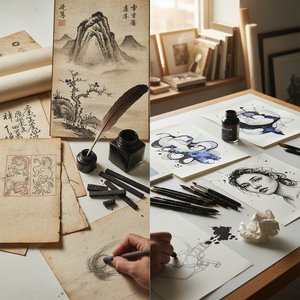
Efemerowe Wyrażenia: Niuanse Malarstwa Tuszem w Historii i Sztuce Współczesnej
Poznaj fascynujący świat malarstwa tuszem! Odkryj historię, techniki i filozofię tej wyjątkowej sztuki azjatyckiej. Przewodnik po mistrzach pędzla i inspiracje dla współczesnych artystów.

Spokojne Wizje w Sztuce: Od Pejzażu do Wabi-Sabi – Poszukiwanie Harmonii i Autentyczności
Odkryj historię spokoju w sztuce – od klasycznych pejzaży po surrealistyczne wizje Dalí i japońskie wabi-sabi. Analiza dzieł, inspiracje i wpływ kultury na interpretację harmonii. AllPaintingsStore.

Concrete Visions: Exploring the Urban Landscape in Painting – From Realism to Contemporary Art
Explore the evolution of cityscape painting from Realism to contemporary art with AllPaintingsStore. Discover key artists & invest in timeless urban visions. Expert guidance, museum-quality reproductions.



