

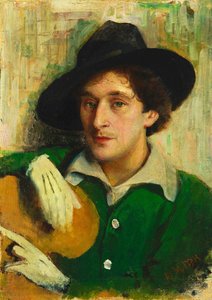
1979. Acrylic, 56.0 x 44.0 cm.

§ 1Catalogue data

- 56.0 x 44.0 cm


Ten utwór podlega ochronie prawem autorskim
Dzieło sztuki prezentowane na tej stronie podlega ochronie prawem autorskim, co oznacza, że nie mamy prawa do tworzenia ani sprzedaży jego identycznej reprodukcji. Ochrona ta jest egzekwowana na mocy umów międzynarodowych, takich jak Konwencja berneńska oraz przez przepisy prawa krajowego, w tym te określone w Prawo autorskie USA – Tytuł 17.
Jako pełną szacunku i legalną alternatywę oferujemy personalizowane, malowane ręcznie dzieła sztuki inspirowane oryginałem. Nasi wykwalifikowani i profesjonalni artyści starannie analizują styl, nastrój oraz artystyczną esencję pierwowzoru, aby stworzyć nowe, unikalne dzieło, które przywołuje te same emocje – pozostając jednocześnie w pełni oryginalną kreacją.
Metoda ta jest w pełni zgodna z przepisami prawa autorskiego, ponieważ nie polega na kopiowaniu ani powielaniu chronionego dzieła. Stanowi ona kreatywną reinterpretację – nowy obraz, który czerpie inspirację z oryginału, ale nie jest z nim tożsamy.
 Dowiedz się więcej
§ 2Abstract
Opis obiektu
Marc Chagall’s mesmerizing lithograph depicts Moses and Aaron amidst a vibrant tableau of figures, embodying the artist's signature dreamlike style from 1979. Explore this evocative piece and bring Chagall’s poetic vision into your home.
Biografia artysty
Poznaj fascynujący świat Marc Chagalla (1887-1985), rosyjskiego i francuskiego mistrza sztuki, znanego z obrazów pełnych snu i folklorystycznych motywów oraz pięknych witraży. Odkryj jego dziedzictwo!
§ 3Commentary
A Symphony of Faith and Imagination: Exploring Marc Chagall’s “Moses and Aaron”
The lithograph rendition of Marc Chagall's "Moses and Aaron," measuring 56 x 44 cm, transcends mere visual representation; it embodies a profound meditation on spirituality, memory, and the enduring legacy of Jewish tradition. Created in 1979, this artwork stands as a testament to Chagall’s singular artistic vision—a vision born from his formative years in Vitebsk, Belarus, where he absorbed the rich tapestry of Orthodox Christianity alongside the vibrant pulse of Jewish life. This juxtaposition profoundly shaped his aesthetic sensibilities and continues to resonate within his celebrated oeuvre.- Subject Matter: Chagall’s depiction centers on Moses and Aaron, biblical figures revered for their leadership in guiding the Israelites out of Egypt and receiving the Ten Commandments from God. The painting captures a pivotal moment in Jewish history—the divine revelation that forms the bedrock of Judaism’s moral and legal framework.
- Style: Chagall's style is instantly recognizable as Surrealist, yet it defies easy categorization. He eschewed strict realism, opting instead for dreamlike imagery populated by stylized figures and fantastical landscapes. This approach prioritizes emotional expression over precise depiction, allowing viewers to immerse themselves in a world of symbolic resonance.
Technique: Lithograph Printing – Preserving the Essence of Chagall’s Vision
The lithograph technique employed for this reproduction skillfully captures the nuances of Chagall's original painting. Lithography, unlike etching or engraving, relies on transferring ink from a stone surface to paper through capillary action—a process that ensures exceptional tonal accuracy and detail while minimizing distortion. This method was favored by Chagall himself, reflecting his commitment to preserving the integrity of his artistic intentions. The resulting print offers remarkable clarity and vibrancy, faithfully conveying the luminous colors and expressive brushstrokes characteristic of Chagall’s distinctive style.- Color Palette: Chagall's palette is dominated by bold hues—deep blues, vibrant yellows, and fiery reds—that evoke a sense of otherworldly beauty. These colors aren’t merely decorative; they serve as conduits for emotion, mirroring the spiritual fervor and imaginative spirit that permeate the artwork.
- Composition: The composition is deliberately asymmetrical, guiding the viewer's eye across the canvas. Moses and Aaron are positioned prominently in the center, surrounded by a multitude of figures—some gazing upwards towards the heavens, others engaged in quiet contemplation. This arrangement reinforces the theme of divine revelation and underscores the importance of faith.
Historical Context: Vitebsk’s Influence – A Reflection of Cultural Crossroads
Vitebsk's cultural landscape—a confluence of Orthodox Christianity and Jewish tradition—provided an indelible imprint on Chagall’s artistic worldview. The town’s architectural grandeur, coupled with its bustling marketplaces brimming with religious symbols and everyday life, fueled his imagination and informed his stylistic choices. Furthermore, Chagall experienced firsthand the turbulent political climate of Soviet Russia during his formative years, which instilled in him a deep appreciation for freedom of expression—a value that he fiercely defended throughout his artistic career.Symbolism: The Ten Commandments – A Testament to Moral Guidance
The central element of “Moses and Aaron”—the Ten Commandments—represents the foundational principles of Jewish law and ethics. Chagall’s depiction elevates these commandments to a position of prominence, symbolizing divine authority and moral responsibility. The figures surrounding Moses and Aaron embody humanity's yearning for spiritual understanding and guidance—a theme that resonates powerfully across cultures and epochs.Pytania i odpowiedzi
Jaki rozmiar i orientacja są zalecane dla wydruku dzieła „Moses and Aaron” – Marc Chagall?
Zalecany rozmiar wydruku dzieła „Moses and Aaron” – Marc Chagall to Large w orientacji Portrait.
W jakiej technice wykonano „Moses and Aaron” – Marc Chagall?
Technika wykonania dzieła „Moses and Aaron” – Marc Chagall to Acrylic. Reprodukcje mają na celu wierne oddanie wyglądu tej techniki.
Czy mogę zamówić olejną reprodukcję "Moses and Aaron"?
Ręcznie malowane reprodukcje dzieła „Moses and Aaron” – Marc Chagall można nabyć na stronie niniejsza strona: ręcznie malowana reprodukcja olejowa na płótnie lnianym, zamawiając je bezpośrednio w zakładce Ręcznie malowana reprodukcja.


 Przełącz na wydania drukowane


 W przypadku dzieł sztuki lub reprodukcji, których którykolwiek z boków przekracza 105 cm (około 41 cali), rama zostanie wysłana w formie zestawu do samodzielnego montażu. Metoda ta zapewnia bezpieczną dostawę i zapobiega uszkodzeniom podczas transportu.


