

Akryl na płótnie.

§ 1Dane katalogowe


Ten utwór podlega ochronie prawem autorskim
Dzieło sztuki prezentowane na tej stronie podlega ochronie prawem autorskim, co oznacza, że nie mamy prawa do tworzenia ani sprzedaży jego identycznej reprodukcji. Ochrona ta jest egzekwowana na mocy umów międzynarodowych, takich jak Konwencja berneńska oraz przez przepisy prawa krajowego, w tym te określone w Prawo autorskie USA – Tytuł 17.
Jako pełną szacunku i legalną alternatywę oferujemy personalizowane, malowane ręcznie dzieła sztuki inspirowane oryginałem. Nasi wykwalifikowani i profesjonalni artyści starannie analizują styl, nastrój oraz artystyczną esencję pierwowzoru, aby stworzyć nowe, unikalne dzieło, które przywołuje te same emocje – pozostając jednocześnie w pełni oryginalną kreacją.
Metoda ta jest w pełni zgodna z przepisami prawa autorskiego, ponieważ nie polega na kopiowaniu ani powielaniu chronionego dzieła. Stanowi ona kreatywną reinterpretację – nowy obraz, który czerpie inspirację z oryginału, ale nie jest z nim tożsamy.
 Dowiedz się więcej
§ 2Abstrakcja
Opis obiektu
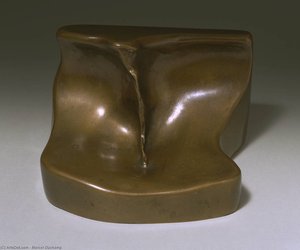
Łuk czystości Marcela Duchampa - monumental escultura de piedra que desafía las normas sociales y cuestiona la esencia del arte moderno. Una obra clave del Dadaísmo.
Biografia artysty
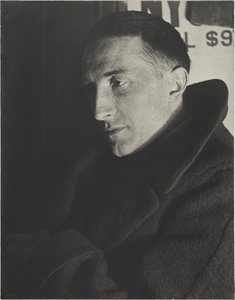
Marcel Duchamp: Rewolucyjny artysta, który rzucił wyzwanie definicji sztuki poprzez dadaizm i readymades, takie jak „Fontanna”. Odkryj jego ikoniczne dzieła oraz filozoficzny wpływ na świat sztuki.
§ 3Komentarz
Introduction to the Painting and its Artist
Marcel Duchamp, a French painter, sculptor, chess player, and writer, is widely recognized for his contributions to modern art. His work is associated with the Dada movement, which emerged in the early 20th century as a cultural revolution that challenged traditional notions of art, culture, and society. The Wedge of Chastity, created by Duchamp in 1954, exemplifies his exploration of male and female genitalia in moulded objects during this period.Description and Analysis of the Painting
The Wedge of Chastity is a plaster sculpture in two sections, partly painted, measuring 2 3/4 x 3 7/8 x 2 1/2 inches (6.9 x 10 x 6.1 cm). The sculpture represents an abstract form that resembles the shape of a wedge, with one end pointed and the other rounded. The surface of the sculpture is smooth, with subtle variations in texture and color. The Wedge of Chastity is often interpreted as a commentary on societal norms and expectations around sexuality and chastity. Duchamp's use of abstract forms and his exploration of male and female genitalia challenge traditional notions of gender and sexuality, inviting viewers to question their own assumptions and biases. It’s remarkable how Duchamp manages to convey complex ideas about identity and morality through such a deceptively simple geometric shape—a testament to the power of conceptual art.Historical Context and Significance
The Wedge of Chastity is part of a larger body of work that Duchamp created in the 1950s, which included a series of moulded objects based on male and female genitalia. These works exemplify Duchamp's exploration of the relationship between art and everyday life, as well as his interest in challenging traditional notions of beauty and aesthetics. The Wedge of Chastity is also significant within the broader context of modern art and the Dada movement. Duchamp's use of abstract forms and his exploration of gender and sexuality were groundbreaking at the time, and continue to influence artists today. Consider it alongside other sculptures from the period—artists like Picasso and Matisse wrestled with similar questions about representation and artistic expression. The sculpture’s placement within the Dada movement underscores its rebellious spirit and refusal to accept established conventions.Availability and Reproduction
For those interested in acquiring a reproduction of The Wedge of Chastity, AllPaintingsStore offers high-quality canvas prints and oil-painted replicas of this iconic work. Our reproductions are meticulously crafted to capture the essence and detail of the original, providing an affordable and accessible way for art lovers to enjoy Duchamp’s masterpiece in their own homes or offices. The Wedge of Chastity by Marcel Duchamp is a significant work that continues to inspire and challenge viewers today. Its exploration of gender, sexuality, and societal norms invites us to question our own assumptions and biases, while its abstract form and use of color and texture demonstrate Duchamp’s mastery of modern art techniques.- For more information on The Wedge of Chastity and other works by Marcel Duchamp, visit AllPaintingsStore's online collection.
Pytania i odpowiedzi
Jaki nastrój oddaje styl Dada w dziele „Łuk czystości”?
"Łuk czystości" emanuje Refleksyjny emocjonalnym ładunkiem, wpisując się w nurt Dada.
Jakie inne pseudonimy lub nazwy stosuje Marcel Duchamp?
Marcel Duchamp jest znany/a również pod pseudonimami: Marcel, Właśc. Henri-Robert-Marcel Duchamp, Rrose Sélavy.
Jaki to rodzaj dzieła sztuki: „Łuk czystości” – Marcel Duchamp?
W katalogu dzieło „Łuk czystości” – Marcel Duchamp zostało sklasyfikowane jako Sztuka ścienna. Kategoria ta ułatwia odnajdywanie podobnych prac.




 Przełącz na wydania drukowane


 W przypadku dzieł sztuki lub reprodukcji, których którykolwiek z boków przekracza 105 cm (około 41 cali), rama zostanie wysłana w formie zestawu do samodzielnego montażu. Metoda ta zapewnia bezpieczną dostawę i zapobiega uszkodzeniom podczas transportu.


