

Black and White Photography.

§ 1Catalogue data


Ten utwór podlega ochronie prawem autorskim
Dzieło sztuki prezentowane na tej stronie podlega ochronie prawem autorskim, co oznacza, że nie mamy prawa do tworzenia ani sprzedaży jego identycznej reprodukcji. Ochrona ta jest egzekwowana na mocy umów międzynarodowych, takich jak Konwencja berneńska oraz przez przepisy prawa krajowego, w tym te określone w Prawo autorskie USA – Tytuł 17.
Jako pełną szacunku i legalną alternatywę oferujemy personalizowane, malowane ręcznie dzieła sztuki inspirowane oryginałem. Nasi wykwalifikowani i profesjonalni artyści starannie analizują styl, nastrój oraz artystyczną esencję pierwowzoru, aby stworzyć nowe, unikalne dzieło, które przywołuje te same emocje – pozostając jednocześnie w pełni oryginalną kreacją.
Metoda ta jest w pełni zgodna z przepisami prawa autorskiego, ponieważ nie polega na kopiowaniu ani powielaniu chronionego dzieła. Stanowi ona kreatywną reinterpretację – nowy obraz, który czerpie inspirację z oryginału, ale nie jest z nim tożsamy.
 Dowiedz się więcej
§ 2Abstract
Opis obiektu
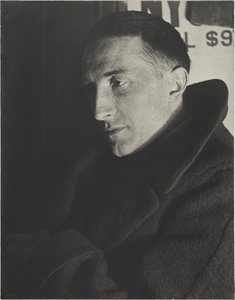
This provocative monochromatic portrait of Marcel Duchamp as his female alter-ego Rrose Sélavy captures the playful ambiguity of Dadaism and invites you to discover this legendary piece of conceptual art.
Biografia artysty
Marcel Duchamp: Rewolucyjny artysta, który rzucił wyzwanie definicji sztuki poprzez dadaizm i readymades, takie jak „Fontanna”. Odkryj jego ikoniczne dzieła oraz filozoficzny wpływ na świat sztuki.
§ 3Commentary
Introduction to Marcel Duchamp
Marcel Duchamp (July 28, 1887 – October 2, 1968) was a French-American painter, sculptor, chess player, and writer whose work is associated with Cubism, Dada, and conceptual art. He is commonly regarded as one of the three artists who helped to define the revolutionary developments in the plastic arts in the opening decades of the 20th century, responsible for significant developments in painting and sculpture.The Painting: 'Rrose Sélavy'
Marcel Duchamp's "Rrose Sélavy" is an oil painting created in 1921. The painting depicts a female figure, which is one of the pseudonyms of the artist himself. The name, a pun, sounds like the French phrase 'Eros, c'est la vie', which translates to English as 'eros, that's life'. It has also been read as 'arroser la vie' ('to make a toast to life').Style and Influence
Duchamp's work is known for its conceptual nature, often challenging traditional notions of art. His use of puns and wordplay in his art reflects his interest in language and meaning. The painting "Rrose Sélavy" is a prime example of this, as it explores the relationship between identity, gender, and art.Relevance Today
Duchamp's work continues to be relevant today, as his exploration of language, meaning, and identity resonates with contemporary concerns. His use of puns and wordplay in his art has influenced many contemporary artists, who continue to explore these themes in their own work.Conclusion
In conclusion, Marcel Duchamp's painting "Rrose Sélavy" is a significant work that reflects the artist's interest in language, meaning, and identity. The painting continues to be relevant today, as its exploration of these themes resonates with contemporary concerns.Further Reading
To learn more about Marcel Duchamp and his work, please visit the following links: Rrose Sélavy, or Rose Sélavy, was one of the pseudonyms of artist Marcel Duchamp. The name, a pun, sounds like the French phrase 'Eros, c'est la vie', which translates to English as 'eros, that's life'. It has also been read as 'arroser la vie' ('to make a toast to life'). Sélavy emerged in 1921 in a series of photographs by Man Ray of Duchamp dressed as a woman. Through the 1920s Man Ray and Duchamp collaborated on more photos of Sélavy. Duchamp later used the name as the byline on written mate... Painting by 'Marcel Duchamp' | Marcel Duchamp:Rrose Sélavy (Dadaism,Oil,)Pytania i odpowiedzi
Gdzie mogę znaleźć statystyki dotyczące „Rrose Sélavy” – Marcel Duchamp?
Strona Statystyki wyświetleń dzieła „Rrose Sélavy” – Marcel Duchamp przedstawia statystyki odwiedzin: miesięczną liczbę wyświetleń tego dzieła, porównanie z najczęściej oglądanymi pracami artysty oraz informacje o pochodzeniu odwiedzających.
Czy dzieło "Rrose Sélavy" posiada podgląd w rozszerzonej rzeczywistości?
„Rrose Sélavy” posiada podgląd w rozszerzonej rzeczywistości: strona Podgląd w AR pozwala zobaczyć dzieło w Twojej własnej przestrzeni na kompatybilnym urządzeniu.
Do jakiego nurtu należy "Rrose Sélavy"?
Nurt związany z „Rrose Sélavy” – Marcel Duchamp to Conceptual Dadaism. Ta klasyfikacja sytuuje dzieło wśród pokrewnych artystów i dzieł sztuki.


 Przełącz na wydania drukowane


 W przypadku dzieł sztuki lub reprodukcji, których którykolwiek z boków przekracza 105 cm (około 41 cali), rama zostanie wysłana w formie zestawu do samodzielnego montażu. Metoda ta zapewnia bezpieczną dostawę i zapobiega uszkodzeniom podczas transportu.


