1911. Acrylic, 91.0 x 127.0 cm.

§ 1Dane katalogowe

- 91.0 x 127.0 cm


Ten utwór podlega ochronie prawem autorskim
Dzieło sztuki prezentowane na tej stronie podlega ochronie prawem autorskim, co oznacza, że nie mamy prawa do tworzenia ani sprzedaży jego identycznej reprodukcji. Ochrona ta jest egzekwowana na mocy umów międzynarodowych, takich jak Konwencja berneńska oraz przez przepisy prawa krajowego, w tym te określone w Prawo autorskie USA – Tytuł 17.
Jako pełną szacunku i legalną alternatywę oferujemy personalizowane, malowane ręcznie dzieła sztuki inspirowane oryginałem. Nasi wykwalifikowani i profesjonalni artyści starannie analizują styl, nastrój oraz artystyczną esencję pierwowzoru, aby stworzyć nowe, unikalne dzieło, które przywołuje te same emocje – pozostając jednocześnie w pełni oryginalną kreacją.
Metoda ta jest w pełni zgodna z przepisami prawa autorskiego, ponieważ nie polega na kopiowaniu ani powielaniu chronionego dzieła. Stanowi ona kreatywną reinterpretację – nowy obraz, który czerpie inspirację z oryginału, ale nie jest z nim tożsamy.
 Dowiedz się więcej
§ 2Abstrakcja
Opis obiektu
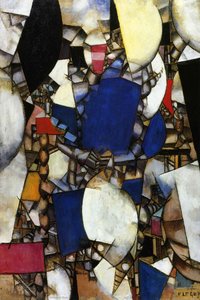
Marcel Duchamp’s enigmatic ‘The Bush,’ a Dada masterpiece from 1911, presents two women intertwined before a solitary tree against a serene blue backdrop—a bold challenge to artistic conventions and an invitation to contemplate the essence of perception.
Biografia artysty
Marcel Duchamp: Rewolucyjny artysta, który rzucił wyzwanie definicji sztuki poprzez dadaizm i readymades, takie jak „Fontanna”. Odkryj jego ikoniczne dzieła oraz filozoficzny wpływ na świat sztuki.
§ 3Komentarz
A Moment Frozen in Time: Marcel Duchamp’s “The Bush”
- Subject Matter: The painting depicts two women positioned before a tree, capturing an intimate tableau of companionship and contemplation. Their gaze is directed towards something unseen beyond the frame, inviting viewers to imagine its significance – perhaps a shared observation or unspoken connection.
- Style: Duchamp’s “The Bush” exemplifies Surrealist aesthetics, prioritizing dreamlike imagery and subconscious associations over rational representation. It abandons traditional artistic conventions in favor of an experimental approach that anticipates the broader developments of Dada and Surrealism.
Technique and Material Considerations
- Medium: Executed in oil on canvas, Duchamp utilized a meticulous layering technique characteristic of Impressionism but deliberately rejecting its focus on capturing fleeting visual impressions. Instead, he sought to create an atmosphere of stillness and quietude.
- Color Palette: The dominant hue is a serene blue, which serves as the backdrop for the figures and tree—a color often associated with tranquility, spirituality, and introspection. Subtle variations within the blue contribute to depth and visual harmony.
Historical Context – Dada’s Challenge to Artistic Norms
- Dada Movement: “The Bush” emerged during the Dada movement (1916-1923), a reaction against the horrors of World War I and the perceived hypocrisy of bourgeois society. Dada artists deliberately undermined established artistic standards, embracing chance operations and rejecting aesthetic judgments.
- Conceptual Art: Duchamp’s work is considered foundational to Conceptual art—an artistic practice that prioritizes ideas over visual appearance. “The Bush” embodies this ethos by questioning the very definition of sculpture and challenging viewers to reconsider their preconceptions about art’s role in society.
Symbolism and Emotional Resonance
- The Tree: The tree symbolizes resilience, growth, and connection to nature—themes frequently explored in Surrealist art. Its presence suggests a grounding force amidst the ethereal atmosphere of the scene.
- Female Figures: The two women represent femininity, vulnerability, and intimacy. Their posture conveys a sense of openness and receptiveness, inviting viewers to contemplate themes of connection and shared experience.
Interior Design Inspiration
- Mood: “The Bush” evokes feelings of serenity, contemplation, and understated beauty—qualities that align well with minimalist interior design styles. Its muted color palette and focus on form can serve as a powerful source of inspiration for creating calming and aesthetically pleasing spaces.
Pytania i odpowiedzi
Jakie miejsce w dorobku twórczym Marcel Duchamp zajmuje dzieło "The Bush"?
"The Bush" wpisuje się w nurt Cubist Surrealism w twórczości Marcel Duchamp, której charakterystyczne motywy obejmują formal experimentation, gender critique, anti-establishment spirit, conceptual challenge, duchamp legacy.
W jakiej technice wykonano „The Bush” – Marcel Duchamp?
Technika wykonania dzieła „The Bush” – Marcel Duchamp to Acrylic. Reprodukcje mają na celu wierne oddanie wyglądu tej techniki.
Jaki kolor dominuje w dziele "The Bush"?
Dominującym odcieniem dzieła „The Bush” – Marcel Duchamp jest Green to Violet Spectrum. Odcień ten stanowi bazową tonację palety barw.




 Przełącz na wydania drukowane


 W przypadku dzieł sztuki lub reprodukcji, których którykolwiek z boków przekracza 105 cm (około 41 cali), rama zostanie wysłana w formie zestawu do samodzielnego montażu. Metoda ta zapewnia bezpieczną dostawę i zapobiega uszkodzeniom podczas transportu.