


 Podgląd w skali 1:1
 Wyślij jako kartkę
 Udostępnij
 Szczegóły dzieła
 Przewodnik

 Pobierz obraz
 Podobne obiekty
 RTG
RTG Pokaz slajdów
 Statystyki
Thomas Jefferson


 Rozwiń treść
Ręcznie malowana reprodukcja olejowa
Ręcznie malowany obraz olejny na płótnie, wykonany na zamówienie przez naszych artystów w wybranym przez Ciebie wymiarze i oprawie. ( Przełącz na wydania drukowane Przejdź do wersji cyfrowej)




P118B zł10

P118H zł10

P118W zł10

P438Z zł10

P508JH zł12

P508YH zł12

P805H zł10

P805Z zł10

P919BZ zł10

P919G zł10

P919XJ zł10

P959ZH zł10

P968JZ zł12

W106C zł8

W218G zł10

W218JH zł8

W218Y zł10

W307PJ zł10

W316G zł10

W316PJ zł8

W316Y zł10

W398PJ zł8

W4111J zł10

W500HY zł15

W500JH zł15

W692G zł12

W849H zł8

W940BG zł15

W953PJ zł8




Wybierz spośród naszych standardowych rozmiarów, które zachowują oryginalne proporcje dzieła sztuki.

Wpisz wymaganą szerokość i wysokość, aby obraz pasował do Twojej ramy lub ściany. Ponieważ jest to dzieło malowane ręcznie, w przypadku rozmiaru o innych proporcjach artysta może domalować nieco więcej wokół obrazu lub przyciąć jego fragmenty — wybór należy do Ciebie. Przed rozpoczęciem pracy prześlemy Ci cyfrową wizualizację do zatwierdzenia. Obraz widoczny na tej stronie nie przedstawia rzeczywistego efektu — jedynie wizualizacja oddaje realny rezultat.
Po złożeniu zamówienia zespół AllPaintingsStore.com skontaktuje się z klientem drogą mailową w celu uzyskania instrukcji i prześle wizualizację projektu
Dostawa na całym świecie () w ciągu 3–4 tygodni zamiast standardowych 5 tygodni. (26 Październik). Bez kompromisów w kwestii jakości.

Bezpłatna ekspresowa wysyłka na cały świat

Wysokiej jakości płótno lniane

Pełne ubezpieczenie przesyłki

Gwarancja zwrotu należności celnych i podatków importowych

Gwarancja wiernego odwzorowania kolorów

100-dniowa polityka zwrotów (tylko w przypadku wad)

Gwarancja 100% zwrotu pieniędzy

Zniżka przy zakupie wielu sztuk
 Opcja ze szkłem jest dostępna wyłącznie w rozmiarach poniżej 110 cm

Thomas Jefferson
Technika reprodukcji
Wymiary reprodukcji
-


Cena całkowita
zł 990
Thomas Jefferson – A Portrait of Enlightenment
Mather Brown’s portrait of Thomas Jefferson, completed in 1786, stands as an emblem of the burgeoning neoclassical movement within British art during the late Enlightenment era. More than just a likeness of the third President of the United States, it embodies the intellectual ideals that defined his time – reason, virtue, and a profound engagement with classical philosophy.
- Subject Matter & Context: Jefferson himself—a man wrestling with contradictions inherent in his personal life and philosophical convictions. Painted against a backdrop of London’s artistic landscape, the portrait reflects Brown's ambition to capture not merely appearance but also character. The commission stemmed from John Adams’ suggestion during a visit between the two diplomats – a testament to their enduring friendship and shared intellectual pursuits.
- Style & Technique: Brown skillfully employed oil paint on canvas, utilizing meticulous brushstrokes to achieve remarkable textural depth and luminosity. Characteristic of neoclassical style, the composition adheres to strict geometric principles—a central pyramidal arrangement directing the viewer’s gaze upwards towards Jefferson’s face, emphasizing dignity and composure.
- Composition: The artist skillfully balanced Jefferson's figure against a richly textured red background, punctuated by a subtle statue in the distance symbolizing reason.
- Lighting & Perspective: Dramatic chiaroscuro—the interplay of light and shadow—creates an illusionistic space, highlighting Jefferson’s facial features and conveying a sense of introspection. Realistic perspective contributes to the painting's three-dimensional quality.
- Symbolism & Emotion: Beyond its formal elements, the portrait resonates with deeper symbolic meanings. The classical statue represents enlightenment ideals—knowledge and virtue—mirroring Jefferson’s commitment to humanist principles. Subtle melancholic undertones hint at the complexities of his internal struggles regarding slavery – a moral dilemma that haunted him throughout his life.
- Legacy & Reproduction: Today, Mather Brown's Jefferson remains an influential artwork, inspiring interior designers and collectors alike. High-quality reproductions capture the painting’s luminous palette and textural richness, allowing viewers to appreciate its enduring beauty and intellectual significance.
This captivating portrait transcends mere representation; it invites contemplation on the human condition—a timeless masterpiece reflecting the spirit of an era defined by transformative ideas.
Pytania i odpowiedzi
Jaki jest dominujący kolor dzieła „Thomas Jefferson” – Mather Brown?
Dominującym odcieniem w „Thomas Jefferson” – Mather Brown jest Gama złocistych żółci.
Czy "Thomas Jefferson" wpisuje się w typową tematykę twórczości Mather Brown?
Powracające motywy w twórczości Mather Brown obejmują classical ideals, british artistic tradition, political reflection, philosophical contemplation, jefferson’s legacy”; „Thomas Jefferson” koncentruje się na portrait, jefferson, neoclassicism, american history, philosopher, louisiana purchase, enlightenment ideals, early portraiture.
W jaki sposób kontrast i harmonia łączą się w "Thomas Jefferson"?
Kompozycja kolorystyczna „Thomas Jefferson” – Mather Brown łączy w sobie Zrównoważony kontrast z Zrównoważona harmonia harmonią.
Podobne dzieła


Biografia artysty
Transatlantyckie dziedzictwo Mathera Browna
Mather Brown jawi się jako fascynujący pomost między dwiema epokami, malarz, którego życie i twórczość ucieleśniały zmieniające się prądy przełomu XVIII i XIX wieku. Urodzony w Bostonie w 1761 roku, swoją artystyczną tożsamość kształtował w intelektualnym tyglu kolonialnej Ameryki, zanim odnalazł swą ostateczną ekspresję w wspaniałych studiach Londynu. Jego podróż to coś więcej niż tylko osobista kariera; jest ona odzwierciedleniem ruchu idei artystycznych – od rygorystycznych, ustrukturyzowanych zasad klasycyzmu ku emocjonalnemu, dramatycznemu duchowi romantyzmu. Ta transformacja pozwoliła Brownowi stać się wszechstronnym opowiadaczem historii, zdolnym do uchwycenia zarówno cichej godności portretu indywidualnego, jak i chaotycznego przepychu konfliktów historycznych.
Fundament mistrzostwa Browna można wywieść z jego wczesnych nauk pod okiem legendarnego Johna Singletona Copleya. Pod czujnym wzrokiem mistrza, Brown przyswoił sobie wagę skrupulatnego detalu oraz głębokie zrozumienie formy klasycznej. To szkolenie wyposażyło go w dyscyplinę techniczną niezbędną do poruszania się po konkurencyjnym europejskim rynku sztuki. Kiedy w 1mu 990 roku przeniósł się do Londynu, nie przybył tam jedynie jako przybysz, lecz jako przygotowany profesjonalista, szybko zdobywając swoje miejsce w prestiżowej Royal Academy. Członkostwo to było przełomowym osiągnięciem, sygnalizującym jego akceptację w najwyższych kręgach brytyjskiego establishmentu artystycznego i zapewniającym mu platformę do interakcji z najbardziej wpływowymi postaciami jego epoki.
Mistrz portretu i narracji historycznej
Twórczość Browna charakteryzuje się niezwykłą zdolnością adaptowania techniki do potrzeb tematu. W swojej portrecie posiadał on niezwykły dar oddawania subtelnych niuansów charakteru oraz statusu społecznego. Jego wizerunki postaci tak znamienitych jak Thomas Jefferson czy Benjamin West demonstrują przenikliwe oko do politycznych i społecznych prądów epoki, nadając swoim podmiotom poczucie trwałości i powagi. Bez względu na to, czy chwytał wyrafinowaną elegancję w Lady with a Dog, czy pełną godności obecność w portrecie Thomas Lowton, Brown wykorzystywał światło i teksturę, by tworzyć na płótnie żywe, oddychające postaci.
Poza intymną skalą portretu, Brown dążył do uchwycenia epickości. Był malarzem wielkich ambicji, często kierując swoją uwagę ku płótnom historycznym, które wymagały biegłości w złożonej kompozycji i dramatycznym ruchu. Jego dzieło The Battle of the drog Nile stanowi szczyt tego podejścia, w którym odszedł od statycznych form klasycznych na rzecz przyjęcia wirującej energii i wizceralnej intensywności walk morskich. W tych większych pracach można dostrzec wyłanianie się wrażliwości romantycznej – skupienie na tym, co wzniosłe, potężne i transformujące naturę wydarzeń historycznych.
Znaczenie artystyczne i trwałe wrażenie
Znaczenie Mathera Browna tkwi w jego roli jako kulturowego łącznika. Łącząc precyzję amerykańskiego wykształcenia z innowacjami stylistycznymi londyńskiej sceny artystycznej, pomógł ukształtować język wizualny ery definiowanej przez rewolucję i przełom. Jego zdolność do poruszania się między formalnymi wymogami zamówionego portretu a narracyjnymi potrzebami malarstwa historycznego pozwoliła mu pozostawić trwały ślad zarówno w brytyjskiej, jak i amerykańskiej świadomości artystycznej.
Dziś jego dzieła pozostają kluczowymi punktami odniesienia dla zrozumienia ewolucji sztuki zachodniej. Poprzez jego płótna jesteśmy świadkami:
- Przecięcia się stylów: bezszwowego łączenia klasycystycznej struktury z romantyczną emocją.
- Dokumentacji historycznej: zachowania podobizn i dziedzictwa najważniejszych postaci Oświecenia.
- Technicznego mistrzostwa: trwałej doskonałości w oddawaniu tkanin, światła i ludzkiej ekspresji, która nieustannie zachwyca współczesnych widzów.

Mather Brown
1761 - 1831 , Stany Zjednoczone
Krótka nota
- Artistic Movement Or Style: Neoklasycyzm/Romantyzm
- Artists Or Movements Influenced By This Artist: ['Royal Academy']
- Artists Who Influenced This Artist: ['Benjamin West']
- Date Of Birth: 1761
- Full Name: Mather Brown
- Nationality: Amerykański
- Notable Artworks:
- Romeo i Julia
- Reverend Alban Thomas Gwynne
- Place Of Birth: Boston, Stany Zjednoczone Ameryki
Powiązane artykuły
Amerykański Realizm: 10 Arcydzieł, Które Zdefiniowały Epokę | AllPaintingsStore
Poznaj 10 arcydzieł amerykańskiego realizmu! Odkryj historie Winslowa Homera, Edwarda Hoppera i innych mistrzów. Reprodukcje obrazów najwyższej jakości – inspiracje do Twojego wnętrza na AllPaintingsStore.com
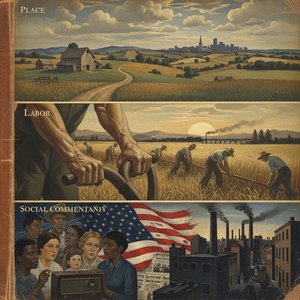
Amerykański Regionalizm: Studium Tożsamości w Obrazach Pracy, Miejsca i Krytyki Społecznej
Poznaj fascynujący świat amerykańskiego regionalizmu! Analiza kluczowych artystów, wpływ Wielkiego Kryzysu na sztukę i symbolika krajobrazu. Ekspercka analiza dla miłośników historii sztuki.

Asher Brown Durand: Luminism, Landscape & the American Ideal – A Comprehensive Exploration
Explore the life & art of Asher Brown Durand, a founding member of the Hudson River School. Discover his masterful landscapes, Luminist techniques, and lasting impact on American painting. Learn about key works like 'Kindred Spirits' & collecting Durand today.

Grant Wood & American Regionalism: Identity, Myth & the Rural Landscape
Explore the world of Grant Wood & American Regionalism with AllPaintingsStore. Discover the symbolism behind 'American Gothic', recurring themes, and the movement's lasting impact on art history. High-quality reproductions available.

John George Brown: Capturing American Life & Sentiment in 19th-Century Genre Painting
Explore the captivating genre paintings of John George Brown, celebrated for his realistic depictions of 19th-century American life. Discover his legacy & find museum-quality reproductions at AllPaintingsStore.


