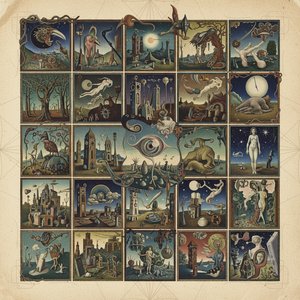
1941. Oil On Canvas, 112.0 x 146.0 cm.

§ 1Catalogue data
 Oil On Canvas
- WallArt
- Surrealism
 1941
1941- Late Medieval
 112.0 x 146.0 cm
Ten utwór podlega ochronie prawem autorskim
Dzieło sztuki prezentowane na tej stronie podlega ochronie prawem autorskim, co oznacza, że nie mamy prawa do tworzenia ani sprzedaży jego identycznej reprodukcji. Ochrona ta jest egzekwowana na mocy umów międzynarodowych, takich jak Konwencja berneńska oraz przez przepisy prawa krajowego, w tym te określone w Prawo autorskie USA – Tytuł 17.
Jako pełną szacunku i legalną alternatywę oferujemy personalizowane, malowane ręcznie dzieła sztuki inspirowane oryginałem. Nasi wykwalifikowani i profesjonalni artyści starannie analizują styl, nastrój oraz artystyczną esencję pierwowzoru, aby stworzyć nowe, unikalne dzieło, które przywołuje te same emocje – pozostając jednocześnie w pełni oryginalną kreacją.
Metoda ta jest w pełni zgodna z przepisami prawa autorskiego, ponieważ nie polega na kopiowaniu ani powielaniu chronionego dzieła. Stanowi ona kreatywną reinterpretację – nowy obraz, który czerpie inspirację z oryginału, ale nie jest z nim tożsamy.
 Dowiedz się więcej
§ 2Abstract
Opis obiektu
Max Ernst's "Day and Night" is a surrealist masterpiece blending multiple images & sculptures into a dreamlike composition. Explore the layers of symbolism and artistic innovation within this iconic 1941 painting.
Biografia artysty
Max Ernst (1891-1976) – niemiecki malarz surrealisty i dadaista. Znany z technik frottage, kolaży i symbolicznych obrazów ptaków oraz krajobrazów. Jego twórczość wywarła ogromny wpływ na sztukę XX wieku.
§ 3Commentary
The Enigmatic Landscape of Dreams: Unpacking “Day and Night”
Max Ernst’s “Day and Night,” painted in 1941, isn't merely a depiction of opposing forces; it’s an immersive descent into the subconscious. This oil-on-canvas work, measuring a substantial 112 x 146 cm, immediately captivates with its layered complexity – a deliberate orchestration of fragmented images, embedded paintings, and scattered sculptures that defy easy interpretation. Ernst, a pivotal figure in both Dada and Surrealism, masterfully employs his signature technique to challenge the viewer’s perception, inviting us into a world where logic dissolves and dreams take precedence. The painting isn't about representing reality; it’s about evoking a feeling – a potent blend of mystery, disorientation, and profound psychological depth.
The initial impact is one of controlled chaos. Rectangular frames, reminiscent of picture windows or portals, dominate the composition, each containing miniature scenes that seem to bleed into one another. These aren’t static snapshots; they're glimpses of fleeting moments, distorted landscapes, and abstract textures. The deliberate use of repetition – the recurring presence of these framed images – creates a hypnotic effect, drawing the eye deeper into the painting’s intricate web. Notice how some frames seem to be looking out at us, while others are lost within their own contained worlds, suggesting an exploration of both introspection and external observation.
Surrealist Techniques: A Symphony of Disparate Elements
Ernst's genius lies in his ability to seamlessly blend seemingly incompatible elements. “Day and Night” is a prime example of his mastery of Surrealist techniques, particularly the incorporation of frottage – a method he pioneered involving rubbing textured materials onto paper to create random patterns – and decalcomania, where paint is transferred from one surface to another under pressure. These processes deliberately introduce chance and spontaneity into the creative process, liberating the artist from conscious control and allowing subconscious associations to emerge. The inclusion of sculptures further amplifies this effect; they aren’t simply decorative additions but integral components of the painting's narrative, adding a tactile dimension to the visual experience.
Consider the interplay of light and shadow within the framed images. Some scenes are bathed in an almost ethereal glow, suggesting twilight or dawn, while others are shrouded in darkness, hinting at the mysteries of night. This duality is not merely aesthetic; it reflects Ernst’s broader exploration of opposing forces – day versus night, consciousness versus unconsciousness, order versus chaos. The careful manipulation of color—primarily dark blues and browns punctuated by flashes of vibrant hues within the framed images—contributes significantly to this evocative atmosphere.
Historical Context & Symbolic Resonance
“Day and Night” was created during a period of immense social and artistic upheaval – the early 1940s, amidst the turmoil of World War II. Surrealism, as a movement, offered an escape from the horrors of reality by delving into the realm of dreams and the subconscious. Ernst’s work aligns perfectly with this ethos, providing a visual language for exploring anxieties, fears, and desires that lie beneath the surface of everyday life. The inclusion of embedded paintings within the larger composition can be interpreted as a commentary on art itself – questioning its ability to accurately represent reality or offering alternative pathways to understanding.
Furthermore, the painting’s symbolism is rich and layered. The scattered sculptures could represent fragments of memory, lost identities, or the remnants of shattered dreams. The overall composition suggests a journey through an internal landscape—a quest for meaning in a world seemingly devoid of order. It's a testament to Ernst's ability to distill complex psychological themes into a single, powerfully evocative image.
Bringing “Day and Night” Home: A Reproduction Worth Cherishing
AllPaintingsStore offers meticulously crafted hand-painted reproductions of Max Ernst’s “Day and Night,” allowing you to bring this extraordinary artwork into your own space. Our skilled artists replicate Ernst's intricate techniques with the utmost care, ensuring that every detail—from the subtle textures to the nuanced color palette—is faithfully reproduced. Whether adorning a gallery wall or serving as a focal point in a living room, this reproduction will serve as a constant source of contemplation and inspiration. Explore our high-resolution images and select the size and canvas material that best suits your vision. Discover more about “Day and Night” on AllPaintingsStore.
Pytania i odpowiedzi
Jaka jest technika i wymiary dzieła „Day and Night” – Max Ernst?
"Day and Night" powstało przy użyciu Oil On Canvas i w swojej oryginalnej formie ma wymiary 112 x 146 cm.
Czy istnieje karta informacyjna o „Day and Night” – Max Ernst przeznaczona dla studentów?
Przewodnik po "Day and Night" to strona Karta informacyjna dla uczniów dzieła sztuki – nadrukowalna karta informacyjna zawierająca opis utworu, informacje o autorstwie oraz tabelę danych (artysta, daty, technika, wymiary oryginału, kolekcja).
Czy „Day and Night” – Max Ernst to portret, pejzaż czy kompozycja kwadratowa?
„Day and Night” – Max Ernst to kompozycja w formacie Landscape. Warto sprawdzić proporcje przed wyborem rozmiaru wydruku.



 Przełącz na wydania drukowane


 W przypadku dzieł sztuki lub reprodukcji, których którykolwiek z boków przekracza 105 cm (około 41 cali), rama zostanie wysłana w formie zestawu do samodzielnego montażu. Metoda ta zapewnia bezpieczną dostawę i zapobiega uszkodzeniom podczas transportu.