

Acrylic.

§ 1Catalogue data

Ten utwór podlega ochronie prawem autorskim
Dzieło sztuki prezentowane na tej stronie podlega ochronie prawem autorskim, co oznacza, że nie mamy prawa do tworzenia ani sprzedaży jego identycznej reprodukcji. Ochrona ta jest egzekwowana na mocy umów międzynarodowych, takich jak Konwencja berneńska oraz przez przepisy prawa krajowego, w tym te określone w Prawo autorskie USA – Tytuł 17.
Jako pełną szacunku i legalną alternatywę oferujemy personalizowane, malowane ręcznie dzieła sztuki inspirowane oryginałem. Nasi wykwalifikowani i profesjonalni artyści starannie analizują styl, nastrój oraz artystyczną esencję pierwowzoru, aby stworzyć nowe, unikalne dzieło, które przywołuje te same emocje – pozostając jednocześnie w pełni oryginalną kreacją.
Metoda ta jest w pełni zgodna z przepisami prawa autorskiego, ponieważ nie polega na kopiowaniu ani powielaniu chronionego dzieła. Stanowi ona kreatywną reinterpretację – nowy obraz, który czerpie inspirację z oryginału, ale nie jest z nim tożsamy.
 Dowiedz się więcej
§ 2Abstract
Opis obiektu
Max Ernst’s haunting Landscape 1 captures surrealist contemplation amidst weathered rocks and abstracted forms—a Dada-influenced Cubist masterpiece exploring inner landscapes and inviting you to experience the unsettling beauty of this iconic artwork.
Biografia artysty
Max Ernst (1891-1976) – niemiecki malarz surrealisty i dadaista. Znany z technik frottage, kolaży i symbolicznych obrazów ptaków oraz krajobrazów. Jego twórczość wywarła ogromny wpływ na sztukę XX wieku.
§ 3Commentary
A Moment of Observation Amidst the Grainy Embrace of Surrealism
Max Ernst’s “Landscape,” painted in 1957, isn't merely a depiction of a rural scene; it’s an embodiment of the core tenets of Surrealist art – a deliberate disruption of rational thought and a fascination with the subconscious mind. This striking piece showcases Ernst’s signature blend of Cubism and Dada influences, resulting in an image that feels both meticulously crafted and profoundly unsettling.
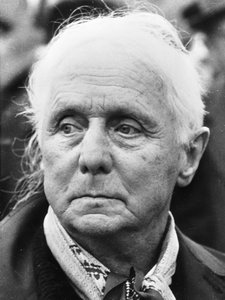
- Subject Matter: The painting captures a solitary man standing before a rugged landscape dominated by weathered rocks and sparse trees. He gazes intently off-camera, suggesting contemplation and perhaps a preoccupation with something unseen – a hidden narrative within the stillness of nature.
- Style & Technique: Ernst employs textured brushstrokes—characteristic of Dada’s rejection of academic conventions—to convey the palpable atmosphere of a cloudy day. The muted palette reinforces this mood, prioritizing tonal variation over vibrant color to heighten emotional resonance.
Decoding Symbolism Within Geometric Forms
Beyond its visual appeal lies a rich tapestry of symbolic references. Ernst’s use of geometric shapes—particularly angular rocks and abstracted tree trunks—reflects the Surrealists' preoccupation with dismantling traditional representations. These forms aren’t meant to mirror reality but rather to evoke psychological states, mirroring the fragmented perceptions inherent in dreams.
- Geometric Composition: The arrangement of rocks and trees isn’t accidental; it adheres to principles of Cubism, fracturing perspective and presenting multiple viewpoints simultaneously. This technique underscores the Surrealists' belief that reality is subjective and that art should explore inner landscapes as much as outer ones.
- Birds in Flight: Two birds—one perched high on a tree branch and another drifting across the sky—represent freedom and aspiration, albeit viewed through a lens of uncertainty. Their positioning reinforces the painting’s contemplative mood and invites viewers to ponder the significance of observation.
Historical Context & Ernst's Artistic Vision
Painted during the height of Surrealism’s influence—a movement born from disillusionment with postwar Europe— “Landscape” speaks to a broader philosophical concern: the exploration of irrationality and the confrontation with anxieties surrounding societal change. Ernst, deeply impacted by Freud’s psychoanalytic theories, sought to liberate art from the constraints of logic, prioritizing intuition and dreamlike imagery.
- Influence of Dada: The painting's rejection of conventional artistic standards aligns perfectly with Dada’s rebellious spirit—a reaction against bourgeois values and a celebration of chance and spontaneity.
- Philosophical Engagement: Ernst wasn’t simply interested in creating beautiful pictures; he aimed to provoke thought, challenging viewers to question their assumptions about the world and embracing the unsettling potential of subconscious revelation.
Emotional Resonance & Artistic Legacy
"Landscape" transcends its formal elements to convey a profound sense of solitude and wonder. It captures the quiet contemplation of someone encountering something extraordinary—a hidden beauty or an unspoken truth—within the seemingly mundane expanse of nature. Ernst’s enduring contribution to art history lies in his unwavering commitment to artistic experimentation and his courageous exploration of the human psyche, cementing “Landscape” as a cornerstone of Surrealist aesthetics.
Pytania i odpowiedzi
Czy "Landscape 1" to słynne dzieło nurtu Surrealist Landscape?
W ramach nurtu Surrealist Landscape, dzieło „Landscape 1” cechuje się poziomem popularności Recognized.
Czy kolory w "Landscape 1" są intensywne czy stonowane?
Kolory w „Landscape 1” – Max Ernst charakteryzują się Balanced intensywnością.
Jaki jest zalecany format i orientacja druku dla "Landscape 1"?
Zalecany rozmiar wydruku dzieła „Landscape 1” – Max Ernst to Large w orientacji Landscape.


 Przełącz na wydania drukowane


 W przypadku dzieł sztuki lub reprodukcji, których którykolwiek z boków przekracza 105 cm (około 41 cali), rama zostanie wysłana w formie zestawu do samodzielnego montażu. Metoda ta zapewnia bezpieczną dostawę i zapobiega uszkodzeniom podczas transportu.


