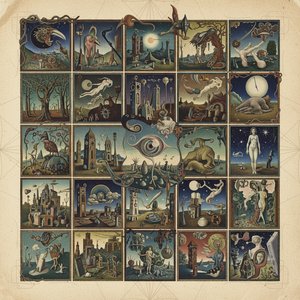
1920. Acrylic, 25.0 x 18.0 cm.

§ 1Dane katalogowe

- 25.0 x 18.0 cm


Ten utwór podlega ochronie prawem autorskim
Dzieło sztuki prezentowane na tej stronie podlega ochronie prawem autorskim, co oznacza, że nie mamy prawa do tworzenia ani sprzedaży jego identycznej reprodukcji. Ochrona ta jest egzekwowana na mocy umów międzynarodowych, takich jak Konwencja berneńska oraz przez przepisy prawa krajowego, w tym te określone w Prawo autorskie USA – Tytuł 17.
Jako pełną szacunku i legalną alternatywę oferujemy personalizowane, malowane ręcznie dzieła sztuki inspirowane oryginałem. Nasi wykwalifikowani i profesjonalni artyści starannie analizują styl, nastrój oraz artystyczną esencję pierwowzoru, aby stworzyć nowe, unikalne dzieło, które przywołuje te same emocje – pozostając jednocześnie w pełni oryginalną kreacją.
Metoda ta jest w pełni zgodna z przepisami prawa autorskiego, ponieważ nie polega na kopiowaniu ani powielaniu chronionego dzieła. Stanowi ona kreatywną reinterpretację – nowy obraz, który czerpie inspirację z oryginału, ale nie jest z nim tożsamy.
 Dowiedz się więcej
§ 2Abstrakcja
Opis obiektu
Max Ernst’s surrealist masterpiece ‘Pleiades’ captures a mesmerizing woman submerged in the ocean depths, adorned with a bird symbolizing freedom and contemplation—a striking visual testament to his intellectual exploration of psychology and art history.
Biografia artysty
Max Ernst (1891-1976) – niemiecki malarz surrealisty i dadaista. Znany z technik frottage, kolaży i symbolicznych obrazów ptaków oraz krajobrazów. Jego twórczość wywarła ogromny wpływ na sztukę XX wieku.
§ 3Komentarz
A Vision of Mythic Femininity: Exploring Max Ernst’s “Pleiades”
The painting "Pleiades," created by German Surrealist artist Max Ernst in 1920, transcends mere visual representation; it's a deliberate invocation of myth and psychology, meticulously crafted to unsettle the viewer and provoke contemplation. Measuring 25 x 18 cm, this artwork embodies Ernst’s signature approach – blending disparate elements into a cohesive dreamscape that speaks volumes about the anxieties and aspirations of its time.- Subject Matter: At first glance, “Pleiades” presents a woman bathed in an ethereal glow, her head tilted back as if gazing upwards towards the heavens. This posture immediately establishes a connection to classical mythology, referencing the Pleiades – seven sisters of Greek legend who are said to guide sailors across turbulent seas. The woman’s nudity symbolizes vulnerability and purity, juxtaposed against the presence of a bird perched on her shoulder—a motif frequently employed by Ernst to represent freedom and instinct.
- Style & Technique: Ernst's Surrealist style is characterized by automatism – a technique he pioneered alongside André Breton – where artists attempt to bypass conscious thought and tap into the subconscious mind. This is evident in the collage-like construction of “Pleiades,” incorporating meticulously arranged rocks, fish, and other aquatic creatures. The artist utilized oil paint on canvas, applying it with textured brushstrokes that contribute to the painting’s palpable atmosphere.
Historical Context: Surrealism's Response to Trauma
The creation of “Pleiades” occurred during a period marked by profound upheaval – the aftermath of World War I and the burgeoning influence of psychoanalysis spearheaded by Sigmund Freud. Surrealist artists sought to liberate art from rational constraints, exploring irrationality, dreams, and repressed desires as pathways to artistic expression. Ernst’s preoccupation with mythology reflects this broader intellectual movement's fascination with archetypal narratives and their ability to illuminate the human psyche.
Symbolism Beyond Representation
Beyond its immediate visual elements, “Pleiades” is laden with symbolic significance. The bird symbolizes aspiration and transcendence, mirroring the Pleiades’ celestial journey. The woman's gaze upward suggests a yearning for spiritual enlightenment—a desire to escape the limitations of earthly existence. Furthermore, the rocks represent stability amidst chaos, grounding the ethereal figures within a tangible realm.
Emotional Impact & Artistic Legacy
"Pleiades" isn’t merely aesthetically pleasing; it's designed to elicit an emotional response from the viewer. Ernst’s masterful manipulation of color and texture creates a sense of unease and wonder, inviting contemplation on themes of femininity, mythology, and the subconscious mind. It remains a cornerstone of Surrealist art history, demonstrating Ernst’s ability to distill complex psychological ideas into striking visual imagery—a testament to his enduring influence on subsequent generations of artists.
Pytania i odpowiedzi
Czy dzieło "Pleiades" jest w ogólnym rozrachunku jaśniejsze czy ciemniejsze?
„Pleiades” charakteryzuje się ogólną jasnością na poziomie bright, a jej luminancja wynosi Gentle Luminance.
Jakie inne pseudonimy lub nazwy stosuje Max Ernst?
Max Ernst jest znany/a również pod pseudonimami: Maksimilian Ernest Rottluff.
Czy dostępny jest plik do pobrania w wysokiej rozdzielczości dla "Pleiades"?
„Pleiades” jest dostępny jako wysokiej rozdzielczości cyfrowe zdjęcie do pobrania; można go nabyć bezpośrednio na stronie Cyfrowy obraz.



 Przełącz na wydania drukowane


 W przypadku dzieł sztuki lub reprodukcji, których którykolwiek z boków przekracza 105 cm (około 41 cali), rama zostanie wysłana w formie zestawu do samodzielnego montażu. Metoda ta zapewnia bezpieczną dostawę i zapobiega uszkodzeniom podczas transportu.