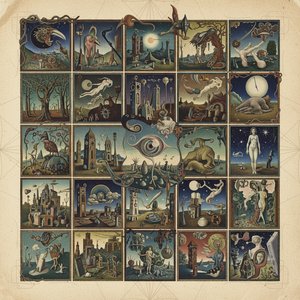
Collage.

§ 1Catalogue data


Ten utwór podlega ochronie prawem autorskim
Dzieło sztuki prezentowane na tej stronie podlega ochronie prawem autorskim, co oznacza, że nie mamy prawa do tworzenia ani sprzedaży jego identycznej reprodukcji. Ochrona ta jest egzekwowana na mocy umów międzynarodowych, takich jak Konwencja berneńska oraz przez przepisy prawa krajowego, w tym te określone w Prawo autorskie USA – Tytuł 17.
Jako pełną szacunku i legalną alternatywę oferujemy personalizowane, malowane ręcznie dzieła sztuki inspirowane oryginałem. Nasi wykwalifikowani i profesjonalni artyści starannie analizują styl, nastrój oraz artystyczną esencję pierwowzoru, aby stworzyć nowe, unikalne dzieło, które przywołuje te same emocje – pozostając jednocześnie w pełni oryginalną kreacją.
Metoda ta jest w pełni zgodna z przepisami prawa autorskiego, ponieważ nie polega na kopiowaniu ani powielaniu chronionego dzieła. Stanowi ona kreatywną reinterpretację – nowy obraz, który czerpie inspirację z oryginału, ale nie jest z nim tożsamy.
 Dowiedz się więcej
§ 2Abstract
Opis obiektu
Max Ernst’s surrealist masterpiece ‘Scène’ captures a captivating tableau of birds amidst a striking blue box adorned with red trim—a testament to his intellectual exploration and rebellious spirit within the art deco era.
Biografia artysty
Max Ernst (1891-1976) – niemiecki malarz surrealisty i dadaista. Znany z technik frottage, kolaży i symbolicznych obrazów ptaków oraz krajobrazów. Jego twórczość wywarła ogromny wpływ na sztukę XX wieku.
§ 3Commentary
A Surreal Encounter: The Dreamscape of Max Ernst
In the enigmatic realm of Max Ernst’s “Scène,” the boundaries between reality and the subconscious dissolve into a hauntingly beautiful tableau. At first glance, the viewer is met with a striking juxtaposition of avian figures—a central bird poised in a moment of intense, almost predatory contemplation, gazing intently at a blue box adorned with a sharp red trim. This singular focus is balanced by the presence of smaller birds strategically placed throughout the composition, creating a sense of a hidden, miniature ecosystem. The painting does not merely depict a scene; it constructs a psychological landscape where every element feels heavy with unspoken meaning, inviting the observer to peer into the depths of a dream.
The technique employed in “Scène” is a masterclass in the Surrealist fascination with texture and tactile depth. Ernst, a pioneer of collage and mixed media, utilizes surfaces that appear to breathe with life, incorporating elements reminiscent of paper pulp and burlap. This creates a rugged, organic quality that contrasts beautifully with the more deliberate, geometric lines of the blue box. Through these layered textures, Ernst achieves a sense of automatism—the spontaneous, uncontrolled creation intended to bypass rational thought and tap into primal instincts. For the collector or interior designer, this tactile richness offers a profound sensory experience, making the artwork a centerpiece that commands attention through its physical presence as much as its visual mystery.
Symbolism and the Subconscious Mind
To understand “Scène” is to engage with the historical heartbeat of the Surrealist movement. Created during the height of Surrealism’s influence in the early 20th century, the work reflects a period of intense artistic rebellion against the constraints of realism. The blue box, a stark and contained object, serves as a potent symbol of repression or perhaps the containment of secrets, standing in direct opposition to the bird’s gaze, which radiates curiosity and an unquenchable yearning for discovery. This tension between the enclosed and the searching is what gives the piece its enduring emotional resonance.
The color palette, dominated by deep blues and punctuations of vibrant red, amplifies a sense of melancholy intertwined with intrigue. As one contemplates the placement of the secondary birds, a narrative of interconnectedness begins to emerge, suggesting that no element in this surreal world exists in isolation. For those seeking to adorn a space with art that provokes thought, “Scène” offers an unparalleled emotional impact; it evokes a profound sense of unease and wonder, compelling viewers to confront unsettling ideas about perception and the hidden truths of our own reality. It is more than a painting—it is a window into the beautifully fractured psyche.
Pytania i odpowiedzi
Jaka jest luminancja dzieła „Scène” – Max Ernst?
Jasność zarejestrowana dla „Scène” – Max Ernst wynosi Dark.
Czy „Scène” – Max Ernst to znane dzieło sztuki?
Poziom popularności dla „Scène” – Max Ernst wynosi Iconic.
Co przedstawia „Scène” – Max Ernst?
Tematyka obecna w „Scène” – Max Ernst obejmuje bird symbolism, geometric form, blue box motif, red border accent, multiple birds, psychological depth, artistic composition. Razem stanowią one podsumowanie tematyki dzieła.



 Przełącz na wydania drukowane


 W przypadku dzieł sztuki lub reprodukcji, których którykolwiek z boków przekracza 105 cm (około 41 cali), rama zostanie wysłana w formie zestawu do samodzielnego montażu. Metoda ta zapewnia bezpieczną dostawę i zapobiega uszkodzeniom podczas transportu.