

Acrylic On Canvas.

§ 1Dane katalogowe

Ten utwór podlega ochronie prawem autorskim
Dzieło sztuki prezentowane na tej stronie podlega ochronie prawem autorskim, co oznacza, że nie mamy prawa do tworzenia ani sprzedaży jego identycznej reprodukcji. Ochrona ta jest egzekwowana na mocy umów międzynarodowych, takich jak Konwencja berneńska oraz przez przepisy prawa krajowego, w tym te określone w Prawo autorskie USA – Tytuł 17.
Jako pełną szacunku i legalną alternatywę oferujemy personalizowane, malowane ręcznie dzieła sztuki inspirowane oryginałem. Nasi wykwalifikowani i profesjonalni artyści starannie analizują styl, nastrój oraz artystyczną esencję pierwowzoru, aby stworzyć nowe, unikalne dzieło, które przywołuje te same emocje – pozostając jednocześnie w pełni oryginalną kreacją.
Metoda ta jest w pełni zgodna z przepisami prawa autorskiego, ponieważ nie polega na kopiowaniu ani powielaniu chronionego dzieła. Stanowi ona kreatywną reinterpretację – nowy obraz, który czerpie inspirację z oryginału, ale nie jest z nim tożsamy.
 Dowiedz się więcej
§ 2Abstrakcja
Opis obiektu
Discover 'Triangles' by Max Ernst – a captivating collage exploring geometric forms & vibrant colors. Surrealist masterpiece from a Dada pioneer. Explore now!
Biografia artysty
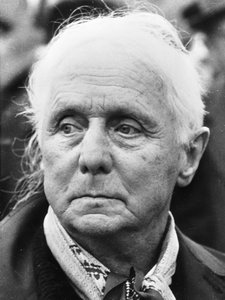
Max Ernst (1891-1976) – niemiecki malarz surrealisty i dadaista. Znany z technik frottage, kolaży i symbolicznych obrazów ptaków oraz krajobrazów. Jego twórczość wywarła ogromny wpływ na sztukę XX wieku.
§ 3Komentarz
A Floral Geometry: Decoding Max Ernst’s ‘Triangles’
This captivating work by Max Ernst, titled ‘Triangles’, presents a fascinating departure within his already diverse oeuvre. Rather than the unsettling dreamscapes or frottage textures he is often known for, this piece offers a surprisingly delicate and structured composition – a flower meticulously constructed from geometric forms. The artwork immediately draws the eye with its unconventional representation of natural beauty.Style & Technique: A Synthesis of Surrealism and Abstraction
While firmly rooted in Surrealism, ‘Triangles’ also displays strong leanings towards abstraction, particularly Constructivism. Ernst masterfully blends these influences. The use of sharply defined triangles to build the floral form is a deliberate rejection of traditional representational painting. It's likely a mixed media or collage work, given the potential for varied textures and layering inherent in such a construction. This technique allows Ernst to deconstruct and rebuild the image of a flower, presenting it not as observed reality but as an intellectual concept. The artist’s signature confirms its authenticity and places it within his established body of work.Historical Context: Post-War Innovation
Created sometime during Ernst's prolific career (1891-1976), ‘Triangles’ reflects the artistic ferment following World War II. Ernst, a veteran of both World Wars and a key figure in both Dada and Surrealism, was constantly experimenting with new forms of expression. This period saw a growing interest in geometric abstraction as artists sought to move beyond representational art and explore the fundamental elements of form and color. The work subtly echoes similar explorations by contemporaries like Wassily Kandinsky (as seen in “On the Points”), though Ernst imbues his geometry with an organic subject matter.Symbolism & Interpretation: Deconstructing Nature
The choice of triangles is significant. Triangles, as fundamental geometric shapes, can symbolize stability, direction, and even conflict. Here, their repetition suggests a systematic analysis of natural forms – a dismantling and reassembly of the flower’s essence. The predominantly green palette evokes growth, life, and connection to the earth, grounding the abstract composition. The subtle inclusion of blue accents adds depth and a touch of ethereal quality, hinting at the unseen forces within nature. Is Ernst suggesting that even seemingly organic forms are built upon underlying mathematical principles? Or is he simply exploring the visual possibilities of geometric abstraction applied to a natural subject?Emotional Impact & Interior Design Considerations
‘Triangles’ evokes a sense of quiet contemplation and intellectual curiosity. It's not an overtly emotional work, but its subtle beauty and intriguing composition invite prolonged viewing and interpretation. Its color palette – primarily greens with blue accents – makes it incredibly versatile for interior design. The artwork would complement modern or contemporary spaces, adding a sophisticated touch without overwhelming the room. Its geometric nature also lends itself well to minimalist settings, providing a focal point that is both visually striking and intellectually stimulating. It’s a piece that rewards close attention and offers new discoveries with each viewing – a testament to Ernst's enduring artistic vision.Pytania i odpowiedzi
Co łączy "Triangles" z resztą twórczości Max Ernst?
W dorobku Max Ernst, "Triangles" wpisuje się w styl Surrealism, nawiązując do tematów takich jak surrealist geometry, dada collage spirit, ernst's abstract forms, chromatic exploration, deconstructed nature, psychological depth, early modern vision, fragmented reality.
Jaki jest ogólny nastrój dzieła „Triangles” – Max Ernst?
"Triangles" ma Serene atmosferę.
Czy mogę obejrzeć "Triangles" w formie pełnoekranowej prezentacji slajdów?
Prezentację slajdów utworu "Triangles" można obejrzeć na stronie Prezentacja slajdów tego dzieła.


 Przełącz na wydania drukowane


 W przypadku dzieł sztuki lub reprodukcji, których którykolwiek z boków przekracza 105 cm (około 41 cali), rama zostanie wysłana w formie zestawu do samodzielnego montażu. Metoda ta zapewnia bezpieczną dostawę i zapobiega uszkodzeniom podczas transportu.


