

.

§ 1Dane katalogowe


Ten utwór podlega ochronie prawem autorskim
Dzieło sztuki prezentowane na tej stronie podlega ochronie prawem autorskim, co oznacza, że nie mamy prawa do tworzenia ani sprzedaży jego identycznej reprodukcji. Ochrona ta jest egzekwowana na mocy umów międzynarodowych, takich jak Konwencja berneńska oraz przez przepisy prawa krajowego, w tym te określone w Prawo autorskie USA – Tytuł 17.
Jako pełną szacunku i legalną alternatywę oferujemy personalizowane, malowane ręcznie dzieła sztuki inspirowane oryginałem. Nasi wykwalifikowani i profesjonalni artyści starannie analizują styl, nastrój oraz artystyczną esencję pierwowzoru, aby stworzyć nowe, unikalne dzieło, które przywołuje te same emocje – pozostając jednocześnie w pełni oryginalną kreacją.
Metoda ta jest w pełni zgodna z przepisami prawa autorskiego, ponieważ nie polega na kopiowaniu ani powielaniu chronionego dzieła. Stanowi ona kreatywną reinterpretację – nowy obraz, który czerpie inspirację z oryginału, ale nie jest z nim tożsamy.
 Dowiedz się więcej
§ 2Abstrakcja
Opis obiektu
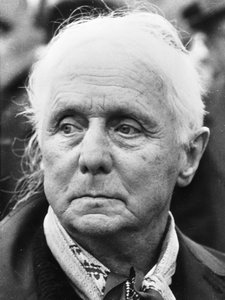
Max Ernst was a pioneering figure in Surrealism, known for his exploration of the unconscious mind through distorted forms and vibrant colors. He experimented with various techniques like *frottage* and *grattage*, creating dreamlike imagery. Brühl Germany 1891 1976 Max Ernst A surrealist painting depicting a monstrous figure with a frowning face, wearing a jaunty hat. It's characterized by
Biografia artysty
Pionier surrealizmu znany z techniki frottage i kolażu. Odkryj jego oniryczne arcydzieła już dziś.
§ 3Komentarz
A Whimsical Enigma: Exploring Max Ernst’s ‘Untitled 3’
This captivating painting by Max Ernst presents a delightfully unsettling image – a red and blue monster, seemingly burdened by a frown and sporting a jaunty hat. The creature dominates the canvas, its substantial belly suggesting a playful yet slightly menacing presence. Two smaller figures recede into the background, hinting at a narrative just beyond our grasp, inviting speculation about their relationship to the central figure.Decoding the Surrealist Style
‘Untitled 3’ is deeply rooted in the Surrealist movement, of which Ernst was a pivotal pioneer. Emerging from the ashes of Dadaism after World War I, Surrealism sought to unlock the power of the unconscious mind, rejecting rational thought in favor of dreams, fantasy, and irrationality. This work embodies that ethos perfectly. The monster isn’t rendered with anatomical accuracy; instead, it's a composite being born from Ernst’s imagination – a visual manifestation of inner psychological landscapes. The distorted form and vibrant, yet somewhat jarring color palette are hallmarks of Surrealist aesthetics.Technique & Materials
While the specific materials used in ‘Untitled 3’ remain unknown without further provenance information, Ernst frequently experimented with diverse techniques throughout his career. He was a master of *frottage* (rubbing textures onto paper) and *grattage* (scraping paint to reveal underlying layers), often incorporating these methods into his paintings to create unexpected surfaces and evocative imagery. It’s likely this piece benefits from similar textural explorations, contributing to its dreamlike quality. The brushwork appears fluid and expressive, further enhancing the sense of spontaneity and subconscious creation.Historical Context & Ernst's Evolution
Max Ernst’s artistic journey was profoundly shaped by his experiences during a turbulent era. Witnessing the horrors of World War I fueled his disillusionment with societal norms and propelled him towards Dadaism, an anti-art movement that challenged conventional aesthetics. His subsequent embrace of Surrealism allowed him to delve deeper into the realm of the subconscious. Ernst’s work often reflects anxieties about modernity, alienation, and the fragility of human existence. His exploration of mythology, folklore, and psychoanalysis further enriched his artistic vocabulary.Symbolism & Interpretation
The symbolism within ‘Untitled 3’ is deliberately ambiguous, inviting multiple interpretations. The frowning monster could represent suppressed emotions, societal anxieties, or even a self-portrait reflecting Ernst's own inner turmoil. The hat adds an element of absurdity and perhaps suggests a character playing a role. The smaller figures in the background might symbolize lost connections, forgotten memories, or the complexities of human relationships. Ultimately, the painting’s power lies in its open-endedness – it allows viewers to project their own meanings onto the image.Emotional Impact & Aesthetic Appeal
‘Untitled 3’ evokes a complex range of emotions: amusement, unease, curiosity, and perhaps even a touch of melancholy. The painting's whimsical nature is tempered by its underlying sense of mystery and psychological depth. Its bold colors and imaginative form make it a striking visual statement that would add character to any interior space. For collectors seeking unique and thought-provoking artwork, this piece represents a significant example of Ernst’s Surrealist vision. It's a work that continues to resonate with audiences today, reminding us of the power of art to explore the hidden depths of the human psyche.Further Exploration
- Explore other works by Max Ernst at the Menil Collection in Houston, renowned for its Surrealist holdings.
- Discover similar artistic explorations within the German Expressionist movement at the Kirchner Museum Davos.
- Research Ernst’s techniques, such as frottage and grattage, to gain a deeper understanding of his creative process.
Pytania i odpowiedzi
Jaki nastrój budzi "Untitled 3"?
Nastrój dzieła „Untitled 3” – Max Ernst opisuje się jako Whimsical. Klasyfikacja ta może pomóc w dopasowaniu pracy do konkretnego wnętrza.
Czy mogę zamówić olejną reprodukcję "Untitled 3"?
"Untitled 3" jest dostępny jako ręcznie malowana reprodukcja olejowa na płótnie lnianym. Zamówienie można złożyć na stronie Ręcznie malowana reprodukcja, wybierając preferowany rozmiar.
Czy Untitled 3 jest w ogólnym ujęciu jasny?
Postrzegana jasność dzieła „Untitled 3” – Max Ernst wynosi deep_shadow. Można ją dopasować do oświetlenia w docelowym pomieszczeniu.


 Przełącz na wydania drukowane


 W przypadku dzieł sztuki lub reprodukcji, których którykolwiek z boków przekracza 105 cm (około 41 cali), rama zostanie wysłana w formie zestawu do samodzielnego montażu. Metoda ta zapewnia bezpieczną dostawę i zapobiega uszkodzeniom podczas transportu.


