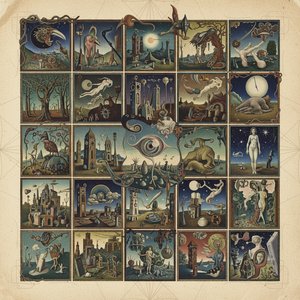
Mixed Media.

§ 1Catalogue data


Ten utwór podlega ochronie prawem autorskim
Dzieło sztuki prezentowane na tej stronie podlega ochronie prawem autorskim, co oznacza, że nie mamy prawa do tworzenia ani sprzedaży jego identycznej reprodukcji. Ochrona ta jest egzekwowana na mocy umów międzynarodowych, takich jak Konwencja berneńska oraz przez przepisy prawa krajowego, w tym te określone w Prawo autorskie USA – Tytuł 17.
Jako pełną szacunku i legalną alternatywę oferujemy personalizowane, malowane ręcznie dzieła sztuki inspirowane oryginałem. Nasi wykwalifikowani i profesjonalni artyści starannie analizują styl, nastrój oraz artystyczną esencję pierwowzoru, aby stworzyć nowe, unikalne dzieło, które przywołuje te same emocje – pozostając jednocześnie w pełni oryginalną kreacją.
Metoda ta jest w pełni zgodna z przepisami prawa autorskiego, ponieważ nie polega na kopiowaniu ani powielaniu chronionego dzieła. Stanowi ona kreatywną reinterpretację – nowy obraz, który czerpie inspirację z oryginału, ale nie jest z nim tożsamy.
 Dowiedz się więcej
§ 2Abstract
Opis obiektu
Explore Max Ernst’s surreal landscape painting featuring bizarre rock formations and a solitary figure—a captivating glimpse into Dada and Surrealist art. Bring this iconic masterpiece home with AllPaintingsStore.com's exquisite reproductions.
Biografia artysty
Max Ernst (1891-1976) – niemiecki malarz surrealisty i dadaista. Znany z technik frottage, kolaży i symbolicznych obrazów ptaków oraz krajobrazów. Jego twórczość wywarła ogromny wpływ na sztukę XX wieku.
§ 3Commentary
A Journey Through the Surreal Landscape
In the enigmatic realm of Max Ernst’s Untitled (3016), the boundaries between reality and dream dissolve into a breathtaking geological tableau. This painting presents a desolate yet captivating landscape dominated by towering rocks, rendered with an unsettling precision that commands the viewer's attention. At first glance, one is struck by the sheer scale of these stone monoliths, which rise from the earth like ancient, silent sentinels. Amidst this stony expanse, a solitary figure is positioned thoughtfully, providing a vital human element to an otherwise otherworldly scene. This presence invites us to step into the frame, acting as our surrogate as we contemplate the strange, textured formations that define this alien terrain.
The technique employed by Ernst is a masterclass in the Surrealist tradition, blending organic forms with geometric complexities to create an unsettling harmony. Utilizing a mixed media approach—likely weaving oil paint with delicate collage elements—the artist achieves a profound textural richness. Every crevice of the rock faces and every shadow within the landscape feels tactile, as if one could reach out and touch the cold, weathered surface of the stone. This skillful manipulation of medium allows Ernst to defy conventional representation, pulling the viewer away from the familiar and into a realm where logic yields to the boundless power of the imagination.
Historical Echoes and Symbolic Depths
To understand the profound weight of this work, one must look back to the interwar period, specifically the years between 1925 and 1930. Created during Ernst’s formative era within the Dada and Surrealist movements, Untitled (3016) reflects the deep-seated anxieties of a world recovering from global conflict. The rejection of rationality and bourgeois values that fueled the Dada movement is palpable here; Ernst uses the canvas to explore subconscious impulses and psychological depths. The painting serves as a window into the artist's fascination with mythology and the primal forces that shape our existence, mirroring the era's broader philosophical shifts toward psychoanalysis and the exploration of the hidden self.
Symbolically, the landscape is heavy with meaning. The rocks themselves serve as potent emblems of permanence, solidity, and the inexorable march of geological time. Their bizarre, almost impossible formations evoke imagery from ancient folklore, suggesting a world shaped by forgotten myths. In contrast, the solitary figure embodies the human condition—a state of perpetual observation and quiet contemplation amidst the vast, indifferent mysteries of the universe. For collectors and interior designers, this piece offers more than mere decoration; it provides a profound focal point for introspection, making it an ideal addition to spaces designed for thought, creativity, and quiet wonder.
An Atmosphere of Wonder and Unease
The emotional impact of Untitled (3016) is a complex tapestry of unease and awe. Ernst utilizes a muted palette, primarily composed of earthy browns and somber greys, to cultivate an atmosphere of bleakness and stillness. Yet, it is precisely this lack of vibrant color that allows the striking, strange shapes of the rock formations to command such intense curiosity. The painting does not offer easy answers; instead, it fosters a sense of mystery that lingers long after one has turned away from the canvas.
For those seeking to elevate their art collection with a high-quality reproduction, this work offers an unparalleled opportunity to bring a piece of art history into the modern home. Whether placed in a minimalist gallery setting or a richly textured study, the painting’s ability to stimulate conversation and provoke deep thought makes it a timeless investment. It is a masterpiece that transcends visual depiction, inviting every viewer into a realm where the impossible becomes visible.
Pytania i odpowiedzi
W jaki sposób kolory dzieła „untitled (3016)” – Max Ernst korespondują z jego ładunkiem emocjonalnym?
„untitled (3016)” – Max Ernst łączy w sobie Neutrals paletę barw z Mysterious tonem.
Czy mogę obejrzeć "untitled (3016)" w formie pełnoekranowej prezentacji slajdów?
Dzieło „untitled (3016)” – Max Ernst można obejrzeć w formie pokazu slajdów na stronie Prezentacja slajdów danego dzieła.
Z której epoki pochodzi "untitled (3016)"?
"untitled (3016)" pochodzi z epoki Modern.



 Przełącz na wydania drukowane


 W przypadku dzieł sztuki lub reprodukcji, których którykolwiek z boków przekracza 105 cm (około 41 cali), rama zostanie wysłana w formie zestawu do samodzielnego montażu. Metoda ta zapewnia bezpieczną dostawę i zapobiega uszkodzeniom podczas transportu.