A Life Immersed in Light: The World of Max Liebermann
Max Liebermann, a name synonymous with the vibrant and nuanced development of Impressionism in Germany, was born on July 20, 1847, in Berlin. His early life, steeped in the comforts of a prosperous Jewish family – his father a successful textile manufacturer – seemed destined for a path far removed from the artistic realm. However, a deliberate shift towards intellectual pursuits at the University of Berlin, followed by studies in Weimar, Paris, and the Netherlands, ignited a passion that would forever transform his life and legacy. Liebermann’s journey wasn't simply about acquiring technical skills; it was a profound engagement with the world around him, a desire to capture not just what he saw, but the very essence of experience itself. This inherent sensitivity to light, color, and atmosphere became the hallmark of his distinctive style – an Impressionism uniquely German in its sensibility.
Embracing Impressionism: A Dialogue with Paris
Liebermann’s artistic evolution was inextricably linked to his exposure to the revolutionary currents sweeping through France. The boldness of Édouard Manet, his rejection of rigid academic conventions, and his focus on depicting contemporary life resonated deeply within Liebermann's soul. He wasn’t merely a passive observer; he actively engaged with these new ideas, adapting them to his own artistic vision. While he admired the Parisian Impressionists – Monet, Renoir, Degas – he didn’t simply replicate their techniques. Instead, he infused his work with a distinctly German perspective, characterized by a brighter palette, looser brushstrokes, and a focus on scenes of bourgeois leisure and the tranquil beauty of his beloved garden near Lake Wannsee. This garden, a sanctuary from the turbulent world outside, became a recurring motif, a space where light danced upon foliage, and the simple pleasures of summer were immortalized on canvas. Liebermann’s early paintings often depicted scenes of everyday life – working-class laborers, bustling marketplaces, and intimate domestic moments – rendered with an honesty and respect that challenged the prevailing romanticized aesthetic of the time. These weren't intended as social commentaries, but rather as genuine portrayals of human existence, imbued with dignity and a profound appreciation for the beauty of ordinary life.
The Berlin Secession: A Catalyst for Change
Recognizing the stifling constraints imposed by the traditional art establishment in Germany – particularly the rigid control exerted by the Prussian Academy of Arts – Liebermann became a pivotal figure in the formation of the Berlin Secession in 1898. This avant-garde movement, alongside artists like Kirchner and Nolde, represented a radical departure from established norms, providing a platform for artistic innovation and independent expression. Liebermann’s leadership of the Secession for over a decade was instrumental in challenging conventional notions of art and paving the way for modern German art. The Secession wasn't merely a group of artists; it was a declaration – a bold assertion of artistic freedom and a commitment to exploring new possibilities beyond the confines of academic tradition. This spirit of rebellion extended far beyond the realm of painting, influencing other areas of culture and contributing to a broader shift in societal attitudes towards art and creativity.
A Master of Portraiture and Beyond
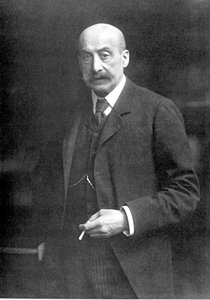
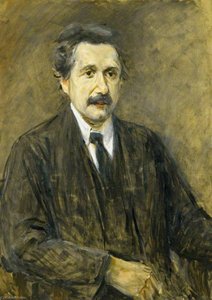
While his landscapes and scenes of everyday life are undoubtedly celebrated, Liebermann’s contribution to the art world extends significantly through his masterful portraiture. Over two hundred commissioned portraits attest to his skill and insight – works that capture not just likenesses, but the very essence of his subjects' personalities. Portraits of Albert Einstein, Paul von Hindenburg, and numerous other prominent figures demonstrate Liebermann’s ability to delve beneath the surface, revealing the inner lives of those he depicted through subtle gestures, expressions, and carefully observed details. Beyond portraiture, Liebermann also produced a significant body of prints, further showcasing his technical skill and artistic vision. His work spanned a wide range of subjects – from religious scenes to depictions of rural life – reflecting his diverse interests and evolving style.
Legacy and Historical Context
Max Liebermann’s legacy is complex and layered, inextricably intertwined with the tumultuous events of 20th-century Germany. Following the rise of Nazism, he bravely resigned from the Prussian Academy of Arts in 1933, a courageous act of defiance against a regime that increasingly threatened artistic freedom and Jewish identity. Despite facing persecution and discrimination, Liebermann continued to paint, finding solace and purpose in his art until his death on February 8, 1935, in Berlin. Tragically, his wife, Martha, took her own life in 1943 to avoid deportation, a heartbreaking testament to the horrors of the Holocaust. For many years after World War II, Liebermann’s work was somewhat overlooked, overshadowed by the darker chapters of German history. However, in recent decades, there has been a renewed appreciation for his contributions to German Impressionism and modern art – recognizing him not only as a brilliant painter but also as a courageous advocate for artistic expression and a symbol of resistance against tyranny. His paintings continue to captivate viewers with their luminous beauty, insightful observations, and enduring humanity.
Key Achievements & Lasting Influence
- “The Twelve-Year-Old Jesus in the Temple”: This early work sparked considerable debate due to its unconventional depiction of a Semitic-looking Jesus, challenging traditional religious iconography.
- Leadership of the Berlin Secession: His pivotal role in leading this avant-garde movement challenged artistic norms and paved the way for modern art in Germany.
- Presidency of the Prussian Academy of Arts: A significant recognition of his artistic merit, though ultimately compromised by the rise of Nazism.
- Masterful Portraiture: His ability to capture the essence of his subjects in over 200 commissioned portraits cemented his reputation as a leading portrait painter.
- Influence on German Impressionism: Liebermann successfully translated the principles of Impressionism into a uniquely German context, inspiring generations of artists.


 Rozwiń treść




 Przełącz na wydania drukowane


 W przypadku dzieł sztuki lub reprodukcji, których którykolwiek z boków przekracza 105 cm (około 41 cali), rama zostanie wysłana w formie zestawu do samodzielnego montażu. Metoda ta zapewnia bezpieczną dostawę i zapobiega uszkodzeniom podczas transportu.


