


 Podgląd w skali 1:1
 Wyślij jako kartkę
 Udostępnij
 Szczegóły dzieła
 Przewodnik

 Pobierz obraz
 Podobne obiekty
 RTG
RTG Pokaz slajdów
 Statystyki
Pulpit


 Rozwiń treść
Giclée / Wydruk artystyczny
Wydruki giclée lub płótna o jakości muzealnej, szybka realizacja i szeroki wybór opcji wykończenia. ( Zamów ręcznie malowaną reprodukcję Przejdź do wersji cyfrowej)




P118B zł10

P118H zł10

P118W zł10

P438Z zł10

P508JH zł12

P508YH zł12

P805H zł10

P805Z zł10

P919BZ zł10

P919G zł10

P919XJ zł10

P959ZH zł10

P968JZ zł12

W106C zł8

W218G zł10

W218JH zł8

W218Y zł10

W307PJ zł10

W316G zł10

W316PJ zł8

W316Y zł10

W398PJ zł8

W4111J zł10

W500HY zł15

W500JH zł15

W692G zł12

W849H zł8

W940BG zł15

W953PJ zł8




Wybierz spośród naszych standardowych rozmiarów, które zachowują oryginalne proporcje dzieła sztuki.

Wpisz wymaganą szerokość i wysokość, aby dopasować grafikę do ramy lub ściany. Wydruk można jedynie przyciąć, nigdy nie powiększając go poza oryginalny obraz, dlatego format o innych proporcjach spowoduje utratę części kompozycji. Przed rozpoczęciem druku prześlemy Ci cyfrowy podgląd do zatwierdzenia. Obraz wyświetlany na tej stronie nie pokazuje rzeczywistego przycięcia — jedynie podgląd oddaje ten efekt.
Dostawa na cały świat () w ciągu 2 tygodni zamiast standardowych 4/5 tygodni. (28 Październik)

Bezpłatna ekspresowa wysyłka na cały świat

Wysokiej jakości płótno lniane

Pełne ubezpieczenie przesyłki

Gwarancja zwrotu należności celnych i podatków importowych

Gwarancja wiernego odwzorowania kolorów

100-dniowa polityka zwrotów (tylko w przypadku wad)

Gwarancja 100% zwrotu pieniędzy

Zniżka przy zakupie wielu sztuk
 Opcja ze szkłem jest dostępna wyłącznie w rozmiarach poniżej 110 cm

Pulpit
Giclée / Wydruk artystyczny
Wymiary reprodukcji
-


Cena całkowita
zł 246
Podobne dzieła


Biografia artysty
A Master of Baroque Flourish: The Life and Art of Michiel van der Voort
Michiel van der Voort the Elder, born in Antwerp in 1667 and passing away in the same city in 1737, stands as a pivotal figure in the transition from High Baroque to the more refined sensibilities of the Rococo period. Though perhaps not a household name like Rubens or Van Dyck, his influence on Flemish sculpture—particularly in ecclesiastical art—was profound. Nicknamed “Welgemaeckt” (Well-Made), van der Voort earned this moniker through the exceptional quality and intricate detail of his work, which graced many of Flanders’ most important churches. His life unfolded during a period of relative stability following the tumultuous religious wars that had plagued the region, allowing for a flourishing of artistic patronage and expression. He wasn't merely a sculptor; he was a storyteller in stone, capable of imbuing his creations with both dramatic power and subtle emotional nuance.Early Training and Artistic Foundations
Van der Voort’s early life remains somewhat shrouded in mystery, but it is known that he received rigorous training within the Antwerp guild system. The artistic climate of Antwerp at this time was steeped in the legacy of masters like François Duquesnoy, whose dynamic compositions and anatomical precision undoubtedly shaped van der Voort's developing style. The influence of Peter Paul Rubens also looms large; while van der Voort worked primarily in sculpture, the Baroque master’s emphasis on movement, theatricality, and emotional intensity is clearly discernible in his work. He was a keen observer of the human form, striving for realism but always tempered by an inherent sense of grace and elegance. His early works demonstrate a mastery of technical skill—the ability to render textures, drapery, and anatomical detail with remarkable accuracy—but also hint at a burgeoning artistic personality eager to move beyond mere imitation.The Pulpits: A Defining Achievement
Van der Voort’s most celebrated achievements are undoubtedly his pulpits. These were not simply platforms for delivering sermons; they were elaborate architectural and sculptural ensembles designed to inspire awe and reverence. The pulpit he created in 1723 stands as a testament to his genius—a Gothic cathedral rendered in wood, teeming with intricate carvings of biblical scenes, allegorical figures, and symbolic motifs. The sheer complexity of these structures is astonishing, requiring not only exceptional sculpting skills but also a deep understanding of architectural principles and theological iconography. He didn't just carve the wood; he breathed life into it, creating dynamic compositions that drew the eye upwards towards the heavens. The pulpit’s design reflects a blend of late Baroque exuberance and a growing appreciation for Classical forms—a hallmark of van der Voort’s evolving style. These pulpits became focal points within their respective churches, transforming the act of worship into a more immersive and emotionally engaging experience.Beyond the Pulpit: Busts and Secular Works
While best known for his ecclesiastical commissions, van der Voort also produced a significant body of secular sculpture, including busts and allegorical figures. His bust of Jacobus Franciscus van Caverson, for example, showcases his ability to capture not only the physical likeness of his subject but also their inner character. These portraits are characterized by a remarkable degree of realism—the subtle nuances of expression, the texture of skin and hair, the weight of the gaze—but they also possess a certain idealized quality that elevates them beyond mere representation. He explored mythological and allegorical subjects as well, demonstrating his versatility and intellectual curiosity. These works reveal a sculptor deeply engaged with the artistic currents of his time, capable of adapting his style to suit a variety of themes and purposes.Legacy and Historical Significance
Michiel van der Voort’s influence extended far beyond his own lifetime. He trained numerous sculptors who carried on his legacy, disseminating his techniques and aesthetic principles throughout Flanders and beyond. His work represents a crucial link between the High Baroque exuberance of the 17th century and the more refined sensibilities of the Rococo period.- He bridged the gap between dramatic intensity and Classical elegance.
- His pulpits transformed church interiors into immersive spaces for worship.
- His busts showcase a remarkable ability to capture both physical likeness and inner character.

Michiel Van Der Voort
1667 - 1737 , Belgium
Krótka nota
- Full Name: Michiel van der Voort
- Nationality: Belgian
- Date Of Birth: 1667
- Date Of Death: 1737
- Place Of Birth: Antwerp, Belgium
- Notable Artworks: ['Pulpit Design']
- Artistic Movement Or Style: Baroque Sculpture
- Artists Who Influenced This Artist: ['Jacobus Franciscus']
Powiązane artykuły

Teatralność i triumf: Dramat baroku w malarstwie i rzeźbie – od kontrreformacji do ekspresji emocji
Odkryj dramat i przepych sztuki baroku! Analiza malarstwa i rzeźby, wpływ kontrreformacji, kluczowi artyści oraz filozofia vanitas. Ekspercka wiedza dla miłośników historii sztuki.

10 Legendarnych Brązów Rzeźbiarskich, Które Zmieniły Sztukę | AllPaintingsStore
Odkryj 10 legendarnych rzeźb brązowych od Rodina, Degasa i innych mistrzów! Poznaj historię powstania arcydzieł sztuki i inspiruj się do dekoracji wnętrz. Reprodukcje najwyższej jakości na AllPaintingsStore.com – zobacz kolekcję!

Trwałe Formy: Ewolucja Technik i Tematów w Rzeźbie Przez Wieki – Od Antyku do Renesansu
Poznaj fascynującą historię rzeźby od antyku do renesansu! Odkryj techniki, wybitnych artystów i wpływ na współczesną sztukę. Ekspercka analiza dla kolekcjonerów i miłośników.

Dramatyczny Rozkwit Baroku: Dziedzictwo Sztuki Kontrreformacji i Mistrzowie Chiaroscuro
Odkryj dramatyczny świat baroku! Poznaj historię sztuki kontrreformacji, mistrzów chiaroscuro i weneckich arcydzieł. Reprodukcje najwyższej jakości na AllPaintingsStore.com.
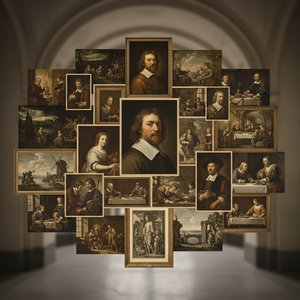
Rembrandt van Rijn: 25 Najwybitniejszych Dzieł Sztuki – Reprodukcje i Inspiracje do Wnętrz
Poznaj 25 arcydzieł Rembrandta van Rijn! Odkryj fascynujące historie, techniki i wpływ holenderskiego mistrza baroku na świat sztuki. Reprodukcje obrazów najwyższej jakości – inspiracje do wnętrz na AllPaintingsStore.com

