


 Zobacz w skali 1:1
 Wyślij
 Udostępnij
 Szczegóły
 Przewodnik

 Pobierz plik obrazu
 Podobne obiekty
 RTG
RTG Pokaz slajdów
 Statystyki
Landscape with Polyphemus


 Czytaj więcej
Giclée / Wydruk artystyczny
Wydruki giclée lub płótna o jakości muzealnej, szybka realizacja i szeroki wybór opcji wykończenia. ( Kup ręcznie malowany obraz Przełącz na wersję cyfrową)




P118B zł10

P118H zł10

P118W zł10

P438Z zł10

P508JH zł12

P508YH zł12

P805H zł10

P805Z zł10

P919BZ zł10

P919G zł10

P919XJ zł10

P959ZH zł10

P968JZ zł12

W106C zł8

W218G zł10

W218JH zł8

W218Y zł10

W307PJ zł10

W316G zł10

W316PJ zł8

W316Y zł10

W398PJ zł8

W4111J zł10

W500HY zł15

W500JH zł15

W692G zł12

W849H zł8

W940BG zł15

W953PJ zł8




Wybierz spośród naszych standardowych rozmiarów, które zachowują oryginalne proporcje dzieła sztuki.

Wpisz wymaganą szerokość i wysokość, aby dopasować grafikę do ramy lub ściany. Wydruk można jedynie przyciąć, nigdy nie powiększając go poza oryginalny obraz, dlatego format o innym proporcji spowoduje utratę części kompozycji. Przed rozpoczęciem druku prześlemy Ci cyfrowy podgląd do zatwierdzenia. Obraz wyświetlany na tej stronie nie pokazuje rzeczywistego przycięcia — jedynie podgląd oddaje ten efekt.
Dostawa na cały świat () w ciągu 2 tygodni zamiast standardowych 4/5 tygodni. (24 Październik)

Bezpłatna ekspresowa wysyłka na cały świat

Wysokiej jakości płótno lniane

Pełne ubezpieczenie transportowe

Gwarancja zwrotu należności celnych i podatków importowych

Gwarancja idealnego odwzorowania barw

100-dniowy okres na zwrot dzieła w przypadku wykrycia wad produkcyjnych

Gwarancja 100% zwrotu pieniędzy

Oferta przy zakupie wielu sztuk
 Opcja ze szkłem jest dostępna wyłącznie w rozmiarach poniżej 110 cm

Landscape with Polyphemus
Giclée / Wydruk artystyczny
Rozmiar reprodukcji
-


Suma do zapłaty
zł 245
A Vision of Antiquity Transformed
In the quiet majesty of Nicolas Poussin’s Landscape with Polyphemus, the viewer is invited into a world where the boundaries between myth and reality dissolve into a luminous, atmospheric haze. The canvas presents an arresting stillness, a landscape bathed in an ethereal light that seems to emanic from within the mountains themselves. Towering peaks and rugged rock formations dominate the vista, yet this primordial strength is softened by the delicate presence of trees and the gentle movement of figures nestled among the slopes. It is a scene that captures the quintessential spirit of Poussin’s oeuvre—a masterful synthesis of classical ideals and a subtle, breathing Baroque dynamism that feels both eternal and momentary.
The composition breathes with a profound sense of harmony, where human activity and the wildness of nature exist in a delicate, choreographed balance. In the foreground, a group of figures occupies the rocky terrain; some stand in quiet contemplation while others rest, their postures echoing the sculptural grace Poussin admired in the ruins of Rome. The presence of horses, cows, and even a solitary bird in flight adds layers of life to the scene, transforming a static landscape into a living tableau. For the discerning collector or interior designer, this painting offers more than mere decoration; it provides a window into a structured, intellectual beauty that anchors a room with its serene and commanding presence.
The Mastery of Light and Form
Poussin’s technical prowess is on full display through his meticulous approach to sfumato, the subtle blending of colors that creates an illusion of infinite depth. Eschewing the flamboyant, aggressive brushstrokes of many of his contemporaries, Poussin opted for a disciplined layering of paint. This technique allows him to capture the precise essence of twilight, where outlines blur and contours soften, lending the landscape a dreamlike, atmospheric quality. His work is deeply informed by his study of Italian Mannerism and the sculptural forms of antiquity, resulting in figures that possess a weight and dignity reminiscent of classical marble.
Every element of the painting, from the textured bark of the trees to the distant, hazy mountains, is rendered with an unwavering devotion to detail. This precision does not sacrifice the emotional impact of the work; rather, it enhances the sense of a world governed by order and logic. The interplay of light and shadow creates a rhythmic movement across the canvas, guiding the eye through the rugged terrain and inviting the viewer to linger on the subtle transitions of color that define the shifting light of the afternoon.
Echoes of Myth and Intellectual Depth
To gaze upon Landscape with Polyphemus is to engage with the profound intellectual currents of the mid-17th century. Painted during a period of intense artistic innovation in France, the work draws heavily from the epic narratives of Homer’s Odyssey and Virgil’s Aeneid. The figure of Polyphemus—the formidable Cyclops—serves as a powerful symbol of primal, unbridled force. Yet, within Poussin's composition, this raw power is juxtaposed against the refined intellect and restraint of the human figures, reflecting the artist's conviction that art should elevate the soul through the contemplation of classical virtue.
This layering of mythological symbolism provides a rich subtext for those who appreciate art with narrative depth. The painting is not merely a depiction of nature, but a philosophical meditation on the relationship between the wildness of the natural world and the structured civilization of man. For anyone seeking to adorn a space with a piece that inspires thought and evokes a sense of historical grandeur, this reproduction of Poussin’s masterpiece offers an unparalleled opportunity to possess a fragment of the classical dream.
Pytania i odpowiedzi
Jaki dominujący odcień przenika „Landscape with Polyphemus” autorstwa Nikola Poussin?
Przez „Landscape with Polyphemus” autorstwa Nikola Poussin przewija się Amber to Saffron odcień.
Jakie miejsce w historii sztuki zajmuje "Landscape with Polyphemus"?
Klasyfikacja historii sztuki dla dzieła „Landscape with Polyphemus” autorstwa Nikola Poussin to Baroque Painting, z okresu Early Modern.
Jak mogę odkryć dzieła zbliżone do „Landscape with Polyphemus” autorstwa Nikola Poussin?
Dzieła podobne do „Landscape with Polyphemus” znajdują się na stronie Podobne dzieła danego dzieła.
Podobne dzieła


Biografia artysty
Nicolas Poussin - A Life Steeped in Classical Reverie
Nicolas Poussin, a name synonymous with the grandeur of French Baroque painting, was nonetheless a soul deeply rooted in Italian soil for much of his artistic life. Born in Les Andelys, Normandy, in June 1594, his early years remain somewhat veiled in mystery, yet they undoubtedly laid the foundation for a career that would become pivotal in shaping the classical tradition within French art. Though he briefly studied in Paris during the early 1610s, absorbing influences from lesser-known artists of the time—primarily Jean Baptiste Oudry and Nicolas Tourigny—it was his journey to Rome in 1624 that truly ignited his artistic destiny. This wasn’t merely a geographical relocation; it was an immersion into the heart of antiquity, a pilgrimage to the very source of inspiration that would define his aesthetic vision. Poussin's initial forays into painting were marked by a sensuous quality reminiscent of Venetian masters like Titian—particularly in his early landscapes—yet even in these works, a nascent sense of order and intellectual rigor began to emerge—a foreshadowing of the style he would so masterfully refine. He experimented with color palettes inspired by Venetian painters, capturing atmospheric effects with remarkable subtlety.The Roman Years: Forging a Classical Ideal
Rome proved to be more than just a studio for Poussin; it became his intellectual crucible. He found himself amidst a vibrant circle of scholars, archaeologists, and fellow artists, notably Cassiano dal Pozzo, whose profound understanding of classical antiquity profoundly influenced the artist’s approach. Dal Pozzo's dedication to meticulously documenting ancient remains instilled in Poussin a deep respect for historical accuracy and a desire to imbue his paintings with a sense of timelessness. This period saw Poussin move away from the flamboyant exuberance of some of his contemporaries, instead embracing a style characterized by clarity, balance, and a deliberate emphasis on linear composition. He meticulously studied Raphael’s works—particularly *The School of Athens*—absorbing their harmonious arrangements and graceful forms, while simultaneously drawing inspiration from ancient sculptures and literary sources like Ovid's *Metamorphoses*. His paintings began to populate with figures drawn from classical history and mythology, rendered not as mere decorative elements but as embodiments of moral virtues and philosophical ideals. He sought to emulate Raphael’s masterful use of perspective and idealized forms, striving for a visual elegance that transcended the conventions of his time.Influences and Artistic Development
Poussin's artistic development was shaped by several key influences. Initially drawn to Venetian painting—particularly Titian’s luminous color palettes—he quickly recognized the superiority of Raphael’s classical style as a model for achieving artistic excellence. He absorbed the principles of linear perspective, mastering techniques that allowed him to create illusionistic depth and convey a sense of grandeur. Furthermore, his engagement with humanist scholarship fostered an appreciation for moral philosophy and informed his thematic choices. The rediscovery of classical sculpture—particularly Michelangelo’s Pietà—provided him with visual references that would resonate throughout his oeuvre. He diligently studied the works of Agrippa Vespasiani and Andrea Palladio, incorporating architectural elements into his landscapes to heighten their sense of scale and harmony.Major Achievements: Mythological Narratives and Landscape Visions
Poussin’s artistic output was remarkably diverse, yet consistently united by his commitment to these core principles. He achieved international renown for his monumental mythological paintings—particularly *Et in Arcadia ego*, which became a symbol of humanist contemplation on mortality and the enduring power of memory. This masterpiece exemplifies his mastery of classical composition and his ability to convey profound philosophical ideas through visual imagery. Beyond mythology, he produced stunning landscapes that captured the beauty and sublimity of nature with unparalleled sensitivity. His series depicting the Seasons—a testament to his artistic virtuosity—demonstrated his command of color and light, creating vistas that evoked a sense of serenity and timelessness. He skillfully blended realism with idealized forms, elevating landscape painting to new heights of aesthetic achievement.A Lasting Legacy: Shaping French Art
Despite spending the majority of his career abroad—primarily in Rome—Poussin’s influence on French art was immense. He briefly returned to Paris in 1640 at the behest of Cardinal Richelieu, appointed as First Painter to the King—a position he held until his death in 1665—but found himself stifled by the demands and intrigues of court life. He soon returned to Rome, where he continued to paint until his final days, refining his style and exploring new artistic horizons. His dedication to classical principles helped establish a standard for artistic training and practice within France, influencing generations of artists who followed. Artists like Jacques-Louis David and Paul Cézanne openly acknowledged their debt to Poussin’s rigorous approach and intellectual depth—a testament to an artist who sought not simply to depict the world but to elevate it through the lens of reason and beauty. He became a cornerstone of French Classicism, securing his place as one of the most celebrated painters of his era.- Notable Works: *The Death of Germanicus*, *The Seven Sacraments Series*, *A Roman Road*, *Orion Blinded Searching for the Sun*, *The Seasons*.
- Key Characteristics: Classical Composition, Linearity, Historical and Mythological Themes, Serene Landscapes.
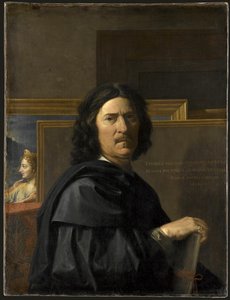
Nikola Poussin
1594 - 1665 , Francja
Najważniejsze informacje
- Artistic Movement Or Style: Barok Klasyczny
- Artists Or Movements Influenced By This Artist:
- Jacques-Louis David
- Paul Cézanne
- Artists Who Influenced This Artist:
- Raphael
- Titian
- Date Of Birth: 1594
- Date Of Death: 1665
- Full Name: Nicolas Poussin
- Nationality: Francuzi
- Notable Artworks:
- Święcenia
- Wenus prezentująca uzbrojenie dla Eneusza
- Zimowa Rozkosz
- Place Of Birth: Les Andelys, Francja
Zobacz także powiązane artykuły

Baroque Classicism: A Professional Guide to Integrating Timeless Grandeur into Luxury Hotel Interiors
Elevate luxury hospitality with Baroque Classicism. Our guide for hotel designers explores integrating grand, classical oil reproductions into professional interiors. Discover efficient bulk procurement, custom sizing, and large-format murals to create timeless, high-impact spaces.


