


 Zobacz w skali 1:1
 Wyślij
 Udostępnij
 Szczegóły
 Przewodnik

 Pobierz plik obrazu
 Podobne obiekty
 RTG
RTG Pokaz slajdów
 Statystyki
Bird
 Japanese Traditional
 701
701 18.0cm x 26.0cm
 Czytaj więcej
Ręcznie malowana reprodukcja olejowa
Ręcznie malowany obraz olejny na płótnie, wykonany na zamówienie przez naszych artystów w wybranym przez Ciebie wymiarze i oprawie. ( Przełącz na wersję drukowaną Przełącz na wersję cyfrową)




































Wybierz spośród naszych standardowych rozmiarów, które zachowują oryginalne proporcje dzieła sztuki.

Wpisz wymaganą szerokość i wysokość, aby obraz pasował do Twojej ramy lub ściany. Ponieważ jest to dzieło malowane ręcznie, w przypadku rozmiaru o innym proporcji artysta może domalować nieco więcej wokół obrazu lub przyciąć fragmenty — wybór należy do Ciebie. Przed rozpoczęciem pracy prześlemy Ci cyfrową wizualizację do zatwierdzenia. Obraz widoczny na tej stronie nie przedstawia rzeczywistego efektu — jedynie wizualizacja oddaje realny rezultat.
Po złożeniu zamówienia zespół AllPaintingsStore.com skontaktuje się z klientem drogą mailową w celu uzyskania instrukcji i prześle wizualizację projektu
Dostawa na całym świecie () w ciągu 3–4 tygodni zamiast standardowych 5 tygodni. (25 Październik). Bez kompromisów w kwestii jakości.

Bezpłatna ekspresowa wysyłka na cały świat

Wysokiej jakości płótno lniane

Pełne ubezpieczenie transportowe

Gwarancja zwrotu należności celnych i podatków importowych

Gwarancja idealnego odwzorowania barw

100-dniowy okres na zwrot dzieła w przypadku wykrycia wad produkcyjnych

Gwarancja 100% zwrotu pieniędzy

Oferta przy zakupie wielu sztuk
 Opcja ze szkłem jest dostępna wyłącznie w rozmiarach poniżej 110 cm

Bird
Technika wykonania
Rozmiar reprodukcji
-


Suma do zapłaty
zł 990
Podobne dzieła


Biografia artysty
A Life Woven in Lacquer and Verse: The World of Ogawa Haritsu
Ogawa Haritsu, also known as Ritsuō, was a figure who embodied the multifaceted spirit of Edo-period Japan. Born in 1663 in what is now Tokyo, his life unfolded during a time of relative peace and flourishing arts under the Tokugawa shogunate. While biographical details remain somewhat elusive—a common trait for artists of this era whose fame rested more on their creations than documented personal histories—Haritsu’s legacy speaks volumes through the exquisite works he left behind. He wasn't merely an artist; he was a polymath, equally adept with brush and ink as he was with lacquer and ceramic, a testament to the breadth of artistic training available to those within the samurai class.
The Versatile Hand: Painting, Poetry, and Lacquer Mastery
Haritsu’s talent wasn't confined to a single medium. He excelled in painting, particularly in the sumi-e style—the art of ink wash painting that emphasizes simplicity, spontaneity, and capturing the essence of nature. His poetry, though less widely known today than his visual works, reveals a sensitivity and depth of observation that clearly informed his artistic vision. However, it is for his lacquerware that Haritsu achieved lasting renown. He didn’t simply apply lacquer; he transformed it into breathtaking objects of art. His pieces often incorporated ceramic elements, showcasing an innovative approach to materials and techniques. This fusion wasn't merely decorative; it represented a deliberate exploration of texture, form, and the interplay between different artistic disciplines.
Blending Tradition with Innovation
The Edo period saw a continuation of established Japanese aesthetic principles—a reverence for nature, asymmetry, and subtle beauty. Haritsu deeply understood these traditions, but he wasn’t content to simply replicate them. He infused his work with a spirit of innovation, experimenting with new forms, techniques, and combinations of materials. His lacquerware, in particular, stands out for its intricate designs and the masterful use of maki-e (gold dust sprinkling) and other elaborate decorative methods. He moved beyond purely functional objects, creating pieces that were intended as works of art in their own right—a reflection of the growing appreciation for artistic expression during his lifetime.
A Lasting Legacy: Haritsu’s Influence on Japanese Art
Haritsu's contributions to Japanese art extended beyond the beauty of individual objects. He helped elevate lacquerware from a craft to a high art form, influencing generations of artists who followed in his footsteps. His blending of different artistic disciplines—painting, poetry, and industrial arts—demonstrated a holistic approach to creativity that resonated with many contemporaries and continues to inspire today. While he didn’t found a formal school or establish a large workshop, the impact of his style can be seen in the works of other Edo-period artists who embraced similar principles of innovation and craftsmanship.
Rediscovering Haritsu: A Modern Appreciation
Though celebrated during his lifetime, Haritsu's work experienced periods of relative obscurity after his death in 1747. In recent decades, however, there has been a renewed appreciation for his artistry. Museums and collectors alike have recognized the significance of his contributions to Japanese art, leading to increased scholarship and exhibitions dedicated to his life and works. His pieces offer a glimpse into the refined aesthetic sensibilities of Edo-period Japan—a world where beauty was found in simplicity, craftsmanship was valued above all else, and artists like Ogawa Haritsu dared to push the boundaries of tradition while remaining deeply rooted in its essence.

Ogawa Haritsu (Ritsuō)
1663 - 1747 , Japan
Najważniejsze informacje
- Full Name: Ogawa Haritsu (Ritsuō)
- Nationality: Japanese
- Date Of Birth: 1663
- Date Of Death: 1747
- Place Of Birth: Tokyo, Japan
- Notable Artworks: ['Bird']
- Artistic Movement Or Style: Edo Period Art
Zobacz także powiązane artykuły

10 Legendarnych Akwareli, Które Zmieniły Sztukę. Inspiracje do Dekoracji Domu.
Odkryj 10 legendarnych akwareli Turner'a, Monet'a i innych mistrzów! Poznaj historie, techniki i inspiracje tych ponadczasowych dzieł. Reprodukcje obrazów najwyższej jakości na AllPaintingsStore.com – idealne do dekoracji wnętrz.

Efemeryczne Wizje: Historia i Współczesna Praktyka Malarstwa Akwarelowego
Poznaj historię i techniki malarstwa akwarelowego! Odkryj inspiracje mistrzów, współczesne trendy oraz praktyczne porady dotyczące materiałów. Rozwiń swoją pasję z naszym przewodnikiem.

Ephemeral Visions: Exploring the Artistic Legacy & Nuances of Watercolor Painting
Explore the captivating world of watercolor painting! Discover its rich history, essential techniques, influential artists & collecting tips from art experts. A comprehensive guide for enthusiasts.

Efemeryczne Wizje: Historia i Emocjonalny Rezonans Malarstwa Akwarelowego
Odkryj fascynującą historię malarstwa akwarelowego! Poznaj techniki mistrzów, romantyczny nurt i współczesne trendy. Inspiracje do dekoracji wnętrz oraz możliwość personalizacji obrazów na AllPaintingsStore.com.
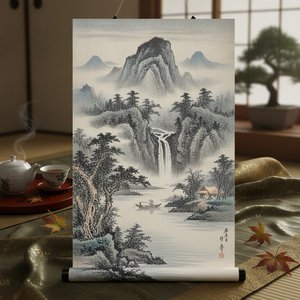
Serenity on Canvas: A Guide to the Timeless Beauty of Japanese Landscape Painting
Discover the serene beauty of Japanese landscape painting. From Hokusai's iconic woodblock prints to meditative sumi-e ink washes, explore a visual journey through the 'floating world' and learn how to bring this timeless Zen aesthetic into your modern home decor.

