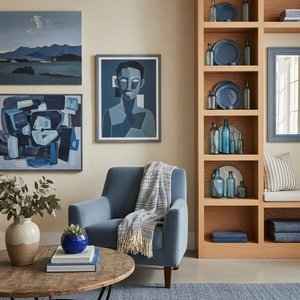
1902. Akryl na płótnie, 90.0 x 78.0 cm.

§ 1Dane katalogowe

- 90.0 x 78.0 cm


Ten utwór podlega ochronie prawem autorskim
Dzieło sztuki prezentowane na tej stronie podlega ochronie prawem autorskim, co oznacza, że nie mamy prawa do tworzenia ani sprzedaży jego identycznej reprodukcji. Ochrona ta jest egzekwowana na mocy umów międzynarodowych, takich jak Konwencja berneńska oraz przez przepisy prawa krajowego, w tym te określone w Prawo autorskie USA – Tytuł 17.
Jako pełną szacunku i legalną alternatywę oferujemy personalizowane, malowane ręcznie dzieła sztuki inspirowane oryginałem. Nasi wykwalifikowani i profesjonalni artyści starannie analizują styl, nastrój oraz artystyczną esencję pierwowzoru, aby stworzyć nowe, unikalne dzieło, które przywołuje te same emocje – pozostając jednocześnie w pełni oryginalną kreacją.
Metoda ta jest w pełni zgodna z przepisami prawa autorskiego, ponieważ nie polega na kopiowaniu ani powielaniu chronionego dzieła. Stanowi ona kreatywną reinterpretację – nowy obraz, który czerpie inspirację z oryginału, ale nie jest z nim tożsamy.
 Dowiedz się więcej
§ 2Abstrakcja
Opis obiektu
Delve into Pablo Picasso's Blue Period masterpiece! Explore ‘Man in blue,’ a poignant portrait reflecting social isolation and capturing the artist’s innovative Expressionist style. Discover high-quality reproductions at AllPaintingsStore.
Biografia artysty
Pablo Picasso (1881-1973) był rewolucyjnym hiszpańskim malarzem i rzeźbiarzem, współtwórcą kubizmu i mistrzem różnorodnych stylów. Znany z dzieł takich jak Guernica i Les Demoiselles d'Avignon, jego dziedzictwo wciąż inspiruje.
§ 3Komentarz
The Essence of Expressionism: Pablo Picasso’s Man in Blue
Pablo Picasso's Man in blue (c. 1902) stands as a cornerstone of Expressionist art—a poignant exploration of emotion and psychological depth rendered with remarkable simplicity. Created during Picasso’s formative Blue Period, this oil on canvas painting transcends mere representation, inviting viewers into a realm of introspection and conveying the profound impact of isolation and melancholy. Measuring 90 x 78 cm, it resides within the prestigious Von Der Heydt Museum in Wuppertal, Germany, safeguarding its legacy for generations to come.A Composition Steeped in Symbolism
At first glance, the painting presents a straightforward portrait: a solitary man seated before a wall adorned with a picture—a deliberate choice that underscores themes of contemplation and confinement. However, Picasso’s genius lies in his masterful manipulation of composition. The central figure dominates the canvas, positioned squarely at eye level, fostering an immediate connection between subject and observer. His gaze is direct, unwavering, embodying resilience amidst despair. Notice the careful placement of the chair—a symbol of stability against a backdrop of turbulent emotion—and the subtle interplay of light and shadow that sculpts the man’s form. The inclusion of two smaller figures flanking him adds layers of narrative complexity, hinting at relationships disrupted by circumstance.The Blue Period: A Reflection of Inner Turmoil
Picasso's Blue Period (1901-1904) emerged from a period of personal hardship—the loss of his mother and subsequent struggles with poverty and artistic recognition. This stylistic choice wasn’t arbitrary; Picasso deliberately employed monochromatic blues—ranging from indigo to Prussian blue—to express feelings of sorrow, disillusionment, and existential angst. The color palette itself communicates grief and vulnerability, mirroring the psychological state of the depicted man. Furthermore, Picasso's technique—characterized by loose brushstrokes and a flattened perspective—rejects academic conventions in favor of conveying raw emotion directly onto the canvas. This stylistic decision aligns perfectly with the Expressionist ethos of prioritizing subjective experience over objective observation.Influence and Legacy
Man in blue irrevocably altered the trajectory of modern art, establishing Picasso as a pioneer of Cubism alongside Georges Braque. Its impact extends far beyond its aesthetic qualities—it challenged artistic dogma and championed an honest portrayal of human emotion. Generations of artists have drawn inspiration from Picasso’s bold experimentation with color and form, cementing his place as one of history's most influential figures.Exploring Picasso’s Artistic Universe
For those seeking to delve deeper into Picasso’s oeuvre, Old blind man with boy and Paul Kelpe offer compelling insights into his artistic versatility—demonstrating his ability to capture both psychological nuance and visual dynamism. And don’t miss the captivating works of other artists like Von Der Heydt Museum—where you can admire Picasso’s masterpiece firsthand. Man in blue and Old blind man with boy are exceptional pieces that showcase Picasso’s artistic range. Additionally, the works of other artists like Paul Kelpe, known for his abstract paintings and constructions integrating found objects, can be found on AllPaintingsStore.com. AllPaintingsStore.com offers high-quality, handmade oil painting reproductions of these masterpieces, allowing art lovers to bring a piece of history into their homes.Pytania i odpowiedzi
Skąd pochodzą odwiedzający „Man in blue” – Pablo Picasso?
Statystyki dotyczące „Man in blue” – Pablo Picasso znajdują się na stronie Statystyki wyświetleń dzieła: obejmują one miesięczną liczbę odwiedzin danego dzieła, wizyty przy pracach artysty oraz podział ostatnich odwiedzających według krajów i języków.
Jakie emocje przekazuje „Man in blue” – Pablo Picasso?
Emocjonalny ton przypisany do „Man in blue” – Pablo Picasso to Melancholijny. Oddaje on emocje, jakie wyraża to dzieło.
Czy mogę użyć rozszerzonej rzeczywistości, aby zobaczyć „Man in blue” – Pablo Picasso w swoim pokoju?
Strona Podgląd w AR dzieła „Man in blue” – Pablo Picasso wykorzystuje rozszerzoną rzeczywistość, aby dzięki kompatybilnemu urządzeniu pokazać obraz w Twojej własnej przestrzeni.



 Przełącz na wydania drukowane


 W przypadku dzieł sztuki lub reprodukcji, których którykolwiek z boków przekracza 105 cm (około 41 cali), rama zostanie wysłana w formie zestawu do samodzielnego montażu. Metoda ta zapewnia bezpieczną dostawę i zapobiega uszkodzeniom podczas transportu.