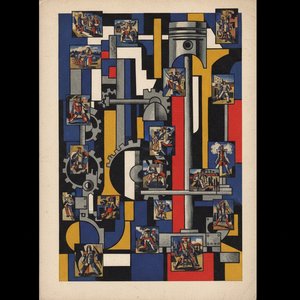
Oil.

§ 1Catalogue data


Ten utwór podlega ochronie prawem autorskim
Dzieło sztuki prezentowane na tej stronie podlega ochronie prawem autorskim, co oznacza, że nie mamy prawa do tworzenia ani sprzedaży jego identycznej reprodukcji. Ochrona ta jest egzekwowana na mocy umów międzynarodowych, takich jak Konwencja berneńska oraz przez przepisy prawa krajowego, w tym te określone w Prawo autorskie USA – Tytuł 17.
Jako pełną szacunku i legalną alternatywę oferujemy personalizowane, malowane ręcznie dzieła sztuki inspirowane oryginałem. Nasi wykwalifikowani i profesjonalni artyści starannie analizują styl, nastrój oraz artystyczną esencję pierwowzoru, aby stworzyć nowe, unikalne dzieło, które przywołuje te same emocje – pozostając jednocześnie w pełni oryginalną kreacją.
Metoda ta jest w pełni zgodna z przepisami prawa autorskiego, ponieważ nie polega na kopiowaniu ani powielaniu chronionego dzieła. Stanowi ona kreatywną reinterpretację – nowy obraz, który czerpie inspirację z oryginału, ale nie jest z nim tożsamy.
 Dowiedz się więcej
§ 2Abstract
Opis obiektu
Fragmented nude figures and vibrant Cubist planes define Pablo Picasso's Picnic, a surreal exploration of fertility and human anxiety that invites you to explore the profound depths of his mid-century mastery.
Biografia artysty
Pablo Picasso (1881-1973) był rewolucyjnym hiszpańskim malarzem i rzeźbiarzem, współtwórcą kubizmu i mistrzem różnorodnych stylów. Znany z dzieł takich jak Guernica i Les Demoiselles d'Avignon, jego dziedzictwo wciąż inspiruje.
§ 3Commentary
A Fragmented Vision: The Surrealist Depth of Picasso’s Picnic
Pablo Picasso’s Picnic, painted circa 1956, stands as a profound disruption of traditional representation, offering much more than a simple pastoral scene. It is a deliberate exploration of the anxieties inherent in the human experience, rendered through a lens that challenges the viewer to look beyond the surface. Within this composition, Picasso presents a group of nude women seated around a table laden with fruit—a motif that traditionally symbolizes fertility and abundance. However, beneath this veneer of plenty lies an unsettling psychological undertone. The painting does not merely depict a moment in time; it captures a fractured reality, where the boundaries between physical form and emotional state begin to blur.
The technique employed is a masterful application of Cubist principles, where Picasso fractures forms into geometric planes to present multiple perspectives simultaneously. By abandoning illusionistic realism in favor of intellectual abstraction, he forces an active engagement with the artwork’s visual language. The artist utilizes a bold and dynamic color palette, primarily featuring reds, yellows, and blues, to heighten the emotional impact and create a striking interplay between light and shadow. This method allows the viewer to experience the tension within the scene, as the vibrant hues clash with the more somber, distorted anatomy of the figures.
Symbolism and the Echoes of an Era
Beyond its striking visual presence, Picnic is deeply laden with symbolic significance. The fragmented bodies of the women serve as a mirror for psychological states, reflecting the fractured realities experienced during the post-World War II era. This period of history, characterized by pervasive uncertainty and disillusionment, finds its voice in Picasso’s distorted lines. The presence of a pregnant woman and a newborn infant adds a layer of complexity to the work, underscoring profound themes of motherhood, reproduction, and the daunting task of ensuring the continuation of life amidst global chaos.
The emotional impact of the piece is one of melancholy and deep contemplation. It invites those who encounter it—whether art enthusiasts, collectors, or designers seeking a centerpiece of intellectual depth—to confront uncomfortable truths about human existence while simultaneously appreciating the beauty of artistic innovation. For an interior space, a high-quality reproduction of this work offers more than mere decoration; it provides a focal point for conversation and a window into the transformative power of 20th-century modernism. The painting remains a testament to Picasso's ability to weave themes of vulnerability and strength into a single, unforgettable vision.
Pytania i odpowiedzi
Jakie umiejscowienie najlepiej pasuje do formatu dzieła „Picnic” – Pablo Picasso?
Format Landscape dzieła „Picnic” – Pablo Picasso jest rekomendowany do Living Room. Format oraz przestrzeń wspólnie pomagają w odpowiednim rozmieszczeniu reprodukcji.
W jaki sposób "Picnic" balansuje światło i cień?
Jasność dzieła „Picnic” – Pablo Picasso wynosi shadow, przy luminancji na poziomie Soft Shadow.
Czy dzieło „Picnic” – Pablo Picasso jest jasne czy ciemne?
Postrzegana jasność dzieła „Picnic” – Pablo Picasso wynosi shadow. Można ją dopasować do oświetlenia w docelowym pomieszczeniu.



 Przełącz na wydania drukowane


 W przypadku dzieł sztuki lub reprodukcji, których którykolwiek z boków przekracza 105 cm (około 41 cali), rama zostanie wysłana w formie zestawu do samodzielnego montażu. Metoda ta zapewnia bezpieczną dostawę i zapobiega uszkodzeniom podczas transportu.