

1906. Gwasz, 80.0 x 60.0 cm.

§ 1Catalogue data

- 80.0 x 60.0 cm


Ten utwór podlega ochronie prawem autorskim
Dzieło sztuki prezentowane na tej stronie podlega ochronie prawem autorskim, co oznacza, że nie mamy prawa do tworzenia ani sprzedaży jego identycznej reprodukcji. Ochrona ta jest egzekwowana na mocy umów międzynarodowych, takich jak Konwencja berneńska oraz przez przepisy prawa krajowego, w tym te określone w Prawo autorskie USA – Tytuł 17.
Jako pełną szacunku i legalną alternatywę oferujemy personalizowane, malowane ręcznie dzieła sztuki inspirowane oryginałem. Nasi wykwalifikowani i profesjonalni artyści starannie analizują styl, nastrój oraz artystyczną esencję pierwowzoru, aby stworzyć nowe, unikalne dzieło, które przywołuje te same emocje – pozostając jednocześnie w pełni oryginalną kreacją.
Metoda ta jest w pełni zgodna z przepisami prawa autorskiego, ponieważ nie polega na kopiowaniu ani powielaniu chronionego dzieła. Stanowi ona kreatywną reinterpretację – nowy obraz, który czerpie inspirację z oryginału, ale nie jest z nim tożsamy.
 Dowiedz się więcej
§ 2Abstract
Opis obiektu
Julio González (1876-1942) was a pioneering Spanish sculptor who revolutionized modern art by embracing iron as his primary medium. Known for Cubist-influenced works, expressive lines, and collaborations with Picasso, he's considered the 'father of i
Biografia artysty
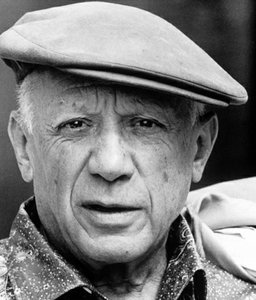
Pablo Picasso (1881-1973) był rewolucyjnym hiszpańskim malarzem i rzeźbiarzem, współtwórcą kubizmu i mistrzem różnorodnych stylów. Znany z dzieł takich jak Guernica i Les Demoiselles d'Avignon, jego dziedzictwo wciąż inspiruje.
§ 3Commentary
A Prelude to Revolution: The Intimacy of Picasso's Two Brothers
In the transformative landscape of 1906, a year that would forever alter the trajectory of modern art, Pablo Picasso unveiled "Two Brothers." This work serves as a profound bridge between the classical traditions of the past and the radical, fractured geometries of the future. At first glance, the painting captures a moment of tender vulnerability: two young boys, nude and entwined in an embrace, stand before a striking, saturated crimson backdrop. There is an undeniable emotional weight to their connection, a palpable sense of mutual support and shared innocence that draws the viewer into their private world. The composition, while deceptively simple, possesses a rhythmic strength, as the figures are sculpted with a subtle modeling that hints at the burgeoning Proto-Cubist movement.
The technique employed by Picasso in this piece—gouache on paper—allows for a rich, opaque quality that lends the skin tones a sculptural depth. This method enables him to manipulate light and shadow with precision, creating a sense of volume that feels both grounded and ethereal. The vibrant red wall behind the subjects does more than provide a stark color contrast; it acts as an emotional amplifier, pushing the figures forward and imbuing the scene with a certain intensity. A solitary potted plant in the corner adds a delicate touch of natural beauty, grounding this intimate human moment within a tangible, albeit stylized, environment. For the collector or interior designer, this piece offers a sophisticated balance of bold color and quiet sentiment, making it a commanding presence in any curated space.
The Dawn of Cubism: Context and Symbolism
To understand "Two Brothers" is to witness the birth of an aesthetic revolution. During this period, Picasso was actively dismantling the fleeting light of Impressionism in favor of a more analytical, structural approach to reality. Influenced by the late works of Cézanne, he began to explore how form could be simplified and planes could be interlocked to suggest depth without relying on traditional perspective. This painting captures that precise moment of transition; while the figures retain a recognizable humanity, their contours are beginning to take on the simplified, almost geometric essence that would soon define Cubism.
Beyond its technical significance, the artwork is steeped in symbolic resonance. The embrace of the two brothers can be read as an allegory for human solidarity and the primal bonds of kinship. Set against a backdrop that evokes the melancholic beauty of the Catalan landscape, the piece reflects Picasso's own personal journey through themes of loss and introspection. For those seeking to adorn a home with art that speaks to the enduring strength of the human spirit, "Two Brothers" provides an exquisite blend of historical importance and timeless emotional depth. It is not merely a depiction of two figures, but a window into the restless, evolving mind of a genius at the precipice of greatness.
Pytania i odpowiedzi
Kiedy powstało dzieło "Two brothers" i do jakiego nurtu należy?
"Two brothers" powstało w 1906 roku jako dzieło należące do nurtu Proto-Cubism. Data powstania oraz przynależność do tego kierunku osadzają dzieło w kontekście historii sztuki.
Jaka jest technika i wymiary oryginału „Two brothers” – Pablo Picasso?
Oryginalny utwór „Two brothers” – Pablo Picasso to praca wykonana w technice Gwasz, o wymiarach 80 x 60 cm. Technika i rozmiar odnoszą się do obiektu oryginalnego.
Czy Pablo Picasso, twórca "Two brothers", jest znany pod innymi nazwiskami?
Pablo Picasso występuje również pod innymi nazwiskami: Pablo Ruiz Y Picasso.


 Przełącz na wydania drukowane


 W przypadku dzieł sztuki lub reprodukcji, których którykolwiek z boków przekracza 105 cm (około 41 cali), rama zostanie wysłana w formie zestawu do samodzielnego montażu. Metoda ta zapewnia bezpieczną dostawę i zapobiega uszkodzeniom podczas transportu.


