Gwarancja zwrotu pieniędzy · 100 dni Darmowa dostawa na cały świat
449 564dzieła sztuki 30 613artyści 4 660muzea 32język
Wpis do katalogu

Annunciation

1560. Oil On Canvas, 110.0 x 87.0 cm. Fundación Colección Thyssen-Bornemisza.

Ryc. 1. Paolo Veronese, Annunciation, 1560. Przedstawiono jako wybraną przez Ciebie reprodukcję: , .

§ 1Dane katalogowe

Wymiary
110.0 x 87.0 cm

§ 2Abstrakcja

Opis obiektu

Explore Paolo Veronese’s ‘Annunciation’ (1560) – a stunning Renaissance masterpiece! Admire its dramatic lighting, rich colors & intricate details of this iconic religious artwork.

Biografia artysty

Paolo Veronese (1528-1588): Wenecki mistrz koloru i scen festowych. Jego monumentalne obrazy, takie jak 'Ślub w Kanie', fascynują bogactwem detali i teatralną oprawą. Odkryj jego dzieła!

§ 3Komentarz

Paolo Veronese’s Annunciation: A Renaissance Symphony of Light and Color

The Annunciation, painted circa 1560 by Paolo Veronese, stands as an emblem of Venetian High Renaissance artistry—a monumental fresco that transcends mere depiction to embody a profound spiritual vision. Located in the Museo Nacional Thyssen-Bornemisza in Madrid, Spain, this masterpiece continues to captivate viewers with its breathtaking scale and masterful execution, cementing Veronese’s legacy as one of the era's foremost painters.
  • Subject Matter & Narrative: At its core lies a biblical narrative—the Virgin Mary receiving the divine announcement that she will conceive Jesus Christ from the Holy Spirit. Veronese meticulously portrays this pivotal moment with an unwavering focus on conveying theological significance, prioritizing symbolic representation over literal realism.
  • Style & Composition: Characterized by Mannerism, Veronese’s style eschews the idealized beauty of earlier Renaissance art in favor of a dynamic and theatrical approach. The composition is deliberately asymmetrical, creating visual tension and directing the eye across expansive architectural spaces—a hallmark of Venetian artistic tradition.
  • Technique & Materials: Executed in oil paint on canvas, Veronese’s technique demonstrates unparalleled skill in blending colors and achieving luminous effects. Layers upon layers of pigment create a rich tapestry of hues—gold dominating the celestial realm, contrasted by cooler blues and purples adorning Mary's robe—resulting in an immersive sensory experience for the viewer.
  • Historical Context: Created during the Counter-Reformation, Veronese’s Annunciation reflects the fervent piety of the time while simultaneously engaging with humanist ideals inherited from antiquity. The fresco was commissioned by Cardinal Alessandro Farnese II, reflecting the papal patronage that fueled artistic innovation in Rome and Venice.
  • Symbolism & Emotional Impact: Beyond its narrative content, the painting is laden with symbolic imagery—the radiant angel Gabriel representing divine grace, Mary’s kneeling posture signifying humility and receptivity, and the architectural backdrop symbolizing holiness—all contributing to a powerful emotional resonance. Veronese's masterful use of light and shadow amplifies these themes, evoking awe and contemplation.

Architectural Grandeur: Setting the Stage for Divine Revelation

Veronese’s genius lies not only in his artistic prowess but also in his ability to transform architectural spaces into conduits of spiritual grandeur. The monumental building depicted behind Mary and Gabriel—a lavish palazzo adorned with columns and arches—serves as more than mere backdrop; it embodies the ideals of Renaissance patronage and elevates the scene's theological significance. Perspective is skillfully employed to create a sense of depth, drawing viewers into the sacred space and emphasizing its immensity. The architectural elements are rendered with meticulous detail, mirroring Veronese’s commitment to realism while simultaneously conveying an overarching impression of majesty.

Color Palette & Luminosity: Mastering Renaissance Light

The Annunciation's color palette is a testament to Veronese’s mastery of oil paint—a vibrant symphony of hues orchestrated to evoke emotion and illuminate the narrative. Dominating the celestial realm is gold, symbolizing divine glory and illuminating Gabriel’s wings and halo with radiant light. Complementing this opulent tone are cooler blues and purples used for Mary's robe, conveying serenity and piety. Veronese achieves breathtaking luminosity through layering pigments—a technique perfected during his time—creating an immersive visual experience that transcends mere representation. The interplay of light and shadow sculpts the figures and architecture alike, enhancing their dimensionality and amplifying the painting’s emotional impact.

A Legacy Enduring Through Time: Influence & Artistic Significance

Paolo Veronese's Annunciation stands as a cornerstone of Venetian Renaissance art—a seminal work that profoundly influenced subsequent generations of painters. His innovative compositional techniques and masterful use of color established him as a pivotal figure in Mannerism, shaping the artistic landscape of Europe. The fresco’s enduring appeal lies not only in its aesthetic beauty but also in its ability to convey timeless themes of faith, humility, and divine grace—a testament to Veronese's unparalleled artistic vision.

Pytania i odpowiedzi

Jaki rozmiar wydruku jest zalecany dla dzieła "Annunciation"?

Zalecanym rozmiarem wydruku dla dzieła "Annunciation" jest Large. Dostępne są również inne rozmiary o tych samych proporcjach.

Co przedstawia "Annunciation"?

„Annunciation” – Paolo Veronese przedstawia: annunciation, religious art, angel, renaissance, italy, divine communication, architecture, gold.

Kto jest autorem dzieła "Annunciation" i do jakiego nurtu ono należy?

"Annunciation" powstało autorstwa Paolo Veronese w stylu Renaissance. Artysta oraz nurt definiują tradycję tego dzieła.
§ 4Artysta

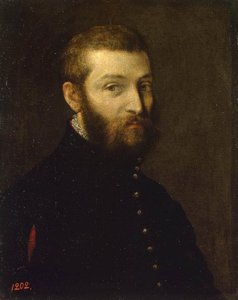
Paolo Veronese

Paolo Veronese

1528 - 1588, Włochy

Krótkie informacje o Paolo Veronese

  • Artistic Movement Or Style: Renesans, Mannerismus
  • Artists Or Movements Influenced By This Artist: ['Rafał']
  • Artists Who Influenced This Artist: ['Tycjan']
  • Date Of Birth: 1528
  • Date Of Death: 1588
  • Full Name: Paolo Veronese
  • Nationality: Włoski
  • Notable Artworks:
    • Ślub w Kanie Galilejskiej
    • Wieczór w domu Lewiego
  • Place Of Birth: Wenecja, Włochy

Biografia artysty

A Venetian Visionary: The Life and Art of Paolo Veronese

Paolo Caliari, universally known as Paolo Veronese, emerged from the vibrant artistic landscape of 16th-century Venice as a master of color, composition, and opulent spectacle. Born in Verona in 1528, the son of a stonecutter, his early life was deeply rooted in the visual richness of his surroundings – the classical architecture, sculpted forms, and burgeoning humanist ideals that characterized the region. His initial training under Antonio Badile and Giovanni Francesco Caroto provided him with a solid foundation in traditional techniques, but it was his move to Venice in the 1550s that truly ignited his artistic genius. The city itself became his muse, its bustling marketplaces, grand palazzi, and shimmering waterways profoundly shaping the scale and drama of his work. He quickly absorbed the influences of established Venetian masters like Titian, whose mastery of color exerted a significant impact on Veronese’s palette, yet he forged a distinctive style characterized by an unparalleled sense of theatricality and grandeur.

The Painter of Feasts and Grand Narratives

Veronese's enduring reputation rests primarily upon his monumental paintings, particularly those depicting lavish feasts and biblical scenes transformed into dazzling displays of Venetian life. *The Wedding at Cana*, completed in 1563 for the Benedictine monastery of San Giorgio Maggiore, stands as a testament to his extraordinary skill. This colossal canvas transcends mere illustration; it’s a vibrant panorama of 16th-century society, teeming with elegantly dressed figures, musicians, and architectural details rendered with breathtaking precision. The painting isn't simply about what happened at Cana but *how* it would have appeared if enacted in Venice during Veronese’s time – a remarkable feat of historical imagination. Similarly, *The Feast in the House of Levi*, originally titled *The Last Supper*, caused considerable controversy with the Inquisition due to its inclusion of contemporary figures and a seemingly irreverent atmosphere. Veronese defended his artistic license, arguing that painters were entitled to interpret sacred narratives with the same freedom afforded to poets and jesters – a bold assertion reflecting his belief in art’s power to reimagine and celebrate religious themes. These works weren't merely devotional images; they were exuberant celebrations of life, wealth, and the splendor of Venice itself. He eschewed the austerity often associated with religious painting, instead focusing on capturing the joy and abundance of existence.

Influences and Artistic Development

While Titian’s influence on Veronese’s colorism is undeniable – his palette mirroring Titian's luminous vibrancy – his artistic development was a complex synthesis of various influences. The architectural precision evident in his compositions draws heavily from the classical tradition prevalent in Verona during his formative years, particularly the work of architects like Michele Sanmicheli. He also absorbed elements from Central Italian masters such as Raphael and Parmigianino, reflected in the graceful lines and harmonious arrangements within his paintings. However, Veronese didn’t simply imitate these influences; he skillfully integrated them into a uniquely Venetian style characterized by its dramatic use of light, vibrant color palettes, and meticulous attention to detail. He excelled at creating illusions of space and depth, employing perspective techniques to draw viewers into the heart of his elaborate scenes. His mastery of oil painting allowed him to achieve an unparalleled luminosity and richness of texture – a hallmark of his distinctive style. He also managed a large workshop, with contributions from his brother Benedetto and sons Gabriele and Carlo, ensuring that his artistic vision continued to flourish even after his death in 1588.

Major Achievements and Notable Works

Veronese’s career produced an astonishing array of masterpieces, each showcasing his exceptional talent and distinctive style. *The Wedding at Cana* remains perhaps his most celebrated work, a monumental testament to Venetian society and artistic skill. *The Feast in the House of Levi*, despite its initial controversy, is another significant example of his ability to blend historical narrative with contemporary life. His depictions of mythological subjects, such as *Venus and Mars*, are renowned for their sensuality and dramatic composition. He also created numerous altarpieces and devotional paintings, demonstrating his versatility across various genres. Beyond individual works, Veronese’s influence extended to the decoration of significant Venetian buildings, including the Doges' Palace, where he contributed to the lavish interiors of the Council Hall. His work served as a visual embodiment of Venice’s wealth, power, and artistic prestige during the 16th century.

Legacy and Historical Significance

Paolo Veronese’s impact extends far beyond the realm of Renaissance art. His paintings continue to captivate audiences with their grandeur and spectacle, offering a glimpse into the opulent world of 16th-century Venice. He redefined historical painting by imbuing it with contemporary life, creating scenes that felt remarkably real and immediate. His use of color remains profoundly influential for artists today, and his work embodies the spirit of Renaissance humanism – a celebration of earthly beauty and the pleasures of existence. Veronese’s legacy is a testament to his artistic genius, his ability to capture the essence of an era, and his enduring contribution to the history of art. He stands as one of Venice's most celebrated artists, whose work continues to inspire awe and admiration centuries later.

§ 5Podobne dzieła

§ 6Pytania

Najważniejsze informacje

  • Medium: Oil on Canvas
  • Subject or theme: Religious Scene; Divine Intervention
  • Artist: Paolo Veronese
  • Location: Thyssen-Bornemisza Museum, Madrid, Spain
  • Notable elements or techniques: Dramatic lighting; Rich colors; Detailed drapery
  • Artistic style: Renaissance

Quiz o sztuce

Do każdego pytania dotyczy tylko jedna poprawna odpowiedź.

Pytanie 1:
What artistic movement is Paolo Veronese’s ‘Annunciation’ primarily associated with?
Pytanie 2:
The painting depicts a biblical scene featuring which two prominent figures?
Pytanie 3:
What is the dominant color palette used in ‘Annunciation’, contributing to its dramatic atmosphere?
Pytanie 4:
Veronese employed perspective techniques to create a sense of what in the artwork’s composition?
Pytanie 5:
The architectural backdrop of ‘Annunciation’ is characterized by which elements – reflecting the grandeur and formality of Renaissance art?

§ 7Cytuj ten wpis

AllPaintingsStore.com, “Paolo Veronese, Annunciation (1560)”, https://allpaintingsstore.com/pl/art/paolo-veronese-annunciation-8Y2VBJ-en/ArtistReproduction/ (dostęp dnia 8 Październik 2026).

§ 8Reprodukcja dzieła

Ręcznie malowana reprodukcja olejowa

Ręcznie malowany obraz olejny na płótnie, wykonany na zamówienie przez naszych artystów w wybranym przez Ciebie wymiarze i oprawie. ( Przełącz na wydania drukowane Przejdź do wersji cyfrowej)

Informacja ta widnieje na marginesie arkusza zamówienia; obecny stan tego arkusza przedstawia się następująco.

Annunciation

Technika reprodukcji

Wymiary reprodukcji

-

Wybitny mistrz artystyczny

Większa szczegółowość, finezja i dodatkowy czas na realizację

-

Opcje oprawy reprodukcji

-

-

W przypadku dzieł sztuki lub reprodukcji, których którykolwiek z boków przekracza 105 cm (około 41 cali), rama zostanie wysłana w formie zestawu do samodzielnego montażu. Metoda ta zapewnia bezpieczną dostawę i zapobiega uszkodzeniom podczas transportu.

Wymagany profesjonalny montaż – nie jest to produkt typu DIY.
Zestaw musi zostać złożony, a płótno naciągnięte przez doświadczonego profesjonalnego ramiarza, przy użyciu kleju do drewna (brak w zestawie), kleszczy do naciągania płótna oraz ścisków, które utrzymają krosna w równej pozycji podczas schnięcia kleju. Nieprawidłowy montaż lub nierównomierne napięcie płótna może trwale uszkodzić dzieło sztuki i nie podlega naszej gwarancji.

  • W zestawie znajdują się wszystkie listwy z litego drewna, precyzyjnie docięte do wymiarów.

  • Montaż odbywa się przy użyciu dołączonych wkrętów oraz kleju do drewna do łączenia narożników, którego zestaw nie zawiera i który musi zostać dostarczony przez ramiarza.

  • Wymagane są profesjonalne narzędzia, których nie ma w zestawie: kleszcze do naciągania płótna (napinacz) oraz zaciski, które pozwolą utrzymać listwy w równej pozycji podczas schnięcia kleju.

Ważne:
Do połączenia narożników niezbędny jest klej do drewna, listwy należy unieruchomić za pomocą ścisków do momentu całkowitego wyschnięcia kleju, a naciągnięcie płótna na złożoną ramę wymaga użycia kleszczy do naciągania płótna. Żaden z tych elementów nie jest dołączony do zestawu. Przed zamówieniem tego rozmiaru zalecamy konsultację z doświadczonym ramiarzem.

Etykieta obiektu

-

-

Lakier ochronny

Lakier z połyskiem (pogłębia kolory, chroni przed światłem i wilgocią)

-

Personalizacja dzieła

Przykłady możliwości personalizacji: zastąp twarz zdjęciem klienta; dodaj zwierzę domowe (np. zamień kota na psa); umieść ukrytą wiadomość w tle; zmień krajobraz lub elementy tła.

-

Ekspresowa

Dostawa na cały świat () w ciągu 3–4 tygodni zamiast standardowych 5 tygodni. (5 Listopad). Bez kompromisów w kwestii jakości.

-

Przesyłka ekspresowa

Dostawa na cały świat () w ciągu 5 tygodni. (12 Listopad).

W cenie

Cena całkowita

zł 1099

W każdym zamówieniu

  • Bezpłatna ekspresowa wysyłka na cały świat
  • Wysokiej jakości płótno lniane
  • Pełne ubezpieczenie przesyłki
  • Gwarancja zwrotu należności celnych i podatków importowych
  • Gwarancja wiernego odwzorowania kolorów
  • 100-dniowa polityka zwrotów (tylko w przypadku wad)
  • Gwarancja 100% zwrotu pieniędzy
  • Zniżka przy zakupie wielu sztuk
Arkusz zamówień