


 Podgląd w skali 1:1
 Wyślij jako kartkę
 Udostępnij
 Szczegóły dzieła
 Przewodnik

 Pobierz obraz
 Podobne obiekty
 RTG
RTG Pokaz slajdów
 Statystyki
Last Supper
 Oil On Canvas
- WallArt
- Baroque Renaissance
 1585
1585- Renaissance
 220.0 x 523.0 cm
 Pinakoteca di Brera
 Rozwiń treść
Kup wysokiej rozdzielczości, ulepszony obraz cyfrowy o jakości znacznie przewyższającej podgląd online.
Każdy plik jest starannie przygotowywany przez naszych specjalistów przy użyciu zaawansowanych narzędzi oraz profesjonalnej, ręcznej retuszy. Dbamy o to, aby każdy obraz cechował się wyjątkową ostrością, precyzyjnym odwzorowaniem kolorów i subtelnymi detalami.
Ostateczny plik dostarczany jest drogą mailową w ciągu 72 godzin, zoptymalizowany do natychmiastowego wykorzystania w profesjonalnych zastosowaniach redakcyjnych i poligraficznych. To ta sama jakość, której ufają czołowe studia projektowe, wydawnictwa oraz galerie sztuki.
Obraz cyfrowy
Pobierz plik o wysokiej rozdzielczości do osobistego użytku, druku oraz projektów kreatywnych. ( Przełącz na wydania drukowane Zamów ręcznie malowaną reprodukcję)
W każdym zamówieniu na obraz cyfrowy znajduje się
Profesjonalna dostawa cyfrowa z gwarancją
Wybierając AllPaintingsStore.com, nie otrzymujesz jedynie obrazu – otrzymujesz profesjonalnie udoskonalone cyfrowe dzieło sztuki, stworzone z najwyższą precyzją i objęte gwarancją satysfakcji. Oto wszystko, co automatycznie dołączane jest do Twojego zamówienia:

Błyskawiczna wysyłka e-mailowa
Plik z obrazem cyfrowym w wysokiej rozdzielczości zostanie przesłany na Twój adres e-mail w ciągu 72 godzin od złożenia zamówienia – gotowy do natychmiastowego użycia.

Plik cyfrowy wzbogacony przez AI
Twoja grafika została profesjonalnie zoptymalizowana przy użyciu zaawansowanych narzędzi AI oraz ręcznej edycji, co zapewnia maksymalną szczegółowość, klarowność i wierność kolorów.

Darmowe ponowne przesyłki dożywotnio
Przypadkowo usunąłeś lub zgubiłeś swój plik? Bez obaw – prześlemy go Tobie ponownie w dowolnym momencie, bez żadnych opłat.

Bez opłat importowych – zawsze
Ciesz się swoją sztuką natychmiast, bez żadnych opłat celnych, należności ani kosztów dostawy – pliki cyfrowe są zawsze wolne od podatku.

Gwarancja wierności kolorów
Dzięki zastosowaniu profesjonalnych narzędzi i procesów zarządzania barwą zapewniamy, że Twoje cyfrowe zdjęcie odzwierciedla oryginalne kolory tak wiernie, jak to tylko możliwe.

Gwarancja satysfakcji przez 100 dni
Jeśli nie będziesz zadowolony ze swojego cyfrowego obrazu, dokonamy jego poprawki lub zwrócimy 100% kosztów w ciągu 100 dni – bez zbędnych pytań.

100% Gwarancja zwrotu pieniędzy
Nie jesteś zadowolony? Otrzymaj pełny zwrot kosztów w ciągu 100 dni od otrzymania pliku cyfrowego – bez zbędnych pytań.

Rabaty przy zamówieniach hurtowych
Kup 3 obrazy, oszczędź 10% - Kup 5, oszczędź 15% - Kup 10+, oszczędź 20%. Idealne do projektów kreatywnych, galerii i agencji.
A Gathering Amidst the Splendor
The air within the room feels heavy with the weight of a shared moment, yet the scene pulses with an unexpected energy. Around a long, expansive table, Jesus and his twelve apostles are gathered, caught in a state of lively motion. Some figures lean forward, their faces etched with the intensity of the conversation, while others stand nearby, drifting through the periphery of the central group. It is a crowded, bustling assembly where the sacred meets the everyday. Men and women move through the space, dressed in fabrics that catch the light, their clothing detailed with such precision that one can almost sense the texture of the heavy silks and fine linens. The table itself is a landscape of abundance, cluttered with multiple cups, bowls, and the silver glint of forks and knives, suggesting a feast that is as much about physical presence as it is about spiritual significance.
In the background, the scene stretches further than the eye first perceives. A smaller dining table sits in the distance, accompanied by a solitary chair, hinting at a larger world existing just beyond this immediate circle of disciples. This depth creates an illusion of a vast, architectural space, pulling the viewer into the very heart of the feast. The atmosphere is far from somber; instead, it carries the hum of a social gathering, where voices overlap and eyes meet in silent understanding.
The Drama of Light and Color
Every brushstroke contributes to a sense of theatrical grandeur. The artist employs a palette that feels luminous, using light to define the folds of a sleeve or the curve of a ceramic bowl. There is a deliberate use of color that brings a sense of life to the skin tones and the surrounding architecture. This technique does more than merely depict a scene; it creates a stage where every figure possesses their own weight and importance. The way the light falls across the table, illuminating the utensils and the edges of the plates, directs the eye through the complex arrangement of bodies.
The composition relies on a careful balance of movement and stillness. While the central figures anchor the painting, the surrounding crowd provides a rhythmic flow that prevents the scene from feeling static. This approach to oil on canvas allows for a richness of texture, where the shadows feel deep and the highlights appear almost tactile. The sheer scale of the work—stretching over five meters in width—demands that the viewer move along with the figures, following the gaze of an apostle or the gesture of a standing guest. It is a painting that breathes, capturing a single, suspended moment of human connection amidst a sea of movement and light.
Pytania i odpowiedzi
Jaki format i orientacja druku są sugerowane dla „Last Supper” – Paolo Veronese?
Zalecany rozmiar wydruku dzieła „Last Supper” – Paolo Veronese to Large w orientacji Panoramic.
Do czego zaleca się wykorzystanie reprodukcji „Last Supper” – Paolo Veronese?
Reprodukcja dzieła „Last Supper” – Paolo Veronese jest polecana do Accent. Sugestia ta wynika z tematyki, nastroju oraz kolorystyki pracy.
Czy prawa autorskie do „Last Supper” – Paolo Veronese pozwalają na tworzenie reprodukcji?
Status praw autorskich do dzieła „Last Supper” – Paolo Veronese jest jasny: utwór znajduje się w należy do domeny publicznej – autorskie prawa majątkowe wygasły. Jego obecność w Pinakoteca di Brera nie zmienia tego stanu rzeczy.
Podobne dzieła


Biografia artysty
A Venetian Visionary: The Life and Art of Paolo Veronese
Paolo Caliari, universally known as Paolo Veronese, emerged from the vibrant artistic landscape of 16th-century Venice as a master of color, composition, and opulent spectacle. Born in Verona in 1528, the son of a stonecutter, his early life was deeply rooted in the visual richness of his surroundings – the classical architecture, sculpted forms, and burgeoning humanist ideals that characterized the region. His initial training under Antonio Badile and Giovanni Francesco Caroto provided him with a solid foundation in traditional techniques, but it was his move to Venice in the 1550s that truly ignited his artistic genius. The city itself became his muse, its bustling marketplaces, grand palazzi, and shimmering waterways profoundly shaping the scale and drama of his work. He quickly absorbed the influences of established Venetian masters like Titian, whose mastery of color exerted a significant impact on Veronese’s palette, yet he forged a distinctive style characterized by an unparalleled sense of theatricality and grandeur.The Painter of Feasts and Grand Narratives
Veronese's enduring reputation rests primarily upon his monumental paintings, particularly those depicting lavish feasts and biblical scenes transformed into dazzling displays of Venetian life. *The Wedding at Cana*, completed in 1563 for the Benedictine monastery of San Giorgio Maggiore, stands as a testament to his extraordinary skill. This colossal canvas transcends mere illustration; it’s a vibrant panorama of 16th-century society, teeming with elegantly dressed figures, musicians, and architectural details rendered with breathtaking precision. The painting isn't simply about what happened at Cana but *how* it would have appeared if enacted in Venice during Veronese’s time – a remarkable feat of historical imagination. Similarly, *The Feast in the House of Levi*, originally titled *The Last Supper*, caused considerable controversy with the Inquisition due to its inclusion of contemporary figures and a seemingly irreverent atmosphere. Veronese defended his artistic license, arguing that painters were entitled to interpret sacred narratives with the same freedom afforded to poets and jesters – a bold assertion reflecting his belief in art’s power to reimagine and celebrate religious themes. These works weren't merely devotional images; they were exuberant celebrations of life, wealth, and the splendor of Venice itself. He eschewed the austerity often associated with religious painting, instead focusing on capturing the joy and abundance of existence.Influences and Artistic Development
While Titian’s influence on Veronese’s colorism is undeniable – his palette mirroring Titian's luminous vibrancy – his artistic development was a complex synthesis of various influences. The architectural precision evident in his compositions draws heavily from the classical tradition prevalent in Verona during his formative years, particularly the work of architects like Michele Sanmicheli. He also absorbed elements from Central Italian masters such as Raphael and Parmigianino, reflected in the graceful lines and harmonious arrangements within his paintings. However, Veronese didn’t simply imitate these influences; he skillfully integrated them into a uniquely Venetian style characterized by its dramatic use of light, vibrant color palettes, and meticulous attention to detail. He excelled at creating illusions of space and depth, employing perspective techniques to draw viewers into the heart of his elaborate scenes. His mastery of oil painting allowed him to achieve an unparalleled luminosity and richness of texture – a hallmark of his distinctive style. He also managed a large workshop, with contributions from his brother Benedetto and sons Gabriele and Carlo, ensuring that his artistic vision continued to flourish even after his death in 1588.Major Achievements and Notable Works
Veronese’s career produced an astonishing array of masterpieces, each showcasing his exceptional talent and distinctive style. *The Wedding at Cana* remains perhaps his most celebrated work, a monumental testament to Venetian society and artistic skill. *The Feast in the House of Levi*, despite its initial controversy, is another significant example of his ability to blend historical narrative with contemporary life. His depictions of mythological subjects, such as *Venus and Mars*, are renowned for their sensuality and dramatic composition. He also created numerous altarpieces and devotional paintings, demonstrating his versatility across various genres. Beyond individual works, Veronese’s influence extended to the decoration of significant Venetian buildings, including the Doges' Palace, where he contributed to the lavish interiors of the Council Hall. His work served as a visual embodiment of Venice’s wealth, power, and artistic prestige during the 16th century.Legacy and Historical Significance
Paolo Veronese’s impact extends far beyond the realm of Renaissance art. His paintings continue to captivate audiences with their grandeur and spectacle, offering a glimpse into the opulent world of 16th-century Venice. He redefined historical painting by imbuing it with contemporary life, creating scenes that felt remarkably real and immediate. His use of color remains profoundly influential for artists today, and his work embodies the spirit of Renaissance humanism – a celebration of earthly beauty and the pleasures of existence. Veronese’s legacy is a testament to his artistic genius, his ability to capture the essence of an era, and his enduring contribution to the history of art. He stands as one of Venice's most celebrated artists, whose work continues to inspire awe and admiration centuries later.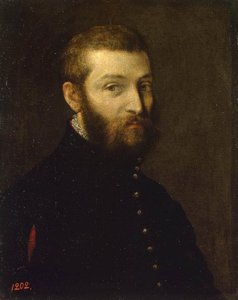
Paolo Veronese
1528 - 1588 , Włochy
Krótka nota
- Artistic Movement Or Style: Renesans, Mannerismus
- Artists Or Movements Influenced By This Artist: ['Rafał']
- Artists Who Influenced This Artist: ['Tycjan']
- Date Of Birth: 1528
- Date Of Death: 1588
- Full Name: Paolo Veronese
- Nationality: Włoski
- Notable Artworks:
- Ślub w Kanie Galilejskiej
- Wieczór w domu Lewiego
- Place Of Birth: Wenecja, Włochy

