


 Podgląd w skali 1:1
 Wyślij jako kartkę
 Udostępnij
 Szczegóły dzieła
 Przewodnik

 Pobierz obraz
 Podobne obiekty
 RTG
RTG Pokaz slajdów
 Statystyki
Bathers at Rest


 Rozwiń treść
Giclée / Wydruk artystyczny
Wydruki giclée lub płótna o jakości muzealnej, szybka realizacja i szeroki wybór opcji wykończenia. ( Zamów ręcznie malowaną reprodukcję Przejdź do wersji cyfrowej)




P118B zł10

P118H zł10

P118W zł10

P438Z zł10

P508JH zł12

P508YH zł12

P805H zł10

P805Z zł10

P919BZ zł10

P919G zł10

P919XJ zł10

P959ZH zł10

P968JZ zł12

W106C zł8

W218G zł10

W218JH zł8

W218Y zł10

W307PJ zł10

W316G zł10

W316PJ zł8

W316Y zł10

W398PJ zł8

W4111J zł10

W500HY zł15

W500JH zł15

W692G zł12

W849H zł8

W940BG zł15

W953PJ zł8




Wybierz spośród naszych standardowych rozmiarów, które zachowują oryginalne proporcje dzieła sztuki.

Wpisz wymaganą szerokość i wysokość, aby dopasować grafikę do ramy lub ściany. Wydruk można jedynie przyciąć, nigdy nie powiększając go poza oryginalny obraz, dlatego format o innych proporcjach spowoduje utratę części kompozycji. Przed rozpoczęciem druku prześlemy Ci cyfrowy podgląd do zatwierdzenia. Obraz wyświetlany na tej stronie nie pokazuje rzeczywistego przycięcia — jedynie podgląd oddaje ten efekt.
Dostawa na cały świat () w ciągu 2 tygodni zamiast standardowych 4/5 tygodni. (25 Październik)

Bezpłatna ekspresowa wysyłka na cały świat

Wysokiej jakości płótno lniane

Pełne ubezpieczenie przesyłki

Gwarancja zwrotu należności celnych i podatków importowych

Gwarancja wiernego odwzorowania kolorów

100-dniowa polityka zwrotów (tylko w przypadku wad)

Gwarancja 100% zwrotu pieniędzy

Zniżka przy zakupie wielu sztuk
 Opcja ze szkłem jest dostępna wyłącznie w rozmiarach poniżej 110 cm

Bathers at Rest
Giclée / Wydruk artystyczny
Wymiary reprodukcji
-


Cena całkowita
zł 246
Bathers at Rest: A Revolutionary Vision of Space and Form
Paul Cézanne’s “Bathers at Rest,” painted in 1877, stands as a cornerstone of Post-Impressionism – a movement that irrevocably shifted the course of modern art. More than simply a depiction of figures enjoying leisure, this painting is a profound exploration of space, form, and the relationship between an object and its surrounding environment. It’s a work brimming with tension, emotion, and a nascent desire to break free from the constraints of traditional representation, paving the way for movements like Cubism and Abstract Expressionism. Cézanne wasn't interested in merely *showing* us a scene; he aimed to capture its essence – the very feeling of being within that space. The painting’s genesis lies in Cézanne’s fascination with Japanese prints, particularly their flattened perspective and emphasis on geometric shapes, which profoundly influenced his approach to composition. He meticulously studied the effects of light and shadow, striving to render not just what he saw but how it *felt* to be there.- The Influence of Japonisme: Cézanne’s encounter with Japanese woodblock prints—known as Japonisme—was transformative. These prints championed a radically different visual language compared to Western painting, prioritizing simplified forms and flattened planes of color. Artists like Cézanne eagerly absorbed these principles, seeking ways to emulate their distinctive aesthetic qualities.
- Compositional Innovation: Unlike Impressionists who sought to capture fleeting moments of light, Cézanne deliberately constructed his scene with a sense of deliberate order. He employed geometric shapes—rectangles and triangles—to define the contours of the figures and landscape, creating a dynamic interplay between solidity and abstraction.
- Color Palette & Light: Cézanne’s masterful use of color contributes significantly to the painting's emotional impact. He juxtaposes complementary hues—such as blue and orange—to heighten visual tension and create an atmosphere of vibrancy. The artist skillfully renders light and shadow, emphasizing their sculptural qualities rather than merely imitating natural illumination.
- Brushwork & Texture: Cézanne’s distinctive brushstrokes are characterized by thick impasto—a technique where paint is applied in heavy layers—creating a palpable textural surface that conveys the physicality of the scene. These visible brushstrokes underscore Cézanne's commitment to representing form and structure directly, rejecting Impressionist optical illusion.
Post-Impressionism: Beyond Impression’s Fleeting Light
To truly appreciate “Bathers at Rest,” one must understand its place within the broader context of Post-Impressionism. Following in the footsteps of Impressionists like Monet and Renoir, who focused on capturing fleeting moments of light and color, artists such as Cézanne, Vincent van Gogh, and Georges Seurat sought to move beyond mere optical representation. They rejected the Impressionist emphasis on capturing a momentary impression and instead explored subjective expression, distorted forms, and bold colors – techniques that would fundamentally alter the landscape of art. Cézanne’s work, in particular, is characterized by its deliberate simplification of natural forms into geometric shapes—a crucial step towards Cubism. He wasn't aiming for photographic realism; rather, he was constructing a new visual language based on his own perception and understanding of the world. The thick, visible brushstrokes, often applied with a sense of urgency and dynamism, contribute to this feeling of constructed reality.- A Reaction Against Impressionism: Post-Impressionists responded to Impressionism’s limitations by asserting greater artistic freedom and prioritizing emotional resonance over accurate depiction. They questioned the Impressionist preoccupation with capturing transient visual sensations and instead sought to convey deeper psychological states.
- Exploring Form & Structure: Cézanne's primary concern was not to reproduce what he saw but to represent how he *felt* about it—the underlying structure of the scene rather than its superficial appearance. This approach fundamentally challenged Impressionist conventions and paved the way for subsequent artistic movements.
- Symbolic Significance: The painting’s composition and color palette evoke a sense of contemplative stillness, reflecting Cézanne's philosophical interest in exploring the relationship between art and nature. The figures embody an idealized vision of human existence—harmoniously integrated into the natural world.
Analyzing Cézanne’s Unique Style: Geometry and Distortion
“Bathers at Rest” showcases Cézanne's distinctive style in remarkable clarity. The figures themselves are rendered with a degree of distortion – their bodies aren’t perfectly proportioned, and their poses are subtly unsettling. This isn’t done for mere aesthetic effect; it’s a deliberate attempt to represent the underlying structure of the scene rather than its superficial appearance. Notice how Cézanne breaks down the forms into basic geometric shapes—rectangles, triangles, and circles—and then reassembles them in a new, more dynamic arrangement. The landscape is similarly fragmented, with trees depicted as simplified masses of color and form. The use of complementary colors – such as the juxtaposition of blue and orange – intensifies the sense of tension and creates a vibrant, almost unsettling atmosphere. Cézanne’s meticulous attention to detail—particularly in rendering the contours of the figures—underscores his commitment to conveying both visual accuracy and emotional depth.- Geometric Reduction: Cézanne's simplification of forms into geometric shapes—a hallmark of Post-Impressionism—represents a radical departure from Impressionist realism. This technique allows for an exploration of underlying structural principles while maintaining a sense of visual coherence.
- Psychological Depth: Cézanne’s distortions convey not only physical form but also psychological states—expressing feelings of contemplation, solitude, and inner turmoil. These subtle gestures contribute to the painting's profound emotional impact.
- Spatial Illusion: Cézanne manipulates perspective and spatial relationships to create an illusionistic effect that transcends mere visual representation. He achieves this through careful consideration of tonal values and compositional arrangement—techniques that anticipate developments in Cubism and Abstract Expressionism.
Influence and Legacy: A Father of Modern Art
Cézanne's radical innovations had a profound and lasting impact on the development of modern art. His emphasis on form, color, and spatial relationships directly influenced artists like Pablo Picasso and Georges Braque, who would later pioneer Cubism. Picasso famously declared Cézanne “the father of us all,” recognizing his pivotal role in dismantling traditional artistic conventions. "Bathers at Rest" isn’t just a beautiful painting; it's a manifesto – a declaration of intent to redefine the very nature of art. It demonstrated that art could be more than a mere imitation of reality; it could be an exploration of perception, emotion, and the underlying structure of the world around us. Cézanne’s legacy extends far beyond his own lifetime, inspiring generations of artists to challenge established norms and pursue innovative visual languages. He remains one of the most influential figures in the history of art—a pioneer whose vision continues to resonate with audiences today.AllPaintingsStore.com offers exquisite handmade oil painting reproductions and prints on canvas of “Bathers at Rest,” allowing you to experience this masterpiece in your own home or office. These meticulously crafted reproductions capture the essence of Cézanne’s vision, bringing his revolutionary style into a contemporary setting.
Pytania i odpowiedzi
Gdzie mogę pobrać „Bathers at Rest” – Paul Cézanne?
Możliwość pobrania dzieła „Bathers at Rest”: strona Pobierz plik cyfrowy oferuje wysokiej rozdzielczości cyfrowe zdjęcie do pobrania.
Czy mogę użyć rozszerzonej rzeczywistości, aby zobaczyć „Bathers at Rest” – Paul Cézanne w swoim pokoju?
„Bathers at Rest” posiada podgląd w rozszerzonej rzeczywistości: strona Podgląd w AR pozwala zobaczyć dzieło w Twojej własnej przestrzeni na kompatybilnym urządzeniu.
Co wyjaśnia sytuację prawną dotyczącą praw autorskich do „Bathers at Rest” – Paul Cézanne?
Dzieło "Bathers at Rest" autorstwa Paul Cézanne znajduje się w należy do domeny publicznej – autorskie prawa majątkowe wygasły. Okres ochrony praw autorskich liczony jest od daty śmierci artysty, a Paul Cézanne zmarł(a) w 1906.
Podobne dzieła


Biografia artysty
Początki i Formowanie się Wizji: Życie Paula Cézanne’a
Paul Cézanne, urodzony 19 stycznia 1839 roku w Aix-en-Provence, był postacią przełomową, łączącą świat impresjonistycznych wrażeń z fragmentarycznymi formami kubizmu. Jego droga nie była usiana natychmiastowym uznaniem; raczej stanowiła powolny proces artystycznej eksploracji, naznaczony okresami zwątpienia i krytyki, który ostatecznie doprowadził do spuścizny na trwałe zmieniającej bieg historii sztuki. Cézanne pochodził z zamożnej rodziny – jego ojciec był początkowo kapelusznikiem, a później bankierem – co zapewniało mu rzadko spotykane bezpieczeństwo finansowe, pozwalając mu poświęcić się pasji bez natychmiastowej presji komercyjnego sukcesu. Początkowo skierowany przez ojca na studia prawnicze, uległ jednak sile wyrazu artystycznego i ostatecznie porzucił prawo na rzecz malarstwa, decyzji która zdefiniowała jego życie. Wczesne inspiracje czerpał z romantyzmu panującego w młodości oraz dbałości o krajobraz charakterystycznej dla szkoły Barbizońskiej, jednak to spotkania z artystami takimi jak Paul Gauguin i Georges Seurat, a ich innowacyjnymi podejściami do koloru i formy, pozwoliły Cézanne’owi wytyczyć własną, niepowtarzalną ścieżkę.Od Ciemności do Struktury: Ewolucja Stylu
Wczesne prace Cézanne’a często odzwierciedlały dramatyczne, emocjonalnie naładowane tematy charakterystyczne dla malarstwa romantycznego – ciemne palety i ekspresyjny pociągnięcie pędzlem dominowały w jego kompozycjach. Ta początkowa faza była jednak jedynie trampoliną do znacznie bardziej analitycznego i przełomowego podejścia. Niezadowolony z prostego uchwycenia ulotnych wrażeń świetlnych, jak to czynili impresjoniści, Cézanne podjął próbę zrozumienia i przedstawienia ukrytej struktury samych obiektów. Dążył nie tylko do tego, *co* widział, ale przede wszystkim do tego, *jak* postrzegał fundamentalne formy stanowiące rzeczywistość. To doprowadziło go do rozkładania naturalnych kształtów na ich geometryczne odpowiedniki – stożki, cylindry, kule – wyprzedzając rewolucję kubistyczną o dekady. Jego technika charakteryzowała się drobnymi, powtarzalnymi pociągnięciami pędzla, starannie nakładanymi warstwami w celu budowania złożonych pól koloru i tekstury, tworząc poczucie solidności i głębi wcześniej niespotykane w malarstwie. Nie interesowała go iluzoryczna przestrzeń; zamiast tego często prezentował obiekty z wielu punktów widzenia jednocześnie, kwestionując tradycyjne pojęcia perspektywy i zmuszając widza do aktywnego zaangażowania się w konstruowany charakter jego kompozycji. To celowe zniekształcenie nie było arbitralne, lecz stanowiło próbę przekazania pełniejszego zrozumienia formy, reprezentując nie tylko pojedynczy moment w czasie, ale syntezę percepcji.Krajobrazy, Martwe Natury i Forma Ludzka: Kluczowe Dzieła i Powracające Motywy
Twórczość Cézanne’a jest niezwykle różnorodna, obejmując krajobrazy, martwe natury, portrety i przedstawienia kąpiących się, jednak wszystkie łączy jego unikalne podejście do formy i koloru. Staw w Jas de Bouffan, namalowany w 1880 roku, jest przykładem jego pracy krajobrazowej, ukazując zdolność do uchwycenia istoty natury poprzez staranne ułożenie kształtów i tonów. Portret Émile’a Zoli, stworzony w 1866 roku, ujawnia rozwój jego stylu i oferuje przekonujący wgląd w intelektualną intensywność bliskiego przyjaciela i współczesnego pisarza. Jego martwe natury, takie jak te z jabłkami i innymi owocami, nie są jedynie reprezentacjami obiektów, lecz eksploracją objętości, światła i relacji przestrzennych. Seria Mont Sainte-Victoire stała się obsesją Cézanne’a, powracającym motywem, który pozwolił mu niestrudzenie badać formę i perspektywę przez dziesięciolecia. Te obrazy nie są jedynie przedstawieniami góry; to studia nad tym, jak postrzegamy głębię, objętość i grę światła i cienia. Wreszcie, jego seria Kąpiących się, przedstawiająca nagie postaci w idyllicznych krajobrazach, reprezentuje pogłębioną eksplorację ludzkiej formy i jej związku z naturą, często przesyconą poczuciem ponadczasowości i cichej kontemplacji.Spuścizna Wykuta Innowacją: Wpływ Cézanne’a na Sztukę Współczesną
Wpływ Paula Cézanne’a na kolejne pokolenia artystów jest nieoceniony. Powszechnie uważany za „ojca sztuki współczesnej” ze względu na przełomowy wkład w język obrazowania, torując drogę wielu głównym ruchom artystycznym XX wieku. Pablo Picasso i Georges Braque byli głęboko wdzięczni Cézanne’owi za nacisk na geometryczne formy i wielokrotne perspektywy, które stały się centralnymi zasadami kubizmu. Jego śmiałe użycie koloru zainspirowało również ruch fauwistyczny, prowadzony przez artystów takich jak Henri Matisse, którzy przyjęli żywe, nienaturalne odcienie. Nawet artyści surrealistyczni znaleźli rezonans w eksploracji subiektywnej percepcji i głębi psychicznej Cézanne’a. Poza konkretnymi ruchami, upór Cézanne’a na osobistą wizję artysty i odrzucenie tradycyjnych akademickich ograniczeń uwolniło pokolenia malarzy do eksplorowania nowych form ekspresji. Podważył on samą definicję reprezentacji, przesuwając nacisk z imitacji rzeczywistości na konstruowanie doświadczenia wizualnego opartego na ukrytej strukturze i subiektywnej percepcji. Jego śmierć w 1906 roku nie oznaczała końca, lecz początku – świtu nowej ery w historii sztuki, głęboko ukształtowanej przez jego rewolucyjną wizję.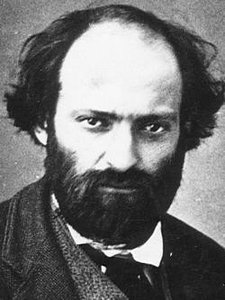
Paul Cézanne
1839 - 1906 , Francja
Krótka nota
- Artyści, Którzy Wpłynęli Na Niego:
- Romantyzm
- Barbizon
- Paul Gauguin
- Artyści/Ruchy Zainspirowane Nim:
- Kubizm
- Fowizm
- Data Urodzenia: 19 stycznia 1839
- Data Śmierci: 22 października 1906
- Miejsce Urodzenia: Aix-en-Provence, Francja
- Narodowość: Francuz
- Pełne Imię I Nazwisko: Paul Cézanne
- Ruch Artystyczny: Postimpresjonizm
- Znane Dzieła:
- Staw w Jas de Bouffan
- Portret Émile Zoli
- Mont Sainte-Victoire
Powiązane artykuły

Beyond Impressionism: Exploring the Emotional Depth and Vibrant Mastery of Post-Impressionist Art
Discover the profound evolution of art beyond Impressionism. Explore the emotional depth, vibrant colors, and revolutionary techniques of Post-Impressionist masters like Van Gogh and Cézanne in this expert guide to art history's most expressive movement.

Post-Impressionism Guide: Bold Colors and Expressive Masterpieces for Professional Hotel Decorators
Elevate hospitality interiors with Post-Impressionist masterpieces. A professional guide for hotel designers on selecting bold, expressive oil reproductions and large-scale murals to create impactful, high-end guest experiences through expert art procurement.


