


 Podgląd w skali 1:1
 Wyślij jako kartkę
 Udostępnij
 Szczegóły dzieła
 Przewodnik

 Pobierz obraz
 Podobne obiekty
 RTG
RTG Pokaz slajdów
 Statystyki
Expectation


 Rozwiń treść
Dzieło sztuki prezentowane na tej stronie podlega ochronie prawem autorskim, co oznacza, że nie mamy prawa do tworzenia ani sprzedaży jego identycznej reprodukcji. Ochrona ta jest egzekwowana na mocy umów międzynarodowych, takich jak Konwencja berneńska oraz przez przepisy prawa krajowego, w tym te określone w Prawo autorskie USA – Tytuł 17.
Metoda ta jest w pełni zgodna z przepisami prawa autorskiego, ponieważ nie polega na kopiowaniu ani powielaniu chronionego dzieła. Stanowi ona kreatywną reinterpretację – nowy obraz, który czerpie inspirację z oryginału, ale nie jest z nim tożsamy.
Giclée / Wydruk artystyczny
Wydruki giclée lub płótna o jakości muzealnej, szybka realizacja i szeroki wybór opcji wykończenia. ( Zamów ręcznie malowaną reprodukcję Przejdź do wersji cyfrowej)




P118B zł10

P118H zł10

P118W zł10

P438Z zł10

P508JH zł12

P508YH zł12

P805H zł10

P805Z zł10

P919BZ zł10

P919G zł10

P919XJ zł10

P959ZH zł10

P968JZ zł12

W106C zł8

W218G zł10

W218JH zł8

W218Y zł10

W307PJ zł10

W316G zł10

W316PJ zł8

W316Y zł10

W398PJ zł8

W4111J zł10

W500HY zł15

W500JH zł15

W692G zł12

W849H zł8

W940BG zł15

W953PJ zł8




Wybierz spośród naszych standardowych rozmiarów, które zachowują oryginalne proporcje dzieła sztuki.

Wpisz wymaganą szerokość i wysokość, aby dopasować grafikę do ramy lub ściany. Wydruk można jedynie przyciąć, nigdy nie powiększając go poza oryginalny obraz, dlatego format o innych proporcjach spowoduje utratę części kompozycji. Przed rozpoczęciem druku prześlemy Ci cyfrowy podgląd do zatwierdzenia. Obraz wyświetlany na tej stronie nie pokazuje rzeczywistego przycięcia — jedynie podgląd oddaje ten efekt.
Dostawa na cały świat () w ciągu 2 tygodni zamiast standardowych 4/5 tygodni. (27 Październik)

Bezpłatna ekspresowa wysyłka na cały świat

Wysokiej jakości płótno lniane

Pełne ubezpieczenie przesyłki

Gwarancja zwrotu należności celnych i podatków importowych

Gwarancja wiernego odwzorowania kolorów

100-dniowa polityka zwrotów (tylko w przypadku wad)

Gwarancja 100% zwrotu pieniędzy

Zniżka przy zakupie wielu sztuk
 Opcja ze szkłem jest dostępna wyłącznie w rozmiarach poniżej 110 cm

Expectation
Giclée / Wydruk artystyczny
Wymiary reprodukcji
-


Cena całkowita
zł 246
Podobne dzieła


Biografia artysty
Paul Hoecker (1854–1910): A Pioneer of Munich Secession
Paul Hoecker, born August 11, 1854, in Munich, Germany, was a German painter who stands as a pivotal figure within the Munich School and arguably more importantly, the Munich Secession – movements that fundamentally reshaped artistic sensibilities at the turn of the century. His life’s trajectory unfolded against a backdrop of burgeoning artistic experimentation and intellectual ferment, culminating in a tragically premature death at the age of 56 in 1910. While his personal life was marked by scandal—particularly the infamous “Green Room Affair”—his artistic legacy endures as a testament to his unwavering dedication to Impressionistic landscapes and portraits imbued with profound emotional depth.- Early Influences & Education: Hoecker’s artistic inclinations began early, nurtured by his attendance at the Neustadt Gymnasium where he cultivated a penchant for sketching caricatures of instructors—a habit that foreshadowed his later satirical approach to visual storytelling. His formal training commenced at the Academy of Fine Arts Munich in 1874, under the tutelage of Wilhelm von Diez, who decisively steered him away from genre painting towards the expressive currents of Impressionism. This pivotal mentorship proved instrumental in shaping Hoecker’s artistic vision and establishing his connection to the avant-garde movement.
- Parisian Exploration & Bauhaus Connections: Recognizing the transformative potential of Parisian art culture, Hoecker embarked on a significant journey in 1882, immersing himself in the vibrant atmosphere of Impressionism and engaging with artists like Camille Pissarro and Claude Monet. Simultaneously, he cultivated friendships with Fritz von Uhde and Bruno Pflügelhein, fostering intellectual dialogues that broadened his artistic horizons. The influence of Bauhaus principles—particularly geometric abstraction—became increasingly apparent during this period, subtly informing his compositional choices.
- The Secession & Artistic Innovation: In 1892, Hoecker joined forces with fellow artists to establish the Munich Secession, a bold declaration against academic conventions and an embrace of artistic freedom. This collective endeavor propelled him into the forefront of German Modernism, galvanizing discussions about artistic expression and challenging established aesthetic norms. The Secession’s ethos—characterized by spontaneity, experimentation, and a rejection of traditional patronage—provided Hoecker with fertile ground for pursuing his distinctive artistic vision.
- Notable Works & Artistic Style: Hoecker's oeuvre encompasses a diverse range of subjects—landscapes, portraits, and genre scenes—each rendered with meticulous attention to detail and infused with luminous color palettes reminiscent of Impressionistic techniques. His paintings frequently depict serene domestic interiors bathed in soft light, capturing fleeting moments of emotion and conveying subtle psychological nuances. Particularly noteworthy are his depictions of Capri, where he skillfully captured the ethereal beauty of the Mediterranean landscape.
- Legacy & Historical Significance: Hoecker’s contribution to German art history extends beyond his individual artworks; he served as a formative teacher at the Academy of Fine Arts Munich, introducing students to Impressionism and fostering an environment conducive to artistic innovation. His pioneering spirit—embodied in the “Geniekasten” (genius box)—inspired generations of artists and cemented his position as one of the most influential figures within the Munich School and Secession movements. Hoecker’s work continues to resonate with audiences today, serving as a poignant reminder of the transformative power of artistic vision and unwavering commitment to creative exploration.
The Scandalous Green Room Affair
The “Green Room Affair,” which erupted in 1897, irrevocably altered Hoecker’s personal life and garnered considerable public attention. Rumors circulated alleging that he had utilized a male prostitute as a model for his painting "The Green Room," sparking outrage within Munich society and triggering a protracted legal battle. While the veracity of these claims remains debated by historians, the scandal undeniably overshadowed Hoecker's artistic achievements and fueled discussions about morality and artistic integrity—a testament to the pervasive influence of societal expectations on artists’ lives during this era.Exploring Impressionistic Landscapes
Hoecker’s landscapes exemplify his mastery of Impressionistic techniques—characterized by rapid brushstrokes, vibrant color palettes, and an emphasis on capturing atmospheric effects. His depictions of Capri are particularly celebrated for their luminous quality and evocative portrayal of the Mediterranean seascape—a testament to his ability to translate visual sensations into emotionally resonant imagery.Influence & Artistic Connections
Hoecker’s artistic trajectory was profoundly shaped by collaborations with fellow Secession artists, notably Franz von Lenbach, who exerted considerable influence over Hoecker's stylistic choices and fostered a shared commitment to modernist ideals. His friendships with Bruno Pflügelhein and Fritz von Uhde enriched his intellectual life and broadened his artistic perspectives—demonstrating the importance of artistic dialogue in fostering innovation and challenging conventional boundaries.
Krótka nota
- Artistic Movement Or Style: Munich School & Secession
- Artists Or Movements Influenced By This Artist: ['Franz von lenbach']
- Artists Who Influenced This Artist: ['Wilhelm von diez']
- Date Of Death: 1910
- Full Name: Paul Hoecker
- Nationality: German
- Notable Artworks:
- Expectation
- Girl with Her Grandmother
- The Green Room
- Place Of Birth: Munich, Germany
Powiązane artykuły
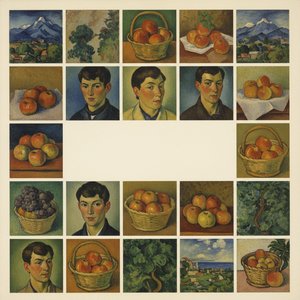
Paul Cézanne: 25 Arcydzieł, które Zrewolucjonizowały Świat Sztuki | AllPaintingsStore
Odkryj 25 arcydzieł Paula Cézanne'a – od impresjonizmu po postimpresjonizm. Poznaj historie, techniki i inspiracje malarza, który zrewolucjonizował sztukę. Reprodukcje obrazów najwyższej jakości na AllPaintingsStore.com!

Olej na płótnie: Historia, techniki i ponadczasowy urok malarskiego medium
Poznaj historię i techniki malarstwa olejowego! Od renesansowych mistrzów po współczesne zastosowania – wszystko o oleju na płótnie. Poradniki, konserwacja i inspiracje dla pasjonatów sztuki.

Paul Klee: 25 Arcydzieł Koloru i Formy | Reprodukcje Obrazów Online - AllPaintingsStore
Odkryj 25 arcydzieł Paula Klee – od abstrakcji po ekspresjonizm. Poznaj historie, techniki i inspiracje malarza. Reprodukcje obrazów najwyższej jakości na AllPaintingsStore.com. Eksploruj pełną kolekcję online!

Trwała Spuścizna Malarstwa Olejnego: Technika, Historia i Estetyczny Wpływ
Poznaj historię i technikę malarstwa olejnego! Eksperckie artykuły o konserwacji, renowacji oraz współczesnych zastosowaniach. Dowiedz się więcej o mistrzach i trwałości obrazów olejnych.

10 Legendarnych Obrazów Olejnych na Desce, Które Zmieniły Sztukę | AllPaintingsStore
Odkryj 10 legendarnych obrazów olejnych na desce, które zrewolucjonizowały świat sztuki! Van Gogh, Munch i Klimt – poznaj historie arcydzieł impresjonizmu, ekspresjonizmu i realizmu. Znajdź inspiracje do wnętrz i reprodukcje najwyższej jakości na AllPaintingsStore.com

