


 Zobacz w skali 1:1
 Wyślij
 Udostępnij
 Szczegóły
 Przewodnik

 Pobierz plik obrazu
 Podobne obiekty
 RTG
RTG Pokaz slajdów
 Statystyki
Philipp wilhelm

 Czytaj więcej
Ręcznie malowana reprodukcja olejowa
Ręcznie malowany obraz olejny na płótnie, wykonany na zamówienie przez naszych artystów w wybranym przez Ciebie wymiarze i oprawie. ( Przełącz na wersję drukowaną Przełącz na wersję cyfrową)




P118B zł10

P118H zł10

P118W zł10

P438Z zł10

P508JH zł12

P508YH zł12

P805H zł10

P805Z zł10

P919BZ zł10

P919G zł10

P919XJ zł10

P959ZH zł10

P968JZ zł12

W106C zł8

W218G zł10

W218JH zł8

W218Y zł10

W307PJ zł10

W316G zł10

W316PJ zł8

W316Y zł10

W398PJ zł8

W4111J zł10

W500HY zł15

W500JH zł15

W692G zł12

W849H zł8

W940BG zł15

W953PJ zł8




Wybierz spośród naszych standardowych rozmiarów, które zachowują oryginalne proporcje dzieła sztuki.

Wpisz wymaganą szerokość i wysokość, aby obraz pasował do Twojej ramy lub ściany. Ponieważ jest to dzieło malowane ręcznie, w przypadku rozmiaru o innym proporcji artysta może domalować nieco więcej wokół obrazu lub przyciąć fragmenty — wybór należy do Ciebie. Przed rozpoczęciem pracy prześlemy Ci cyfrową wizualizację do zatwierdzenia. Obraz widoczny na tej stronie nie przedstawia rzeczywistego efektu — jedynie wizualizacja oddaje realny rezultat.
Po złożeniu zamówienia zespół AllPaintingsStore.com skontaktuje się z klientem drogą mailową w celu uzyskania instrukcji i prześle wizualizację projektu
Dostawa na całym świecie () w ciągu 3–4 tygodni zamiast standardowych 5 tygodni. (24 Październik). Bez kompromisów w kwestii jakości.

Bezpłatna ekspresowa wysyłka na cały świat

Wysokiej jakości płótno lniane

Pełne ubezpieczenie transportowe

Gwarancja zwrotu należności celnych i podatków importowych

Gwarancja idealnego odwzorowania barw

100-dniowy okres na zwrot dzieła w przypadku wykrycia wad produkcyjnych

Gwarancja 100% zwrotu pieniędzy

Oferta przy zakupie wielu sztuk
 Opcja ze szkłem jest dostępna wyłącznie w rozmiarach poniżej 110 cm

Philipp wilhelm
Technika wykonania
Rozmiar reprodukcji
-


Suma do zapłaty
zł 990
Podobne dzieła


Biografia artysty
A Refined Vision of the Dutch Golden Age: Pieter van der Werff
Pieter van der Werff, a name perhaps less immediately recognized than those of Rembrandt or Vermeer, nevertheless occupies a significant and fascinating niche within the pantheon of Dutch Golden Age painters. Born in The Hague in 1665 and passing away in Rotterdam in 1722, his career unfolded during a period of immense artistic flourishing in the Netherlands, yet he carved out a distinctive style characterized by elegance, meticulous detail, and an early embrace of innovative pigments. His life was deeply intertwined with that of his older brother, Adriaen van der Werff, who served as both mentor and foundational influence, shaping Pieter’s trajectory from its earliest stages. While Adriaen achieved considerable renown – even securing a prestigious position at the court of the Elector Palatine – Pieter established himself primarily in Rotterdam, becoming the favored portraitist of the city's affluent citizenry and leaving behind a legacy that offers invaluable insights into the social fabric and aesthetic sensibilities of his time.Early Life and Artistic Training
Pieter’s formative years were profoundly shaped by familial connections. Adriaen van der Werff, already an established painter with considerable experience in portraiture and genre painting, instilled in Pieter a dedication to artistic excellence from a young age. This mentorship extended beyond mere technical instruction; it encompassed a crucial introduction to the prevailing artistic currents of the Baroque era – specifically the dramatic compositions, rich color palettes, and emotional intensity championed by artists like Rubens and Caravaggio. Recognizing Pieter’s innate talent, Adriaen encouraged him to pursue his artistic ambitions with unwavering determination, fostering a style that would become synonymous with Dutch Baroque painting. The influence of Flemish masters was palpable in Pieter's early works, demonstrating the breadth of his artistic education and establishing the groundwork for his future stylistic development.Style and Technique: Precision and Psychological Depth
Pieter van der Werff’s artistic signature is defined by remarkable precision combined with a profound understanding of human psychology. Unlike many of his contemporaries who prioritized spectacle over subtlety, he cultivated a style characterized by meticulous observation and painstaking detail—a hallmark that distinguishes him from artists like Rembrandt. His portraits weren't merely representations of physical appearance; they were carefully constructed portrayals designed to convey not only likeness but also character, status, and inner emotions. He achieved this feat through masterful brushwork, utilizing chiaroscuro – the dramatic interplay of light and shadow—to sculpt form and imbue his subjects with palpable presence. This technique allowed him to capture fleeting expressions and subtle nuances of personality, elevating portraiture beyond mere likeness into a powerful medium for psychological exploration. Furthermore, Pieter’s pioneering use of Prussian blue—a pigment newly synthesized in Europe—added depth and luminosity to his canvases, reflecting the artistic spirit of his time and establishing him as one of the foremost innovators of his generation.Notable Works and Artistic Achievements
Pieter van der Werff produced a substantial body of work spanning portraiture, mythological scenes, historical narratives, and genre paintings. Among his most celebrated achievements are “Expulsion of Adam and Eve,” a monumental depiction of biblical drama imbued with dramatic emotion; “Granida and Diafilo,” a poignant portrayal of classical mythology conveying profound pathos; and “Johan de Vries portrait,” a masterful likeness capturing the dignified countenance of Rotterdam’s prominent citizen. These paintings exemplify Van der Werff's ability to synthesize technical virtuosity with artistic vision, demonstrating his mastery of composition, color theory, and psychological rendering. His works are housed in museums across Europe, testifying to their enduring aesthetic appeal and historical significance.Legacy and Influence
Pieter van der Werff’s contribution to Dutch Baroque painting extends beyond the individual masterpieces he created. He served as a pivotal figure within Rotterdam's artistic community, fostering a tradition of refined portraiture and elevating the standards of artistic excellence. His influence can be discerned in the works of subsequent generations of painters who admired his meticulous technique and psychological insight. More broadly, Van der Werff’s legacy embodies the spirit of the Dutch Golden Age—a period characterized by intellectual curiosity, artistic innovation, and a commitment to capturing the complexities of human experience. He remains an artist whose work continues to inspire admiration for its beauty, precision, and profound understanding of the human condition.- His meticulous attention to detail and masterful use of Prussian blue cemented his reputation as one of the most innovative painters of his era.
- The enduring fascination with biblical narratives and classical mythology reflects Van der Werff’s engagement with the intellectual currents of his time.

Pieter van der Werff
1665 - 1722 , Holandia
Najważniejsze informacje
- Artistic Movement Or Style: Baroque
- Artists Who Influenced This Artist: Adriaen van der Werff
- Date Of Birth: 1665
- Date Of Death: 1722
- Full Name: Pieter van der Werff
- Nationality: Dutch
- Notable Artworks:
- Expulsja Adama i Ewę
- Granida i Diafilo
- Bellen blazen (Bublowanie)
- Portret Jana de Vries
- Place Of Birth: The Hague, Netherlands
Zobacz także powiązane artykuły
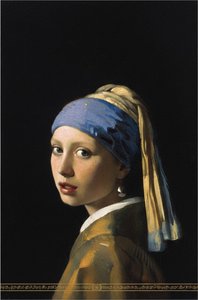
Złoty Wiek Holandii: 10 arcydzieł, które zmieniły historię sztuki | AllPaintingsStore.com
Odkryj 10 arcydzieł Złotego Wieku Holandii! Poznaj historię Rembrandta, Vermeera i innych mistrzów. Reprodukcje obrazów najwyższej jakości do Twojego wnętrza – AllPaintingsStore.com.

Chiaroscuro and Character: A Definitive Guide to Light and Shadow in the Dutch Baroque Era
Explore the dramatic mastery of the Dutch Baroque era. Discover how masters like Rembrandt used chiaroscuro to transform everyday life into timeless art. An expert guide for collectors and enthusiasts seeking to understand the profound interplay of light and shadow.

Golden Light & Dutch Skies: The Timeless Magic of Dutch Golden Age Landscapes
Discover the breathtaking beauty of Dutch Golden Age landscapes. Explore the mastery of light, chiaroscuro, and 17th-century realism through an expert art history lens, celebrating the enduring legacy of the Dutch Masters for discerning collectors and art lovers.
Złoty Wiek Niderlandów: Światło, Realizm i Kulturowe Innowacje w Malarstwie Barokowym
Odkryj fascynujący świat malarstwa holenderskiego Złotego Wieku! Poznaj arcydzieła Rembrandta, Vermeera i innych mistrzów. Analiza technik, gatunków i wpływu na sztukę europejską.

Blask Złotej Ery Niderlandów: Studium Innowacji w Malarstwie XVII Wieku
Odkryj fascynujący świat malarstwa holenderskiego Złotej Ery! Analiza innowacyjnych technik Rembrandta, Vermeera i innych mistrzów. Poznaj historię, gatunki i wpływ tego wyjątkowego okresu na sztukę.


