


 Podgląd w skali 1:1
 Wyślij jako kartkę
 Udostępnij
 Szczegóły dzieła
 Przewodnik

 Pobierz obraz
 Podobne obiekty
 RTG
RTG Pokaz slajdów
 Statystyki
Sensuality
 Oil On Canvas
- WallArt
- Baroque Rococo Fusion
 1747
1747- Renaissance
 138.0 x 100.0 cm
 Muzeum Ermitażu
 Rozwiń treść
Giclée / Wydruk artystyczny
Wydruki giclée lub płótna o jakości muzealnej, szybka realizacja i szeroki wybór opcji wykończenia. ( Zamów ręcznie malowaną reprodukcję Przejdź do wersji cyfrowej)




P118B zł10

P118H zł10

P118W zł10

P438Z zł10

P508JH zł12

P508YH zł12

P805H zł10

P805Z zł10

P919BZ zł10

P919G zł10

P919XJ zł10

P959ZH zł10

P968JZ zł12

W106C zł8

W218G zł10

W218JH zł8

W218Y zł10

W307PJ zł10

W316G zł10

W316PJ zł8

W316Y zł10

W398PJ zł8

W4111J zł10

W500HY zł15

W500JH zł15

W692G zł12

W849H zł8

W940BG zł15

W953PJ zł8




Wybierz spośród naszych standardowych rozmiarów, które zachowują oryginalne proporcje dzieła sztuki.

Wpisz wymaganą szerokość i wysokość, aby dopasować grafikę do ramy lub ściany. Wydruk można jedynie przyciąć, nigdy nie powiększając go poza oryginalny obraz, dlatego format o innych proporcjach spowoduje utratę części kompozycji. Przed rozpoczęciem druku prześlemy Ci cyfrowy podgląd do zatwierdzenia. Obraz wyświetlany na tej stronie nie pokazuje rzeczywistego przycięcia — jedynie podgląd oddaje ten efekt.
Dostawa na cały świat () w ciągu 2 tygodni zamiast standardowych 4/5 tygodni. (26 Październik)

Bezpłatna ekspresowa wysyłka na cały świat

Wysokiej jakości płótno lniane

Pełne ubezpieczenie przesyłki

Gwarancja zwrotu należności celnych i podatków importowych

Gwarancja wiernego odwzorowania kolorów

100-dniowa polityka zwrotów (tylko w przypadku wad)

Gwarancja 100% zwrotu pieniędzy

Zniżka przy zakupie wielu sztuk
 Opcja ze szkłem jest dostępna wyłącznie w rozmiarach poniżej 110 cm

Sensuality
Giclée / Wydruk artystyczny
Wymiary reprodukcji
-


Cena całkowita
zł 246
Pompeo Batoni’s *Sensuality*: A Masterclass in Rococo Opulence
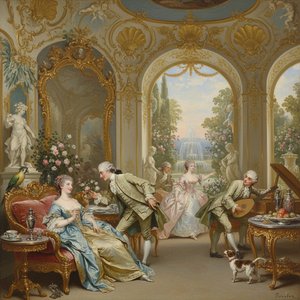
Pompeo Batoni's *Sensuality*, completed in 1747, is more than just a beautiful painting; it’s a meticulously crafted window into the opulent world of 18th-century Italy. This oil on canvas masterpiece, currently residing within the esteemed Hermitage Museum in St. Petersburg, exemplifies Batoni’s unique artistic vision – a harmonious blend of Rococo grace and burgeoning Neoclassical ideals. Measuring 138 x 100 cm, the painting immediately captivates with its rich color palette dominated by earth tones and punctuated by the arresting crimson of the central figure's robe, creating an atmosphere of luxurious warmth that invites prolonged contemplation.
Artistic Style and Technical Brilliance
- Rococo Influence: Batoni’s style is deeply rooted in the Rococo movement, characterized by its emphasis on natural forms, asymmetrical compositions, and a delicate touch. Notice how the figures are not rigidly posed but rather imbued with a sense of relaxed elegance – a hallmark of the era.
- Neoclassical Undertones: Despite its Rococo foundations, *Sensuality* reveals Batoni’s nascent interest in Neoclassicism, particularly evident in the idealized portrayal of the female figure and the careful attention to classical motifs.
- Masterful Technique: Batoni's brushwork is remarkably smooth and controlled, creating a sense of depth and volume that draws the viewer into the scene. The use of sfumato – a subtle blurring of edges – adds to the painting’s ethereal quality, softening the forms and enhancing their beauty.
- Color Palette: The artist skillfully employs a limited yet impactful color palette, utilizing warm earth tones—ochre, sienna, and umber—to create a sense of warmth and intimacy, complemented by the vibrant red of the central figure’s robe and the shimmering gold accents that elevate the composition.
Symbolism and Narrative Depth
The painting's composition is deliberately asymmetrical, guiding the viewer's eye towards the central figure – a woman seated on a golden throne. This posture immediately conveys an aura of power, grace, and perhaps even divine authority. The surrounding figures, though less defined, contribute to the overall narrative, suggesting a scene of courtly intrigue or a mythological allegory. The small object held by the woman—likely a ring or jewel—adds another layer of symbolism, hinting at wealth, status, and possibly romantic entanglement. The inclusion of two other figures, one presenting a garment, adds an element of storytelling, perhaps representing service or the act of dressing.
Historical Context and Artistic Legacy
*Sensuality* was created during a period of significant artistic innovation in Italy, as artists sought to reconcile the grandeur of Baroque art with the emerging ideals of Neoclassicism. Pompeo Batoni himself was a pivotal figure in this transition, considered a precursor to the Neoclassical movement. His work reflects the tastes of the European aristocracy, who were increasingly drawn to classical themes and luxurious aesthetics. Batoni’s influence can be seen in the works of later artists such as Angelica Kauffman, further solidifying his place as a key figure in 18th-century art history.
This painting's journey from its creation to its current home within the Hermitage Museum speaks volumes about its enduring value and artistic significance. A hand-painted reproduction of *Sensuality* offers an unparalleled opportunity to experience this masterpiece firsthand, bringing a touch of timeless elegance and historical grandeur into any setting.
Pytania i odpowiedzi
Jaki rozmiar i orientacja są zalecane dla wydruku dzieła „Sensuality” – Pompeo Batoni?
Rozmiar Large, orientacja Portrait: to sugerowane parametry druku dla dzieła „Sensuality” – Pompeo Batoni.
Czy w „Sensuality” – Pompeo Batoni zastosowano silne kontrasty czy raczej łagodne harmonie?
Analiza kolorystyczna dzieła „Sensuality” – Pompeo Batoni ukazuje Gentle kontrast oraz Strong Color Unity harmonię.
Czy dzieło "Sensuality" posiada podgląd w rozszerzonej rzeczywistości?
„Sensuality” posiada podgląd w rozszerzonej rzeczywistości: strona Podgląd w AR pozwala zobaczyć dzieło w Twojej własnej przestrzeni na kompatybilnym urządzeniu.
Podobne dzieła


Biografia artysty
Wczesne lata i kształcenie
- Urodzony: Lucca, Włochy (1708)
- Zmarł: 1787
- Pompeo Batoni przeprowadził się do Rzymu w 1727 roku.
- Praktykował pod okiem Agostino Masucciego, Sebastiano Conca oraz Francesco Imperialiego.
- Jego pierwsze niezależne zlecenie pojawiło się w wyniku ulewnych deszczy, które nawiedziły Rzym w kwietniu 1732 roku.
- Obraz „Ekstaza świętej Katarzyny ze Sieny” ilustruje jego akademickie wyrafinowanie późnobarokowego stylu.
Styl artystyczny i wpływy
- Styl Batoniego czerpał inspirację z antyku, francuskiego rokoka, bolońskiego klasycyzmu oraz twórczości takich artystów jak Nicolas Poussin, Claude Lorrain, a w szczególności Rafael.
- Uznaje się go za prekursora klasycyzmu.
- Jego dzieła można odnaleźć w różnych muzeach, w tym w Pinacoteca di Brera w Mediolanie we Włoszech.
Wyróżniające się dzieła i zlecenia
- Dziewica z Dzieciątkiem i świętymi
- Rycerz w Rzymie: Charles Cecil Roberts – słynny portret brytyjskiego podróżnika, osadzony na tle rzymskich ruin.
- Triumf Wenecji
- Liczne ołtarze dla kościołów we Włoszech, takich jak Duomo w Sienie.
- Cieszył się ogromnym popytem na portrety, szczególnie wśród brytyjskich podróżnych odbywających Grand Tour, którzy zamawiali portrety pełnej postaci na tle antycznych scenerii.
Rozwój i znaczenie historyczne
- Batoni stał się niezwykle modnym malarzem w Rzymie po tym, jak jego rywal, Anton Raphael Mengs, wyjechał do Hiszpanii w 1761 roku.
- Zaprzyjaźnił się z Winckelmannem i dążył do powściągnięcia klasycyzmu w swoim malarstwie.
- Jego portrety oddawały ducha epoki Grand Tour, odzwierciedlając fascynację antykiem wśród europejskich elit.
- Zdolność Batoniego do łączenia technik barokowych z rodzącymi się ideałami neoklasycyzmu pozycjonowała go jako postać przejściową w historii sztuki włoskiej.
Dziedzictwo
- Pompeo Batoni zmarł 4 lutego 1787 roku w Rzymie.
- Pozostawił po sobie dziedzictwo jednego z najsłynniejszych włoskich malarzy swoich czasów.
- Jego twórczość nadal budzi podziw ze względu na kunszt techniczny, eleganckie kompozycje oraz przenikliwe portretowanie jednostek w ich kontekście historycznym.

Pompeo Batoni
1708 - 1787 , Włochy
Krótka nota
- Artistic Movement Or Style: Neoklasycyzm
- Artists Who Influenced This Artist:
- Nicolas Poussin
- Claude Lorrain
- Rafael
- Date Of Birth: 1708
- Date Of Death: 1787
- Full Name: Pompeo Batoni
- Nationality: Włoska
- Notable Artworks:
- Dziewica z Dzieciątkiem ze świętymi
- Rycerz w Rzymie
- Triumf Wenecji
- Place Of Birth (City And Country): Lukka, Włochy
Powiązane artykuły

The Enduring Legacy of Fine Art Prints: Technique, History & Aesthetic Impact
Explore the rich history & techniques of fine art prints. Discover investment potential, assess authenticity, and learn how to preserve your collection with expert guidance. Trusted insights for discerning collectors.
Rokokowy przepych: Bunt i rozkosz w sztuce XVIII wieku
Poznaj fascynujący świat rokoka – stylu pełnego wdzięku i przepychu! Odkryj historię, charakterystykę oraz wpływ tego nurtu na sztukę XVIII wieku. Ekspercka analiza i inspiracje dla miłośników historii sztuki.

Echoes of Time: Exploring the Enduring Appeal & Historical Context of Vintage Art Prints
Explore the captivating world of vintage art prints! Discover their history, collecting tips & enduring appeal. Expert insights on chromolithography and building a legacy collection with AllPaintingsStore.

Odbitki Giclée: Jakość Archiwalna i Estetyczne Niuanse dla Wymagającego Kolekcjonera
Poznaj sekrety druku giclée – technologii zapewniającej najwyższą jakość reprodukcji sztuki i trwałość archiwalaną. Poradnik dla wymagających kolekcjonerów o wyborze papieru, tuszy i profilach kolorystycznych.

Top 10 arcydzieł epoki rokoka: artyści, historia i dekoracje wnętrz | AllPaintingsStore.com
Odkryj 10 arcydzieł epoki rokoka! Poznaj Watteau, Boucher’a i Fragonarda – artystów, którzy zdefiniowali ten styl. Inspiracje wnętrzarskie, pastelowe kolory i reprodukcje obrazów najwyższej jakości na AllPaintingsStore.com. Eksploruj kolekcję online!


