


 Podgląd w skali 1:1
 Wyślij jako kartkę
 Udostępnij
 Szczegóły dzieła
 Przewodnik

 Pobierz obraz
 Podobne obiekty
 RTG
RTG Pokaz slajdów
 Pytania i odpowiedzi
 Statystyki
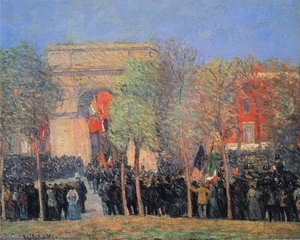
Funeral Procesja


 Rozwiń treść
Otrzymaj plik gotowy do druku, którego jakość znacznie przewyższa podgląd internetowy. Każdy sprzedawany przez nas obraz cyfrowy pochodzi z wysokorozdzielczego pliku wzorcowego w naszej bazie — zazwyczaj o szerokości od 5 000 do 15 000 pikseli — dzięki czemu możesz drukować w dużym formacie, mocno kadrować lub z pełnym przekonaniem odwzorowywać najdrobniejsze detale.
Żaden plik nie opuszcza naszego studia bez odpowiedniej obróbki. Ekspert ds. cyfrowej edycji sprawdza zgodność kolorów z oryginałem i w razie potrzeby je koryguje, a następnie za pomocą profesjonalnych narzędzi do retuszu poprawia ostrość oraz szczegółowość — zawsze zachowując wierność pociągnięciom pędzla i stylowi artysty. Rezultatem jest obraz, który wygląda jak prawdziwe dzieło, a nie jak przefiltrowany skan.
Zatwierdzasz przed finalizacją zamówienia: nasz ekspert prześle obraz drogą mailową w ciągu 72 godzin do Twojego wglądu. Nie jesteś zadowolony? Poproś o poprawki lub korektę, bądź o zwrot kosztów, jeśli jakość nie spełnia oczekiwań.
To jakość, na której polegają wydawcy, studia projektowe, galerie oraz drukarnie.
Obraz cyfrowy
Pobierz plik o wysokiej rozdzielczości do osobistego użytku, druku oraz projektów kreatywnych. ( Przełącz na wydania drukowane Zamów ręcznie malowaną reprodukcję)
W każdym zamówieniu na obraz cyfrowy znajduje się
Profesjonalna dostawa cyfrowa z gwarancją
Wybierając AllPaintingsStore.com, nie otrzymujesz jedynie obrazu – otrzymujesz profesjonalnie udoskonalone cyfrowe dzieło sztuki, stworzone z najwyższą precyzją i objęte gwarancją satysfakcji. Oto wszystko, co automatycznie dołączane jest do Twojego zamówienia:

Błyskawiczna wysyłka e-mailowa
Plik z obrazem cyfrowym w wysokiej rozdzielczości zostanie przesłany na Twój adres e-mail w ciągu 72 godzin od złożenia zamówienia – gotowy do natychmiastowego użycia.

Plik cyfrowy wzbogacony przez AI
Twoja grafika została profesjonalnie zoptymalizowana przy użyciu zaawansowanych narzędzi AI oraz ręcznej edycji, co zapewnia maksymalną szczegółowość, klarowność i wierność kolorów.

Darmowe ponowne przesyłki dożywotnio
Przypadkowo usunąłeś lub zgubiłeś swój plik? Bez obaw – prześlemy go Tobie ponownie w dowolnym momencie, bez żadnych opłat.

Bez opłat importowych – zawsze
Ciesz się swoją sztuką natychmiast, bez żadnych opłat celnych, należności ani kosztów dostawy – pliki cyfrowe są zawsze wolne od podatku.

Gwarancja wierności kolorów
Dzięki zastosowaniu profesjonalnych narzędzi i procesów zarządzania barwą zapewniamy, że Twoje cyfrowe zdjęcie odzwierciedla oryginalne kolory tak wiernie, jak to tylko możliwe.

Gwarancja satysfakcji przez 100 dni
Jeśli nie będziesz zadowolony ze swojego cyfrowego obrazu, dokonamy jego poprawki lub zwrócimy 100% kosztów w ciągu 100 dni – bez zbędnych pytań.

100% Gwarancja zwrotu pieniędzy
Nie jesteś zadowolony? Otrzymaj pełny zwrot kosztów w ciągu 100 dni od otrzymania pliku cyfrowego – bez zbędnych pytań.

Rabaty przy zamówieniach hurtowych
Kup 3 obrazy, oszczędź 10% - Kup 5, oszczędź 15% - Kup 10+, oszczędź 20%. Idealne do projektów kreatywnych, galerii i agencji.
A Window Into Overtown’s Soul: Examining Purvis Young's “Funeral Procession”
Purvis Young’s “Funeral Procession,” created in 1992, isn’t merely a depiction of a procession; it’s an embodiment of Miami’s historic Overtown neighborhood—a testament to resilience forged amidst hardship and imbued with the palpable spirit of Black American experience. This striking collage and painting transcends simple representation, inviting viewers into a layered narrative that speaks volumes about identity, memory, and the transformative power of observation. Young's artistic journey began not in formal studios but on the streets where he resided, cementing his connection to the community he sought to capture with unwavering dedication.- Subject Matter: The artwork centers around a procession—likely commemorating a funeral—flowing through an urban landscape dominated by boats and figures. This imagery immediately evokes themes of mourning, remembrance, and the cyclical nature of life and death, central concerns within African American culture and history.
Historical Context: Overtown’s Legacy & Young's Artistic Rebellion
Overtown, established in 1895 as a segregated enclave for Black residents fleeing Jim Crow laws, served as a crucible for artistic expression during the mid-century period. Purvis Young’s work reflects this environment—a place where creativity flourished despite systemic oppression. His refusal to adhere to academic standards mirrored the spirit of Overtown itself: resourceful, defiant, and deeply rooted in lived experience. The painting captures not just a visual scene but also the emotional weight of history, reminding us of struggles endured and triumphs achieved.Style & Technique: Collage as Narrative Device
Young’s distinctive style is defined by its raw materiality and textural complexity—a deliberate departure from conventional artistic practices. Constructed primarily from repurposed books, cardboard, and other found objects—a conscious rejection of polished aesthetics—the collage achieves an astonishing level of detail despite its humble origins. The artist skillfully employs bold ink washes and layering techniques to build up surfaces that shimmer with color and convey a sense of immediacy. This method isn’t simply about assembling materials; it's about translating experience onto canvas, mirroring the very essence of Overtown’s vibrant spirit.Symbolism & Visual Language: Boats as Journeys
The boats themselves hold profound symbolic resonance within “Funeral Procession.” They represent journeys—both literal and metaphorical—serving as visual metaphors for transitions into eternity or perhaps even a yearning for liberation from societal constraints. The scattered figures contribute to the artwork’s dynamic composition, conveying movement and suggesting an ongoing dialogue between individuals and their surroundings. Young's masterful use of color – vibrant hues juxtaposed against muted tones – amplifies these symbolic layers, creating an emotional landscape that resonates with deep contemplation on themes of grief, remembrance, and the importance of preserving cultural heritage.Emotional Impact & Artistic Resonance: Resilience Captured in Texture
“Funeral Procession” isn’t intended to elicit comfort; rather, it confronts viewers with the realities of loss and hardship while simultaneously celebrating the enduring strength of community spirit. Young's ability to distill complex emotions into visual form is remarkable—a testament to his artistic vision and a profound reflection on the human condition. It stands as an inspiring example of how art can emerge from adversity—a powerful reminder that beauty can be found even in the darkest corners of experience, capturing the indelible mark of resilience within Miami’s cultural landscape.Pytania i odpowiedzi
Co przedstawia "Funeral Procesja" i jaką ma atmosferę?
"Funeral Procesja" przedstawia miami landscape, african heritage, boat imagery, collage technique, urban resilience, biblical symbolism, found object art, texture exploration, a jego nastrojowy charakter można określić jako Dramatyczny.
Jak intensywne są kolory w „Funeral Procesja” – Purvis Young?
Kolory w „Funeral Procesja” – Purvis Young charakteryzują się Zrównoważony intensywnością.
Kiedy i z jakich materiałów wykonano "Funeral Procesja"?
"Funeral Procesja" powstało w 1992 roku przy użyciu Akryl na płótnie.
Podobne dzieła




Biografia artysty
A Life Forged in Overtown: The Story of Purvis Young
Purvis Young’s art wasn't born in a studio, but on the streets of Miami’s Overtown neighborhood—a place he didn’t just depict, but *lived* and breathed. Born in Liberty City in 1943, Young’s journey was one of self-discovery fueled by hardship, observation, and an unwavering dedication to translating the soul of his community onto any surface he could find. He wasn't formally trained; his education came from immersing himself in art books during a period of incarceration, and then through relentless study at Miami’s public libraries. This autodidacticism became central to his artistic identity—a refusal to conform to established norms, mirroring the resilience of Overtown itself. His early life was marked by challenges, including time spent in prison for breaking and entering, an experience that profoundly shaped his worldview and ultimately ignited a creative fire within him. Upon release, he didn’t seek out galleries or mentors; instead, he turned inward, finding inspiration in the decaying beauty and vibrant humanity surrounding him.The Alchemy of Found Objects
Young's artistic process was as unique as his vision. He wasn’t interested in pristine canvases or expensive materials. Instead, he scavenged Overtown—a neighborhood undergoing dramatic change and decline—for discarded wood, scrap metal, old books, fragments of wallpaper, and anything else that caught his eye. These weren’t simply *materials*; they were the very essence of the community he sought to represent. He transformed these castoffs into powerful assemblages, layering drawings, paintings, and text in a chaotic yet strangely harmonious manner. This technique wasn't merely about resourcefulness; it was a deliberate act of reclamation—giving voice to the forgotten and overlooked. His work often features recurring motifs: horses symbolizing freedom, angels representing spirituality, and fragmented figures engaged in ritualistic acts, all rendered with an expressive rawness that conveys both despair and hope. The surfaces are textured, layered, and often distressed, mirroring the physical and emotional landscape of Overtown. He didn’t just paint *about* the neighborhood; he painted *with* it, incorporating its very fabric into his art.Echoes of Influence and a Singular Voice
While largely self-taught, Young wasn't entirely isolated from artistic currents. The mural movement of the 1960s resonated with him, inspiring him to create large-scale works directly within Overtown—transforming dilapidated walls into vibrant canvases that documented the lives and struggles of its residents. He absorbed influences from a wide range of sources, evident in his eclectic style, yet he never imitated. His work possesses a distinct aesthetic—a raw energy, a chaotic beauty, and a poignant social commentary that sets him apart. Some critics have noted echoes of Expressionism and Surrealism in his imagery, but these are filtered through the unique lens of his personal experience and cultural context. He wasn’t interested in replicating existing styles; he was intent on forging his own visual language—one that could capture the complexities of urban life and the resilience of the human spirit.A Chronicle of a Community
Purvis Young's significance extends far beyond aesthetics. His work serves as an invaluable historical document, preserving the memory of Overtown during a period of profound transformation and social upheaval. He captured the essence of a community facing displacement, poverty, and systemic injustice—giving voice to those who were often marginalized and ignored. His art is a powerful commentary on the African American experience in the South, exploring themes of resilience, spirituality, and the enduring search for dignity. Moreover, his success as a self-taught artist challenges conventional notions of artistic training, demonstrating that true creativity can flourish outside the confines of academia. He reminds us that art isn’t just about technical skill; it's about vision, passion, and the courage to tell your story—even when that story is difficult or uncomfortable.Recognition and Lasting Legacy
For years, Young’s work circulated primarily within a devoted local following. Collectors like Jane Fonda, Damon Wayans, Jim Belushi, and Dan Aykroyd recognized the power and originality of his vision early on, providing crucial support during a time when mainstream art institutions largely overlooked him. The documentary Purvis of Overtown brought wider attention to his life and work, but it was ultimately the increasing recognition from museums and galleries that solidified his place in art history. Today, his paintings are held in prestigious collections worldwide, including the American Folk Art Museum, the Pérez Art Museum Miami, and the Smithsonian American Art Museum. In 2018, he was posthumously inducted into the Florida Artists Hall of Fame—a testament to his enduring impact on the state’s artistic heritage. His legacy continues to inspire artists and viewers alike, urging us to look beyond the surface and engage with the complexities of the world around us.
Purvis Young
1943 - 2010 , Stany Zjednoczone
Krótka nota
- Artistic Movement Or Style: Wyrażeniowiec społeczny
- Date Of Birth: 4 lutego 1943
- Date Of Death: 20 kwietnia 2010
- Full Name: Purvis Young
- Nationality: Amerykański
- Notable Artworks: ['Nierozpoznane obrazy']
- Place Of Birth: Liberty City, USA